Young Minds,
Greener Future

24 February 2026
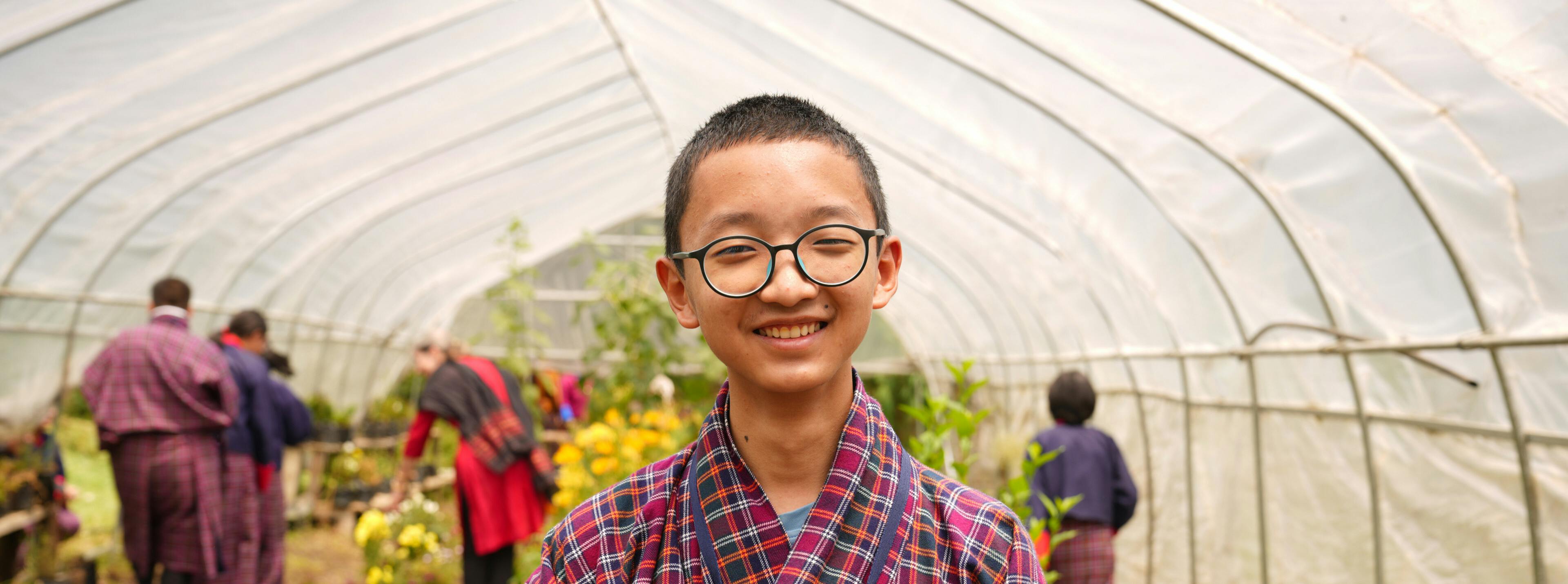
What happens when students take climate change into their own hands? Well these students in Bhutan are doing just that.
Take a look at the incredible solutions these students are creating to tackle climate change. This is what self-empowerment looks like.
From Classroom to Climate Action
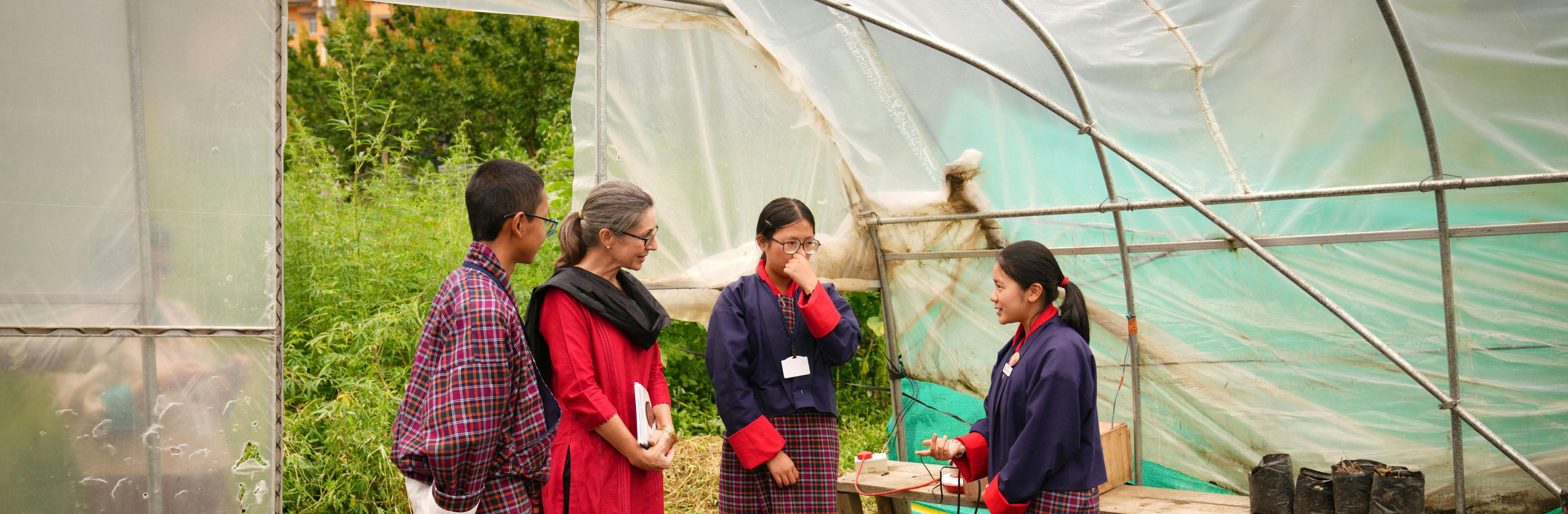
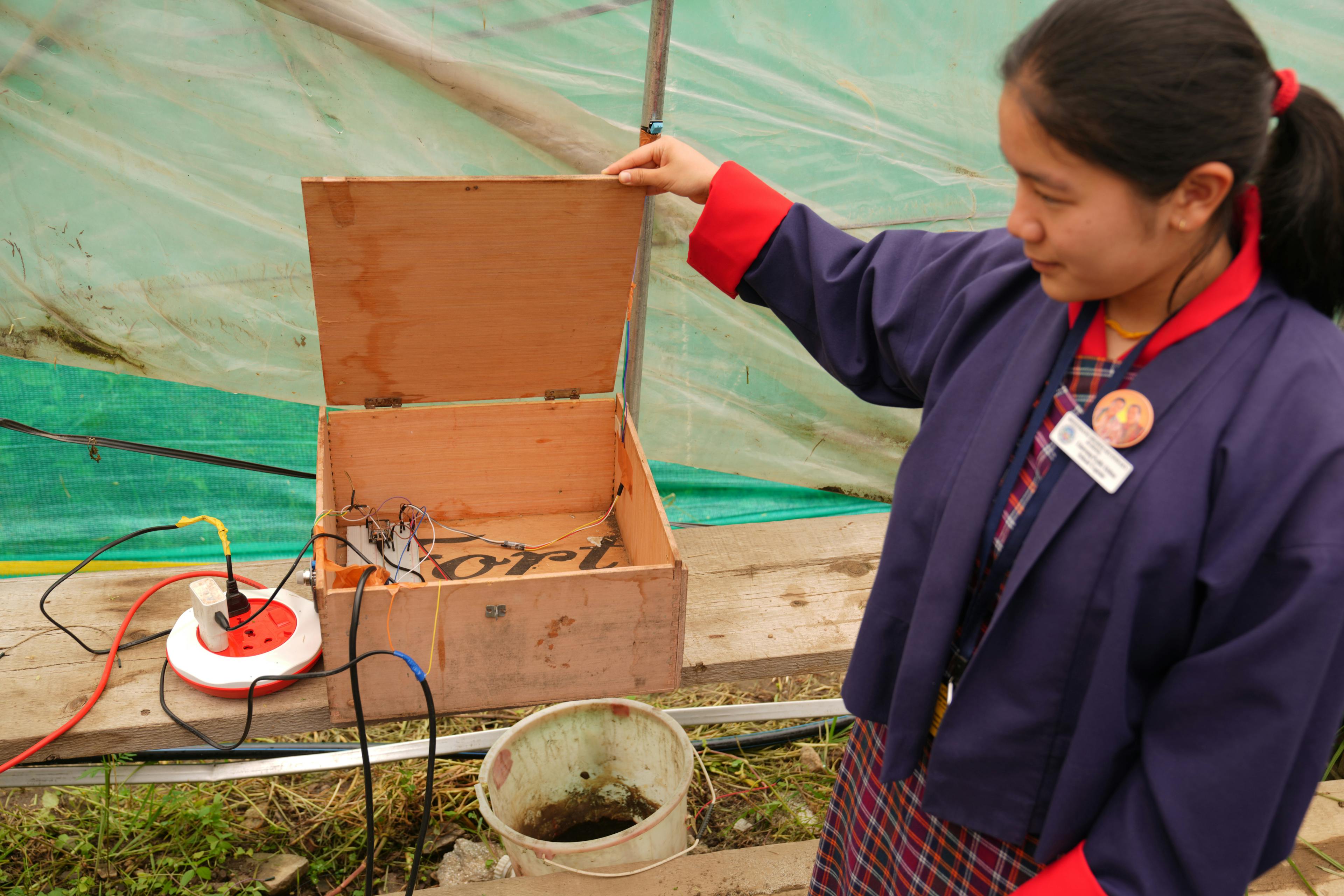
Pyelki Delma showcases the Smart Agriculture project in the school greenhouse.
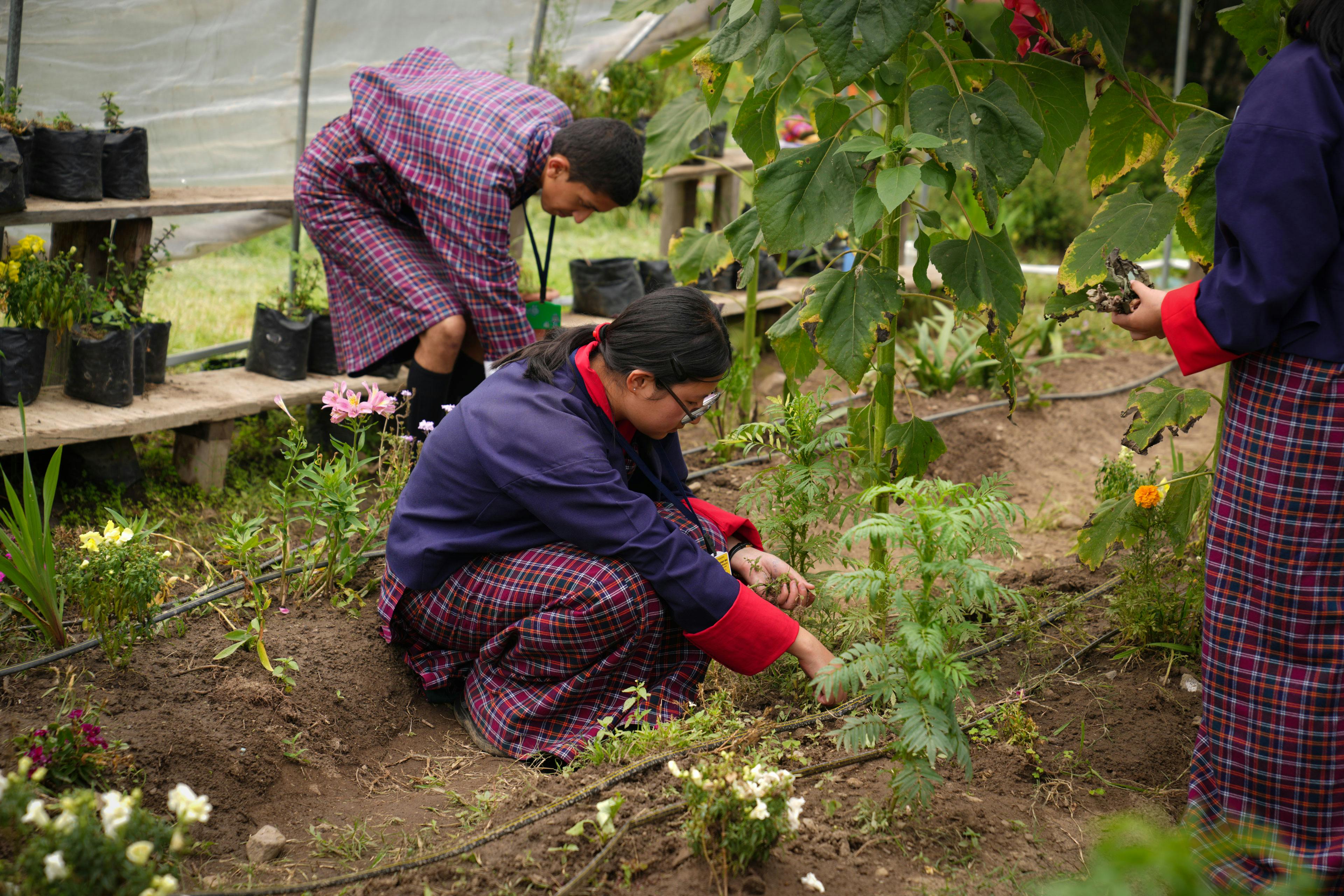
The students of Motithang Higher Secondary School developed a smart agriculture system, automating agriculture of plants and vegetables within the school's greenhouse.
This innovative system uses sensors to monitor plants, including temperature, humidity, and soil moisture levels. The data is processed to automatically dispense water so that nothing is wasted.
The students can then monitor this through a dedicated mobile app. It's truly an innovative process created by these amazing students.
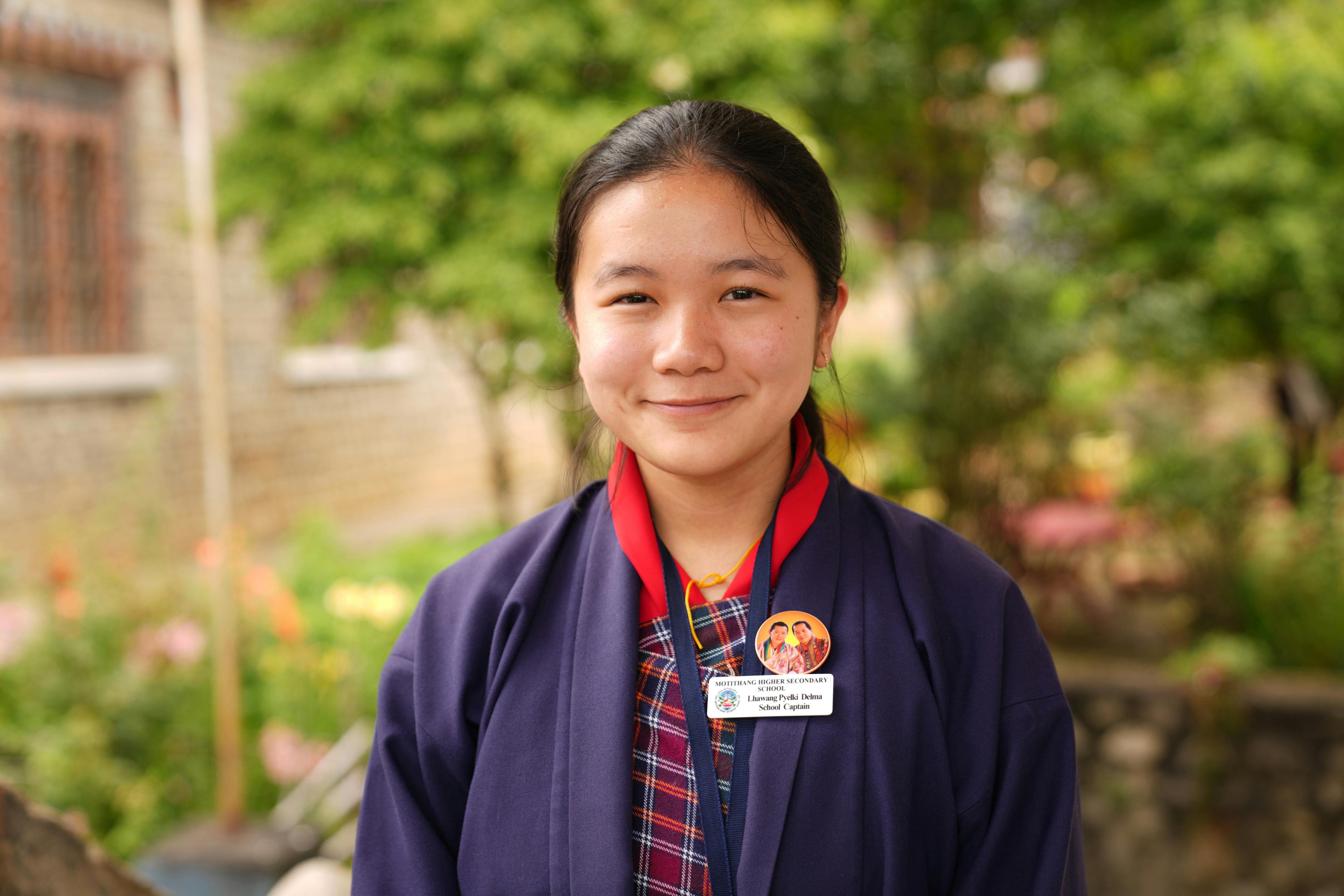
“We learn from each other and from our peers who went before us. We also learn from online courses, and our teachers.”
16-year-old Lhawang Pyelki Delma is the School Captain for Motithang Higher Secondary School. She has been part of the Smart Agriculture project in her school.
More Solutions, More Impact
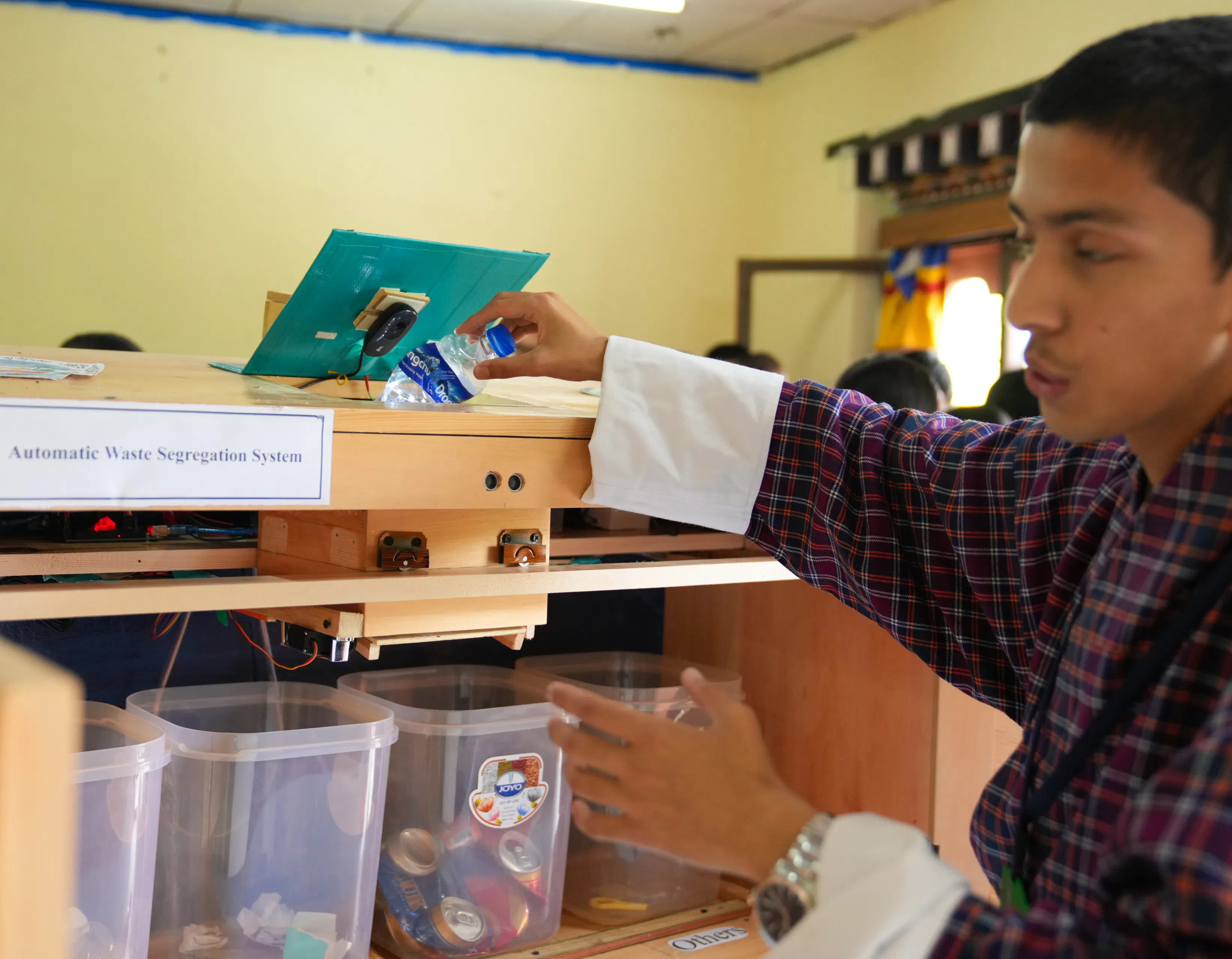
Automated Recycling
Prithivi Prithivi Raj Adhikari showcases the automated waste sorting system that was developed in Motithang Higher Secondary School.
A team of 11, led by Prithivi Raj Adhikari, developed a prototype for an automated waste segregation system.
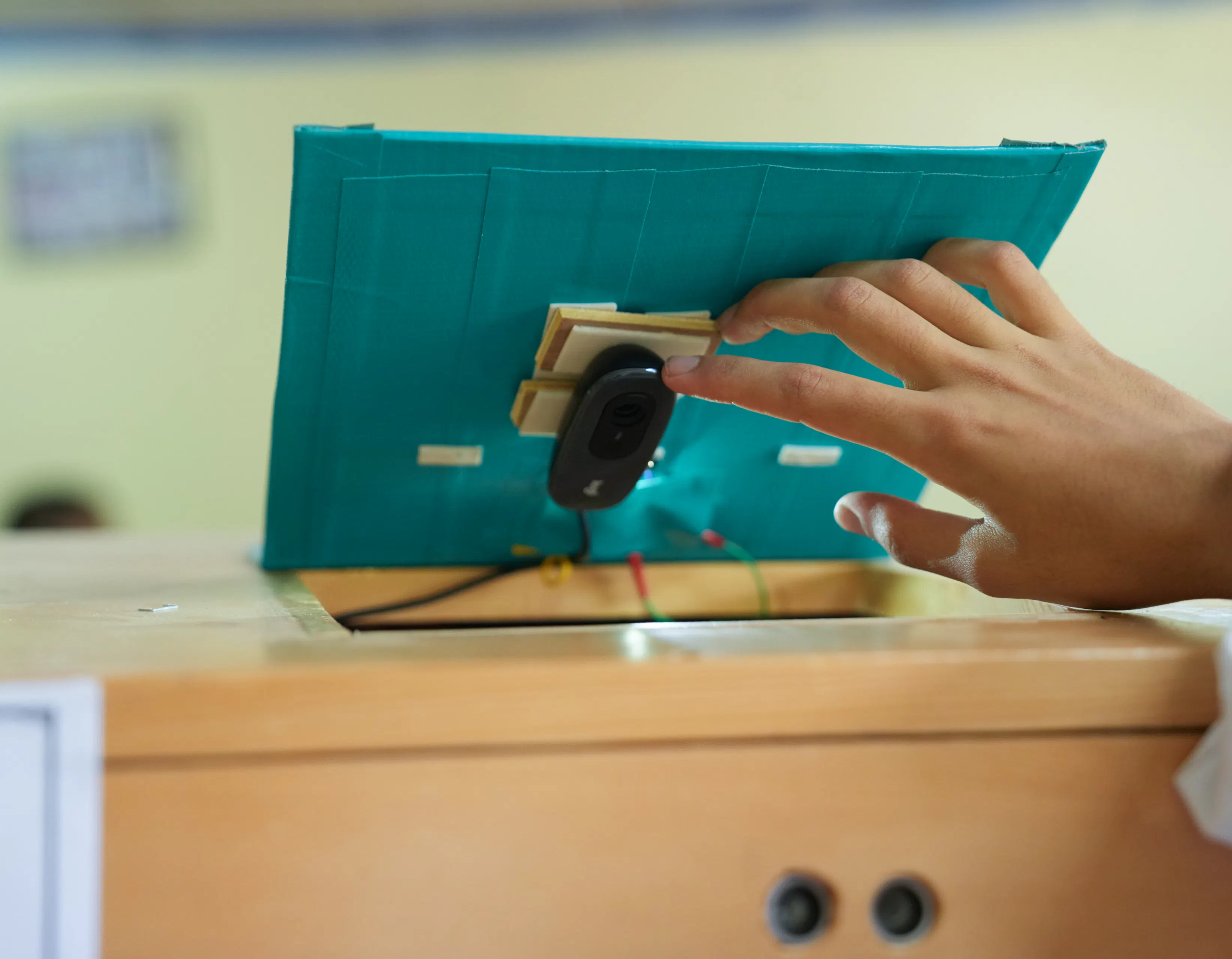
How Does It Work?
A camera is installed in the automated waste segregation system that takes photos of the garbage placed inside the collection container.
The system uses a motion sensor to open the waster container, a camera to photograph the waste, and a DIY computer to identify the item against a database of 3,000 images. A motor then sorts the waste into one of four containers for plastic, paper, metal, and other waste with a whopping 82% accuracy rate. The students can then monitor the waste fill levels through an app they also built.
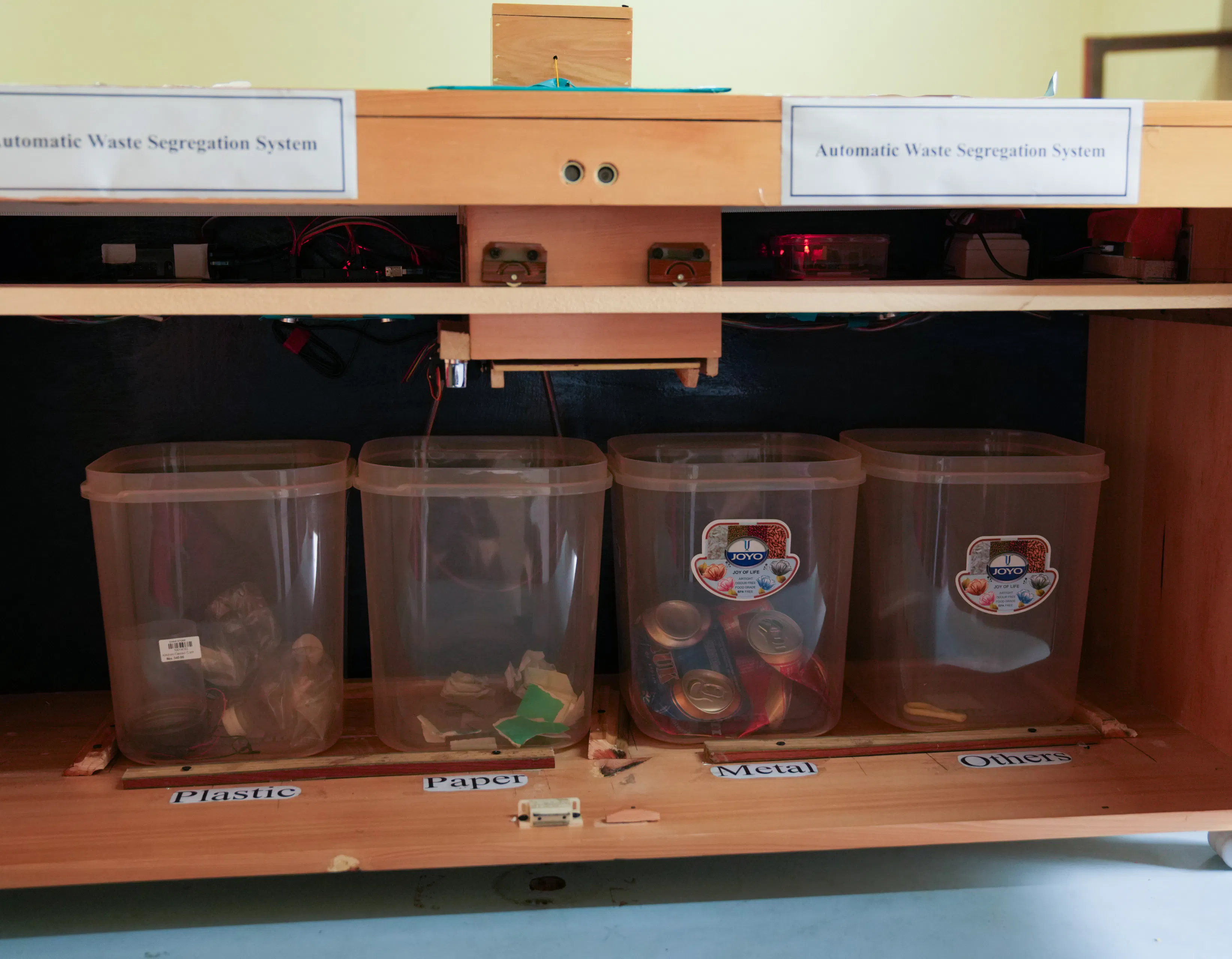
A Prized Solution
The project was completed in three months and took third place at the National Innovation Challenge. Incredible
Students are already looking at scaling up the build of the prototype where they believe they can reduce production costs by half. These students are a true inspiration!
Change, At Scale
This innovation is part of UNICEF's UPSHIFT program. The main objectives of this program was to engage young people and equip them with 21st century skills, also known as the "four Cs": critical thinking, communication, collaboration, and creativity. UNICEF and its partners are in discussions to expand UPSHIFT to all schools in Bhutan, aiming to engage more than 50,000 children, adolescents, and young people by 2028.