Supporting fathers,
supporting families

1 September 2026
Parenting is one of the most rewarding jobs in the world, but it's not always an easy one. Every child is different, every family faces its own challenges, and there’s no single manual for getting it right.
That’s why UNICEF works alongside parents and caregivers around the world, sharing practical knowledge and resources to help them support their children in the best way they can!
From nutrition and healthcare to education and mental wellbeing, locally led UNICEF programmes give families the tools and confidence to support their children through every stage of life.
In honour of fathers around the world, meet three dads who are learning, adapting and finding new ways to help their children grow, learn and thrive.
Starting strong with nutrition
For Salimo Iaquide, being a father of nine means there’s plenty to keep him busy. But each month, the 53-year-old farmer makes time to bring his youngest child, eight-month-old Nilza, to a UNICEF-supported health and nutrition session.
There isn't a clinic building in the remote community of Mihiriri, Mozambique. Instead, community health workers create a temporary outreach point with a table, chairs, weighing equipment and educational resources.
The sessions have given Salimo the confidence to play an active role in his daughter's health. He has learned how to monitor her growth, when to introduce new foods and the importance of keeping her vaccinations up to date.
“Both parents should participate in the lives and health of their children,” he says. “Fathers need to know these things too.”

UN0891350
Nurturing homes in Syria
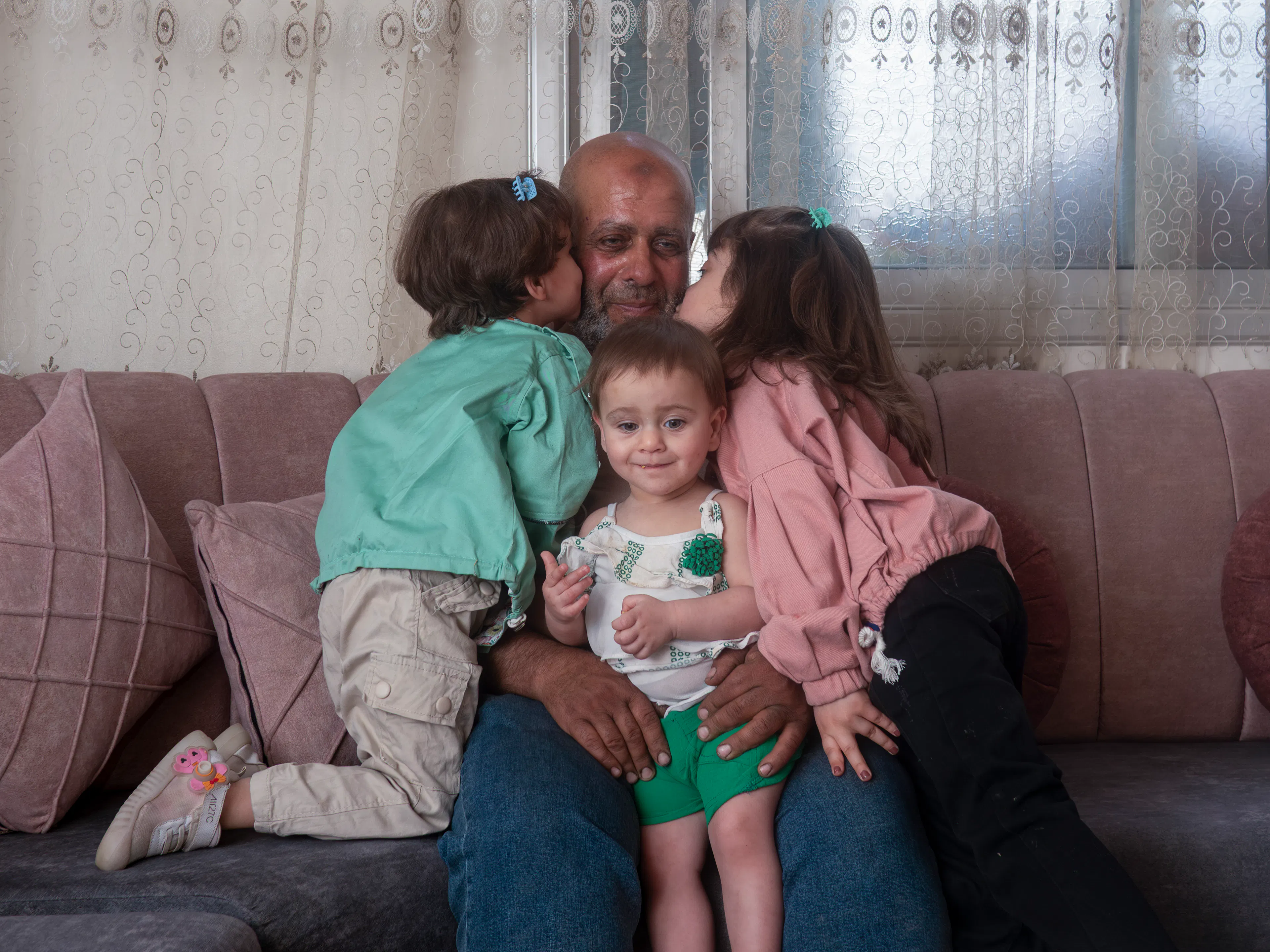
Abu Maher knows first-hand how difficult parenting can be. As a father of seven, he works long hours to provide for his family and started becoming short-tempered at home. He believed strict rules were the best way to earn his children’s respect.
Then he joined Sanadi, a UNICEF-supported mental health and psychosocial support programme for parents. Through the sessions, Abu Maher learned about positive discipline, managing stress and anger, and the importance of connecting emotionally with his children.
The changes at home were significant. Instead of strict rules, Abu describes a home full of laughter and play. He now brings his children small treats after work and makes time to enjoy their company.
“I realised that being a father isn’t just about providing food and shelter – it's about love, support and listening” he says.
Since 2024, UNICEF-supported programmes have reached more than 52,000 caregivers across Syria with parenting skills and psychosocial support.
UNI816027
Learning together in North Macedonia
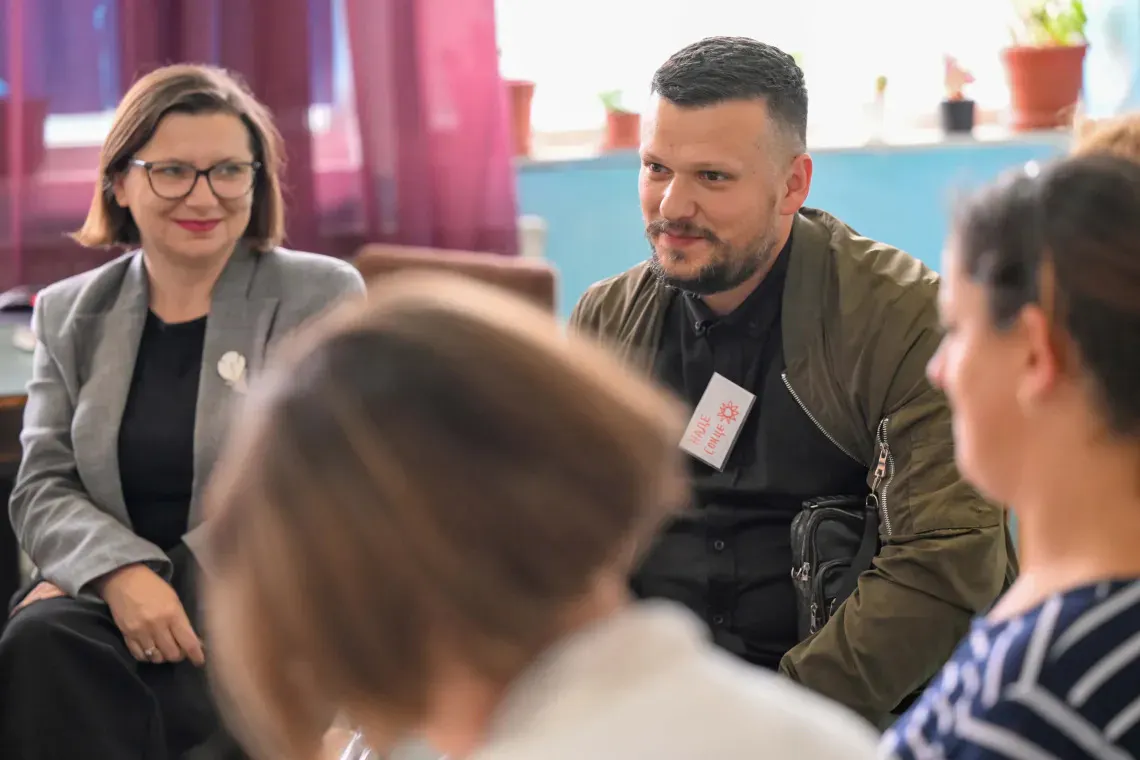
At a primary school in Bitola, North Macedonia, the classrooms reopened one evening a week – but this time, the students were parents.
Over six weeks, mothers and fathers took part in a UNICEF-supported parenting programme designed to help them build stronger relationships with their children. Instead of just listening to advice, parents practised techniques they could try at home, from giving clear instructions and praising positive behaviour to spending focused one-on-one time with their children.
The small changes began to add up. Parents reported fewer conflicts, better communication and improvements in their children’s behaviour. One mother found that spending time playing with her children meant they were less interested in their phones. Another parent discovered that a little one-on-one time before homework helped her son settle down and concentrate.
For father Vladimir, the programme was something he and his wife could experience together. After each session, they shared what they had learned and worked out how to put it into practice at home.
UNICEF North Macedonia / Georgiev / 2026
Supporting parents = supporting children
Sometimes, having the right support can make all the difference – whether that means learning how to provide the right nutrition, finding new ways to manage stress, or discovering that a few minutes of play can strengthen a bond.
These stories show that supporting children means supporting the people around them, too. By working with parents, caregivers and communities, UNICEF helps create the support systems children need to get the best possible start in life.