FIANZ Support
for War-Injured Children

3 July 2026
In December 2024, FIANZ contributed NZ$274,000 in funding to support prosthetics services for children affected by conflict in Gaza, Palestine and the Middle East and North Africa Region.
Thanks to this support, children who have lost their limbs due to conflict can access specialised care tailored to their individual needs. From surgery and rehabilitation to ongoing support, every child receives care that helps them regain mobility, confidence and hope for the future.
What’s the progress so far?
Children injured by conflict are already beginning their journey towards recovery! Through UNICEF Lebanon, 12 children are receiving specialised care, with each child following a treatment designed specifically for them. Some are recovering from surgery, while others are taking the next step by being fitted with a prosthetic limb or have already received one.
How do child prosthetics work?
There is no single path to recovery for a child receiving a prosthesis.
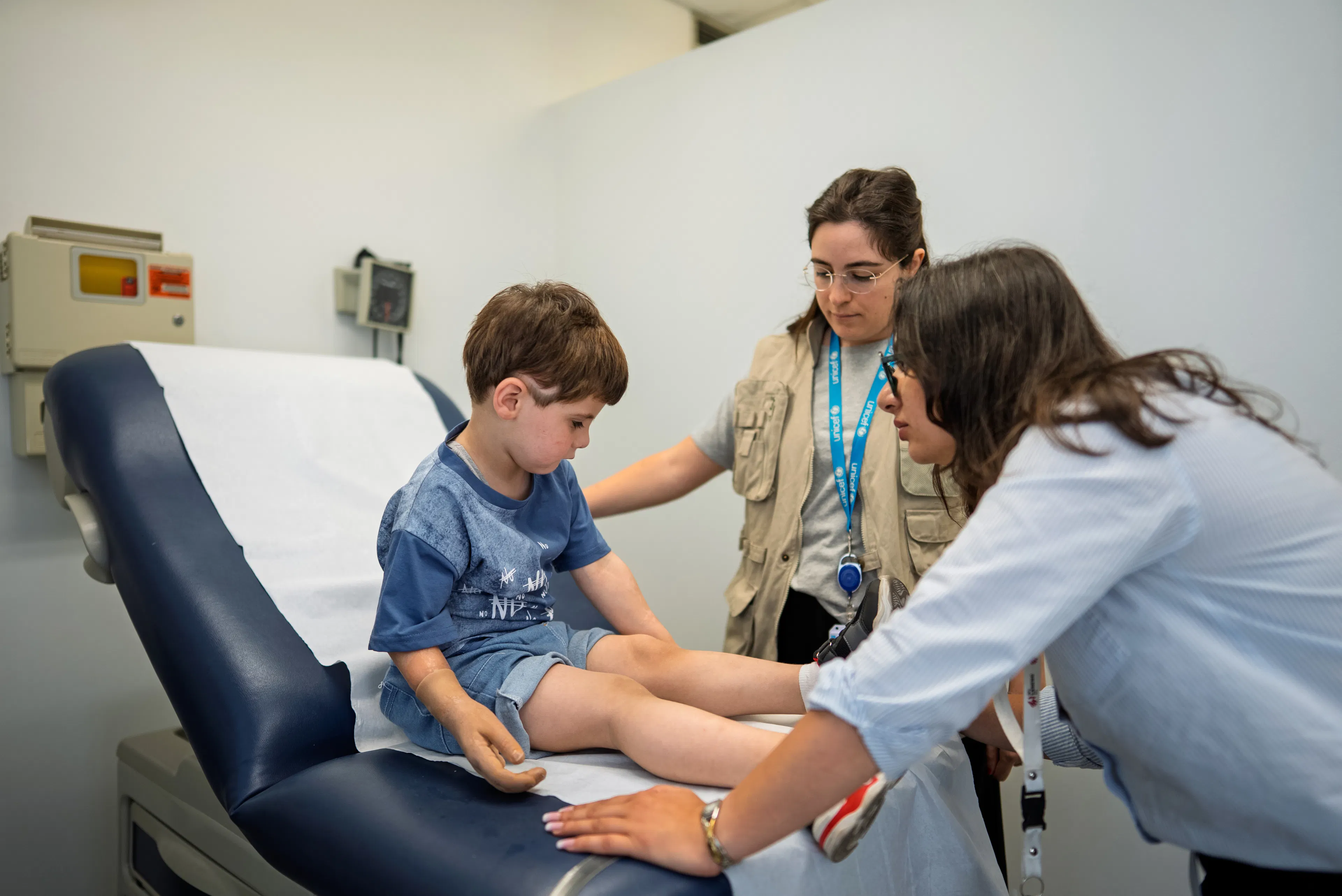
Each journey is unique, combining medical treatment with mental health and psychosocial support as children rebuild their lives. Recovery is shaped by many factors, including the type of injury, age, family situation and level of trauma.
Children typically need a new prosthesis every six months as they grow and develop. Regular check-ups with a prosthetist help ensure the prosthesis remains comfortable, safe and functional.
This report details how UNICEF is helping children with life-changing injuries access the rehabilitation and mobility support they need.
Ali’s Journey to Recovery
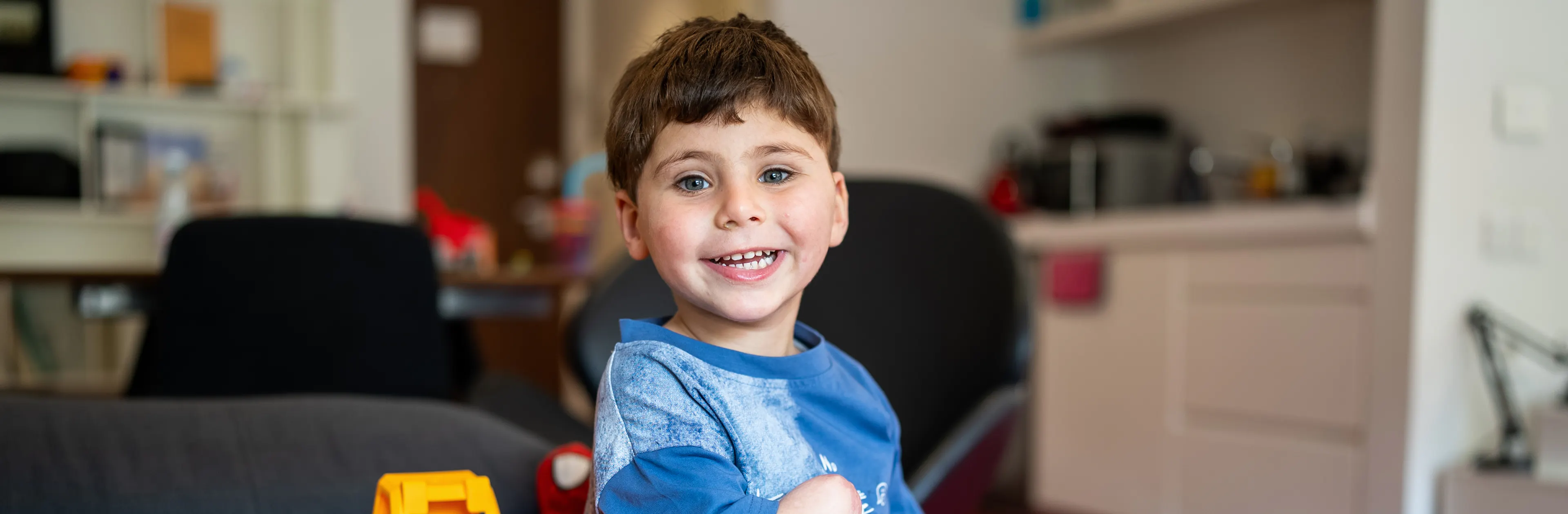
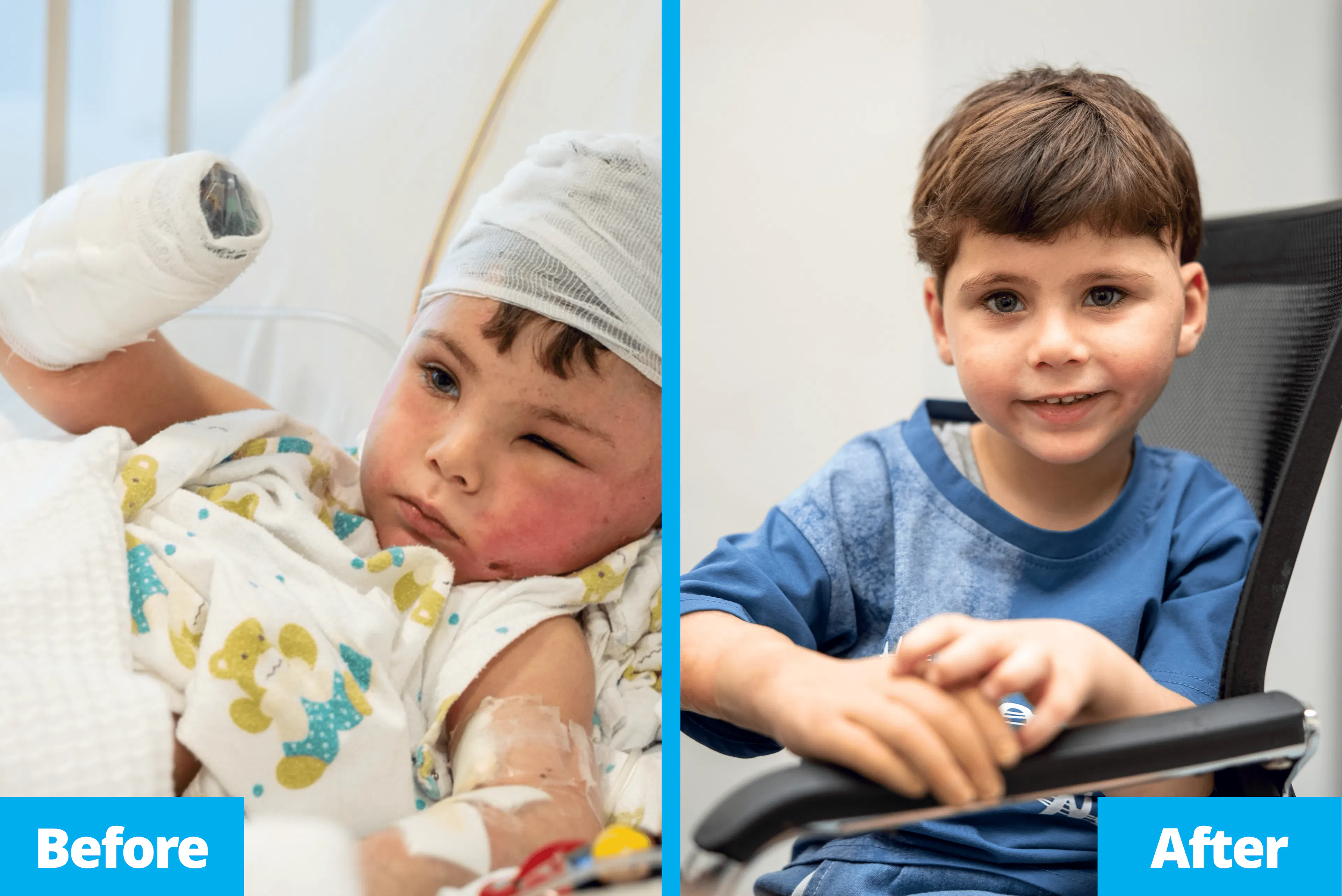
3-year-old Ali survived 14 hours under the rubble after his home collapsed during an airstrike, which resulted in the loss of his hand. Ali lost both of his parents and now lives with his aunt near the American University Hospital in Beirut.
He is receiving ongoing rehabilitation and psychosocial support and is preparing to be fitted with a prosthetic device to help him regain mobility. Ali’s rehabilitation is carefully phased, with more advanced prosthetics being introduced step-by-step.
As his recovery progresses, Ali will be provided with the following support:
• Cosmetic prosthetic fitting
• Occupational therapy
• Physical rehabilitation
• Prosthetic acceptance training
What's next for Ali?
Ali continues to receive occupational and physical therapy with close progress monitoring. After six to nine months of rehabilitation and training, he is expected to move towards a myoelectric prosthetic fitting.
A myoelectric prosthetic fitting is when a prosthetic limb is designed to respond to the child’s own muscle signals. This means the prosthetic can “read” small movements in the muscles of the remaining limb and use those signals to help the artificial hand or arm move—such as opening or closing a hand.
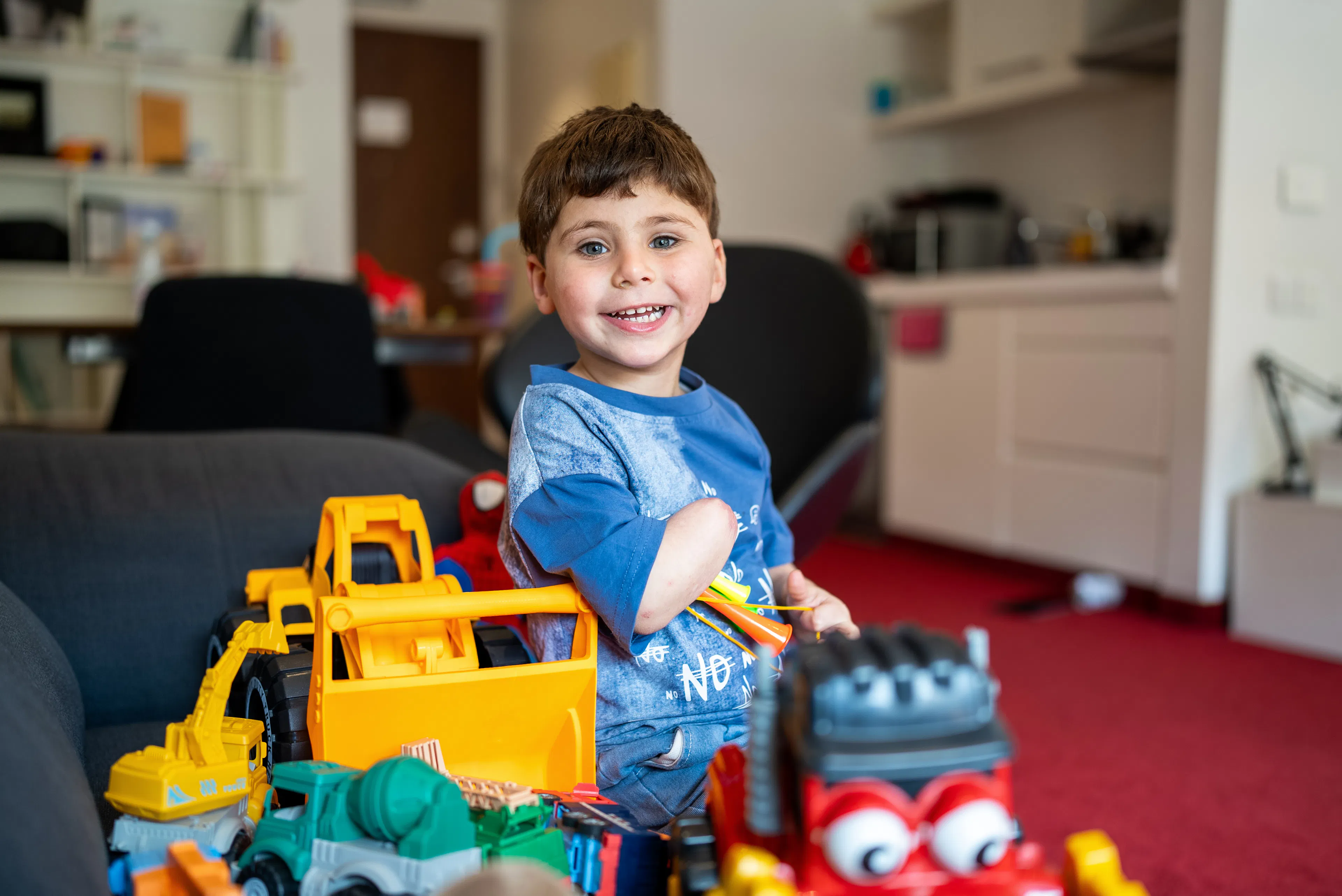
With support from UNICEF, Ali continues to receive regular medical care and follow-up as he adapts to life after his injury. This support is helping him build strength, confidence and a sense of independence as he grows.
With the additional support from FIANZ, services for children requiring long-term care will be sustained through the ACWA Programme until September 2026.