FIANZ Support for
War-Injured Children

Every child deserves the chance to play, learn and simply be a child. But for children affected by conflict in Gaza, life-changing injuries can make even everyday activities a challenge.
In December 2024, FIANZ contributed NZ$274,000 to help children across Palestine and the wider Middle East and North Africa region receive specialised prosthetics and rehabilitation services. This vital contribution is helping children get tailored care, customised prosthetic devices and the ongoing support they need to rebuild their mobility and regain their independence.
The impact so far
With the support of Federation of Islamic Associations of New Zealand, children with complex upper limb, lower limb, partial foot, finger, and partial hand amputations have been able to access prosthetic and orthotic interventions, physiotherapy, follow-up adjustments, and preparation for future fittings.
The FIANZ funding has also helped provide printing materials and supplies needed to produce 3D-printed prosthetic and orthotic devices tailored to children's unique rehabilitation needs.
Because of their support, 40 children have received prosthetic and orthotic services, and 60 customised 3D-printed prosthetic and orthotic devices have been produced and fitted in Palestine so far this year.
Most of the children receiving these services had congenital lower-limb amputations, while two received prosthetic services following conflict-related injuries. For these children, a well-fitted device can make everyday activities easier, from moving around more comfortably to participating in school, playing with friends and doing the things they love.
Helping children live life to the fullest
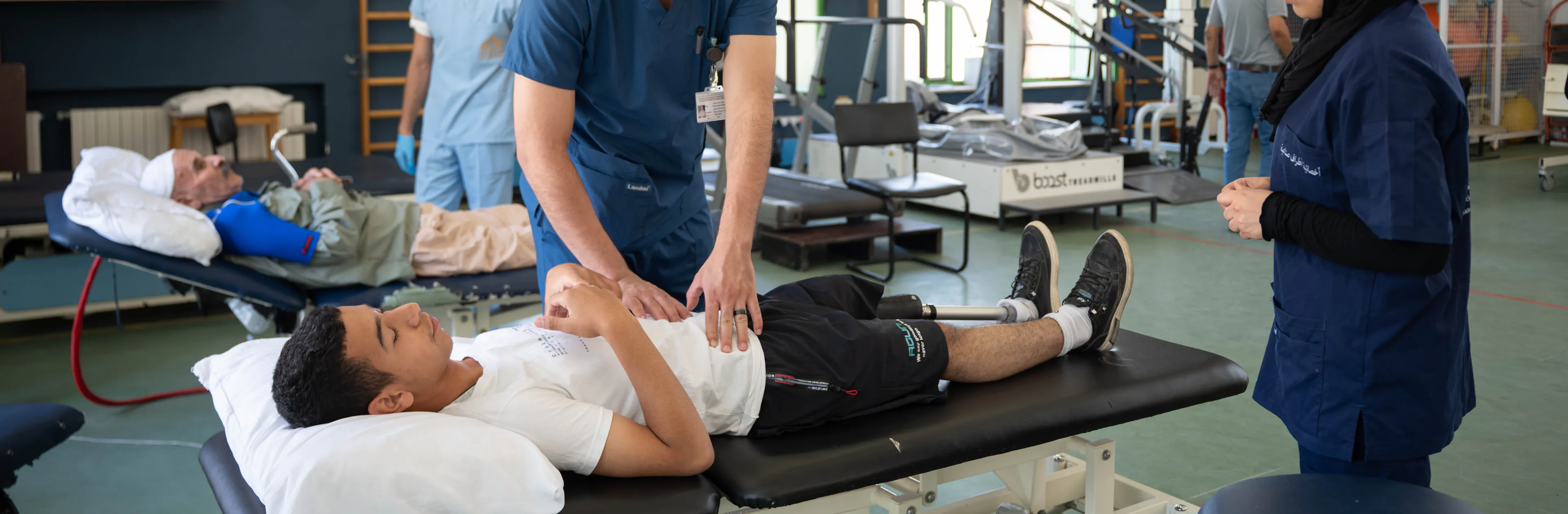
At the Bethlehem Arab Society for Rehabilitation, UNICEF-supported health and rehabilitation services are helping children with disabilities access specialised care, mobility aids and advanced prosthetic technologies.
Every child’s needs are different. A prosthetic device must be carefully assessed, fitted and adjusted as a child grows, while rehabilitation helps them learn how to use it safely and confidently. Ongoing care is essential to ensure children have the right support at every stage of their development.
Yazan’s journey back to football
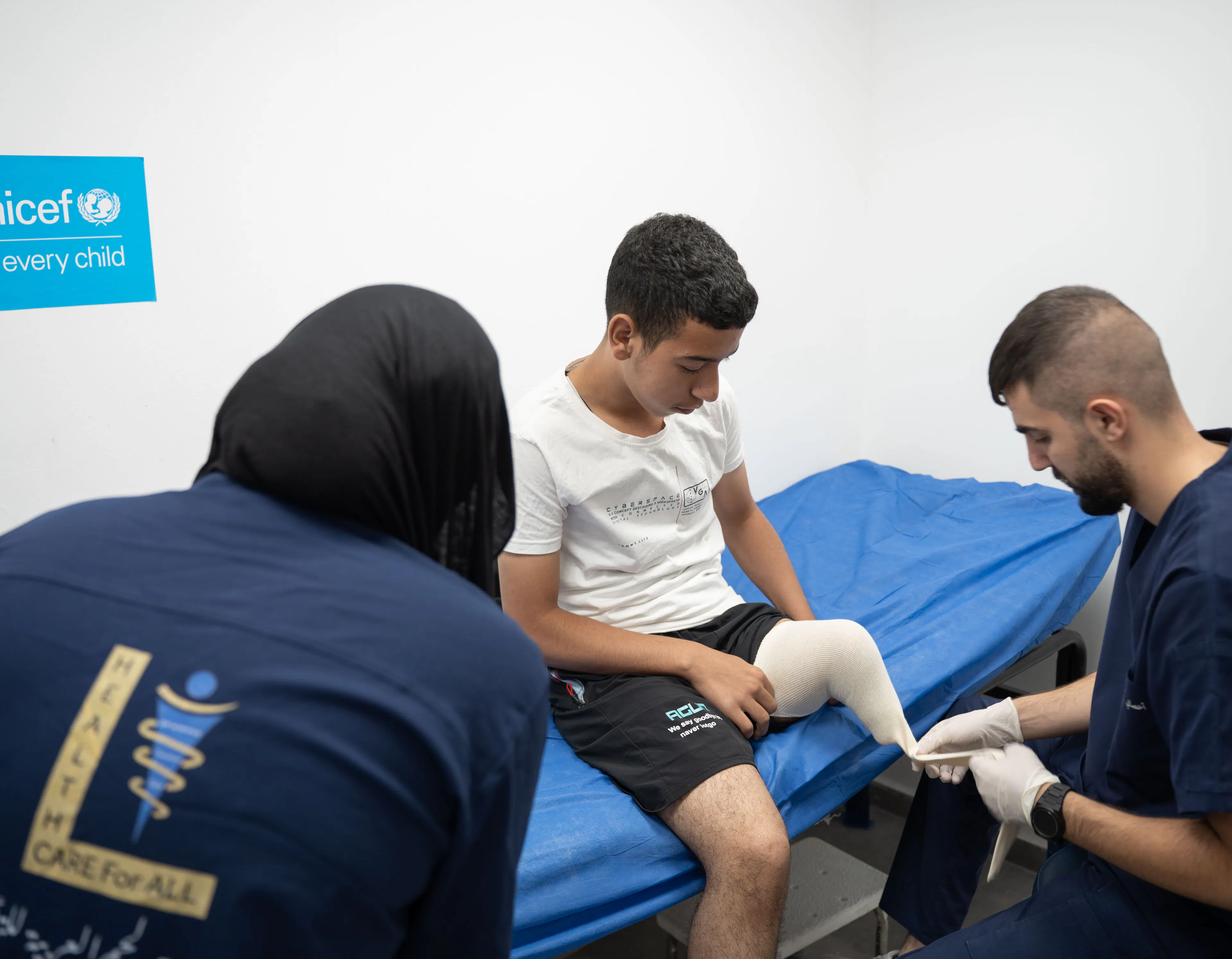
Yazan, 15-years-old, from Hebron, southern West Bank is a tenth-grade student with a passion for football. Since 2025, he has been receiving specialised support as his prosthetic leg is reassessed and fitted to his changing needs.
As Yazan grows, he needs a new prosthetic leg that offers greater comfort, mobility and the freedom to return to football, the sport he loves and plays with his friends.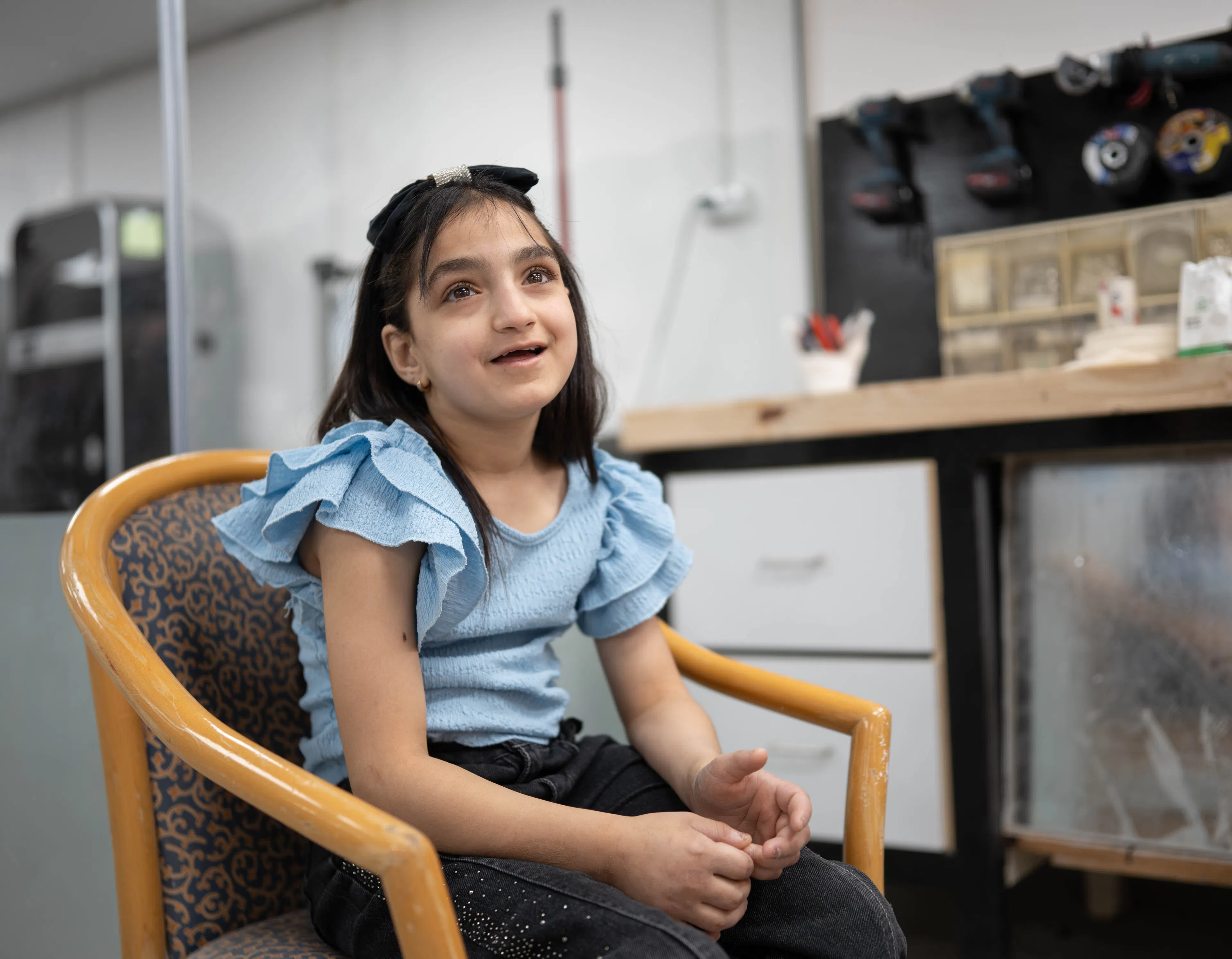
Helping Jouri move with confidence
Jouri, 10, was born with congenital insensitivity to pain with anhidrosis (CIPA), a rare genetic condition that affects sensation in the limbs. Following a foot amputation in 2020, she began receiving treatment in 2022 and currently uses crutches to move around.
Jouri was assessed by the rehabilitation team to better understand her condition and identify the most appropriate support for her individual needs.
Ali’s journey to recovery
The journey towards recovery can be especially difficult for children who have experienced conflict, serious injuries and the loss of loved ones. Alongside physical rehabilitation, emotional and psychosocial support can help children adapt to life after trauma.
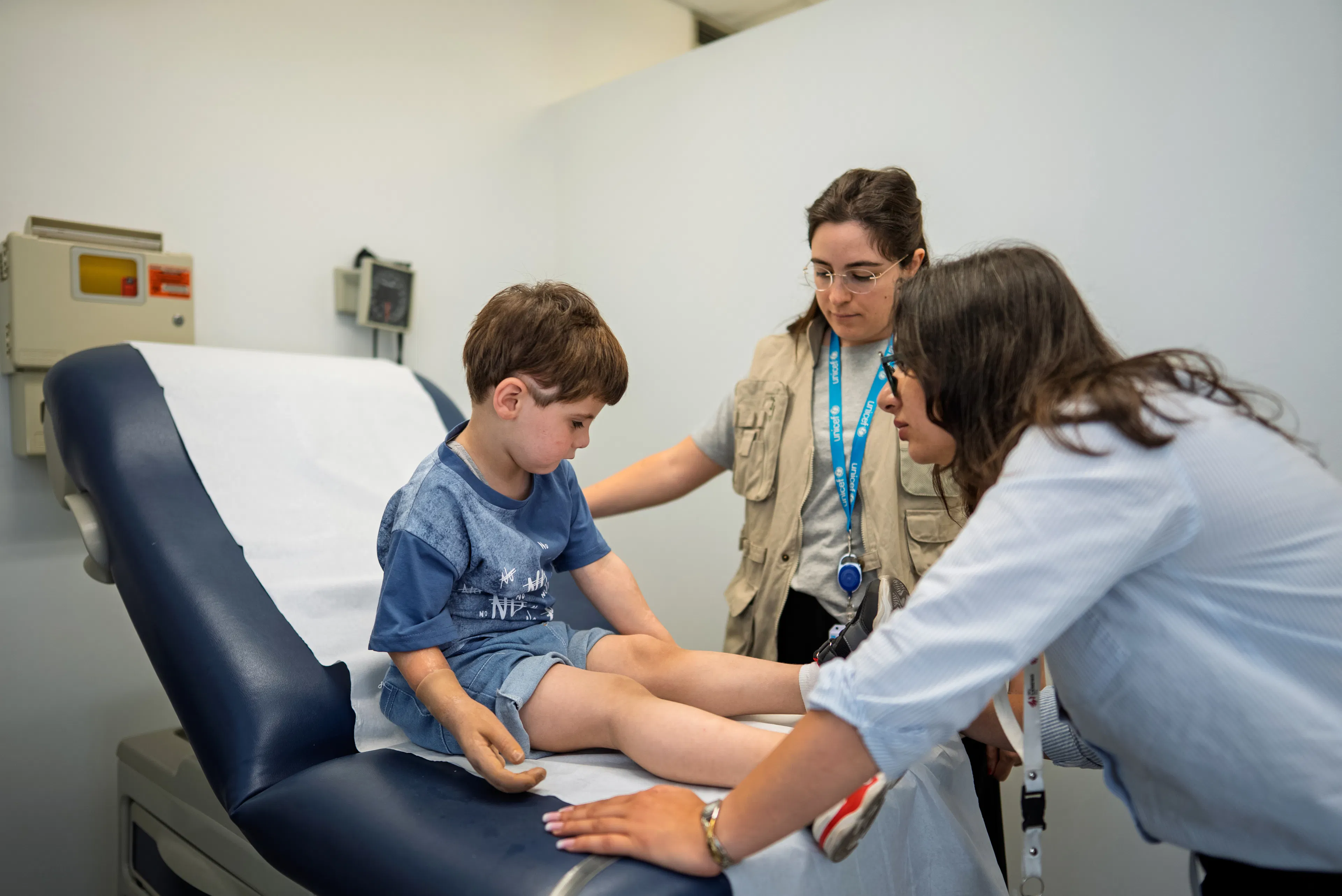
Three-year-old Ali survived 14 hours under the rubble after his home collapsed during an airstrike. He lost both of his parents and one of his hands. His treatment is carefully phased, allowing him to build the skills and confidence he needs before progressing to more advanced prosthetics.
Ali’s rehabilitation includes cosmetic prosthetic fitting, occupational therapy, physical rehabilitation and prosthetic acceptance training. After six to nine months of rehabilitation and training, he is expected to progress towards a myoelectric prosthesis.
Ali’s story is a reminder that recovery takes time. For children who have experienced life-changing injuries, access to specialised care is not a one-off intervention, but an ongoing journey.
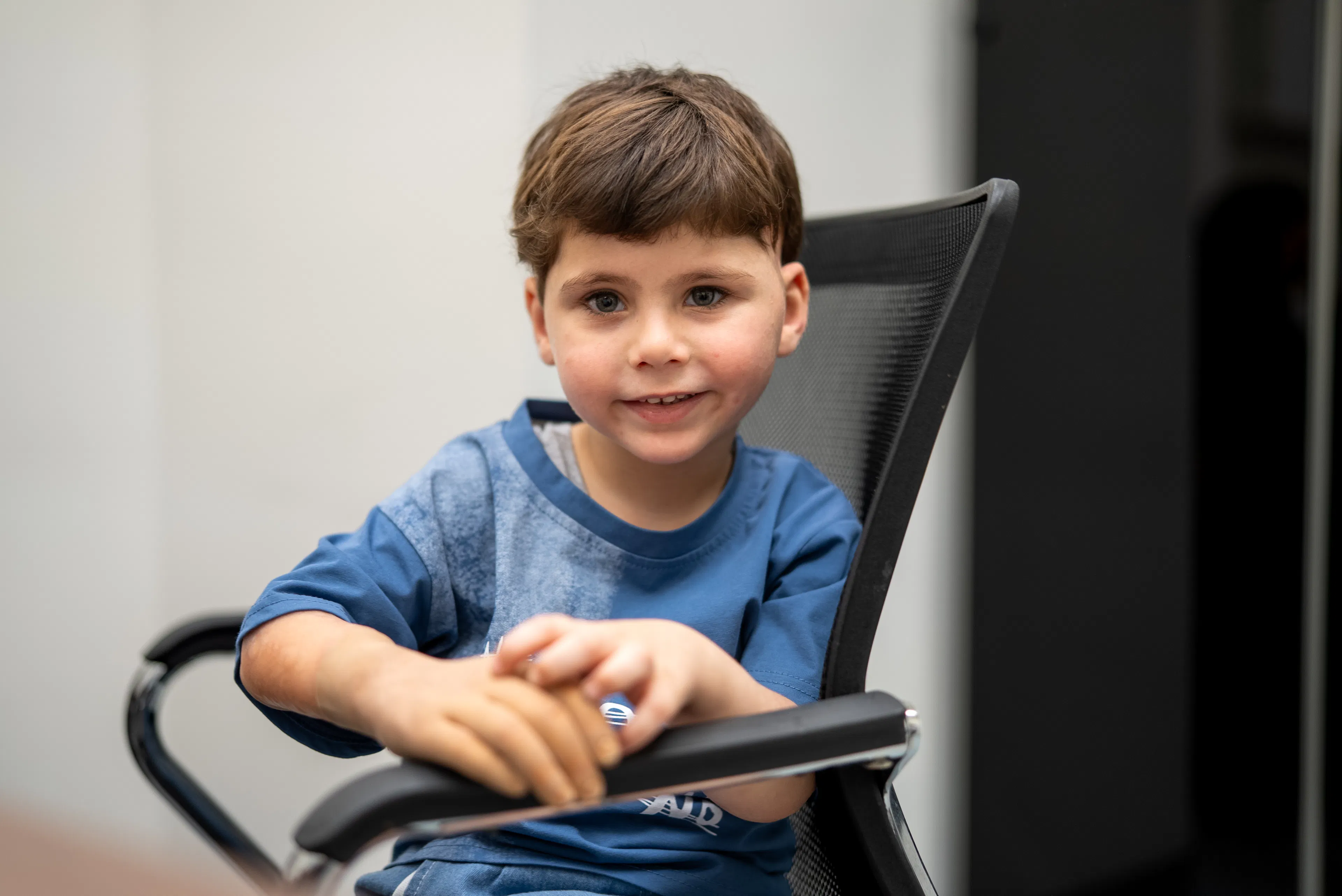
A myoelectric prosthesis uses signals from the muscles in a person’s remaining limb to help control movements in an artificial hand or arm. This technology can give children greater control over their prosthesis as they learn to use it in everyday life.
Helping children build brighter futures
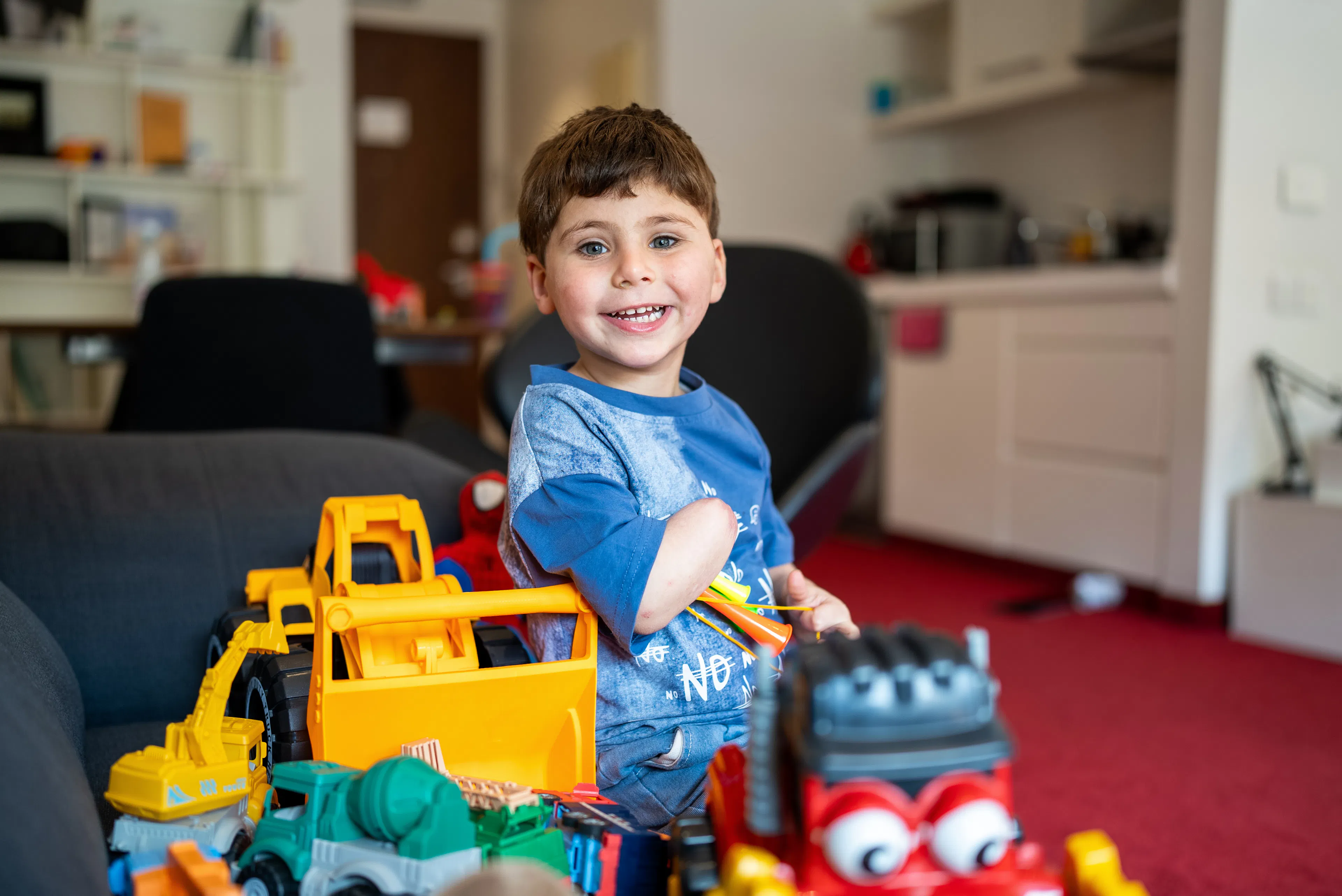
For children with disabilities and those recovering from traumatic injuries, the right care can make a world of difference. It can help them feel more comfortable in their own skin and get back to doing the things they love – whether that’s going to school, playing football with friends or simply enjoying being a kid.
A heartfelt thank you to FIANZ and its community for helping children access the care they need to rebuild their lives. Their funding is helping children take those important steps forward, giving them the chance to grow, play and dream about what comes next.