How Communities Across the Pacific Are Building a Better Future
30 October 2026
For children growing up on some of the Pacific's most remote islands, getting a quality education can depend on whether a school has clean water, trained teachers and safe learning spaces. Today, thousands more children have those opportunities thanks to strong and long-standing partnerships between UNICEF, national governments and local communities.
What makes these achievements especially remarkable is where they have happened. Many of the schools and communities supported are among the hardest to reach in the Pacific. Construction materials have travelled by small boats to outer islands, teachers have worked in some of the most remote villages, and communities have come together to make lasting improvements for children.
Today, those efforts are paying off.
Partner Spotlight: New Zealand Ministry of Foreign Affairs and Trade (MFAT)
UNICEF Aotearoa is deeply grateful to the New Zealand Ministry of Foreign Affairs and Trade (MFAT) for its long-standing commitment to children across the Pacific.
Through this partnership, children in some of the region's most remote communities now have access to clean water, improved sanitation facilities and quality early learning opportunities. Together, we've helped train teachers, strengthen education systems and support the transition to government ownership of programmes that will continue benefiting children for years to come.
The impact extends far beyond new facilities and training. It is helping create stronger systems, healthier schools and brighter futures for generations of children.
Clean water and safe toilets, even in the most remote schools
For many children, something as simple as having clean water, a working toilet and a place to wash their hands can make a huge difference to their health, dignity and ability to learn.
Over the past two decades, UNICEF has supported the construction and improvement of water, sanitation and hygiene (WASH) facilities in schools across Kiribati, Solomon Islands and Vanuatu. Some of these schools are located on remote outer islands where transporting building materials can be difficult and expensive.
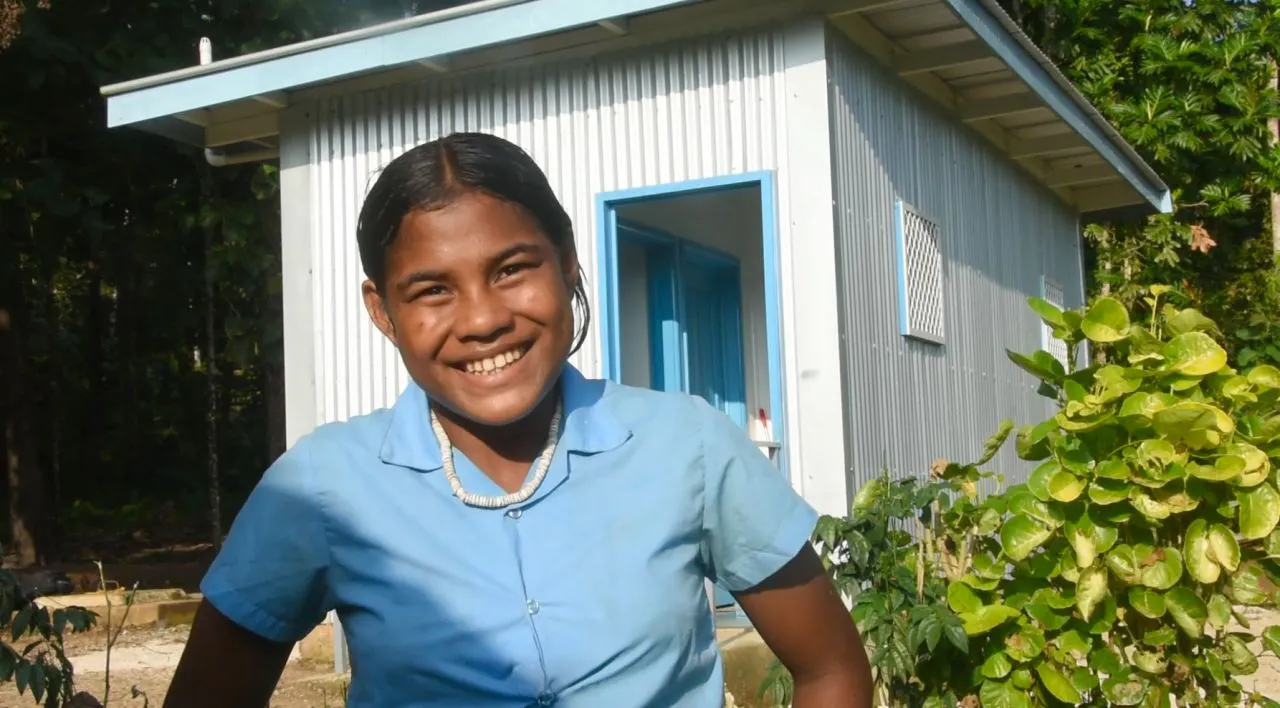
“Before this facility was built, we had to walk quite a distance whenever we needed to use the toilet. Most of the time, we would go along the beach or into the bushes, with separate areas for boys and girls,” says Francina, a Grade 6 student at Bokolonga Primary School in Ngella, Solomon Islands.
“Now we are very happy because the toilet is right near our classrooms. It is much more convenient, and I believe it will help us stay in school and concentrate better in class."
In Kiribati, new and upgraded WASH facilities have already been completed in five schools on Marakei Island, benefiting hundreds of students. Work has also progressed on other islands, including Abaiang, North Tarawa, Maiana and Butaritari, helping ensure more children can access safe and inclusive facilities close to home.
Partner Spotlight: The DC10 Fund
A new water, sanitation, and hygiene facility was handed over to Taiti Primary School in Marakei, Kiribati, marking the first DC10 Fund–supported site in the country.
MFAT, the DC10 Fund, and UNICEF worked with the Ministry of Education to deliver improved sanitation blocks and a water tank for students. UNICEF Ambassador Dan Carter joined the official handover, alongside government leaders, local authorities, and the community. The new facilities will provide safer, cleaner learning environments and help reduce waterborne diseases while supporting school attendance.

In Solomon Islands, UNICEF has recently completed WASH facilities in 27 schools, helping children spend more time learning and reducing the risk of illness that can keep students out of the classroom.
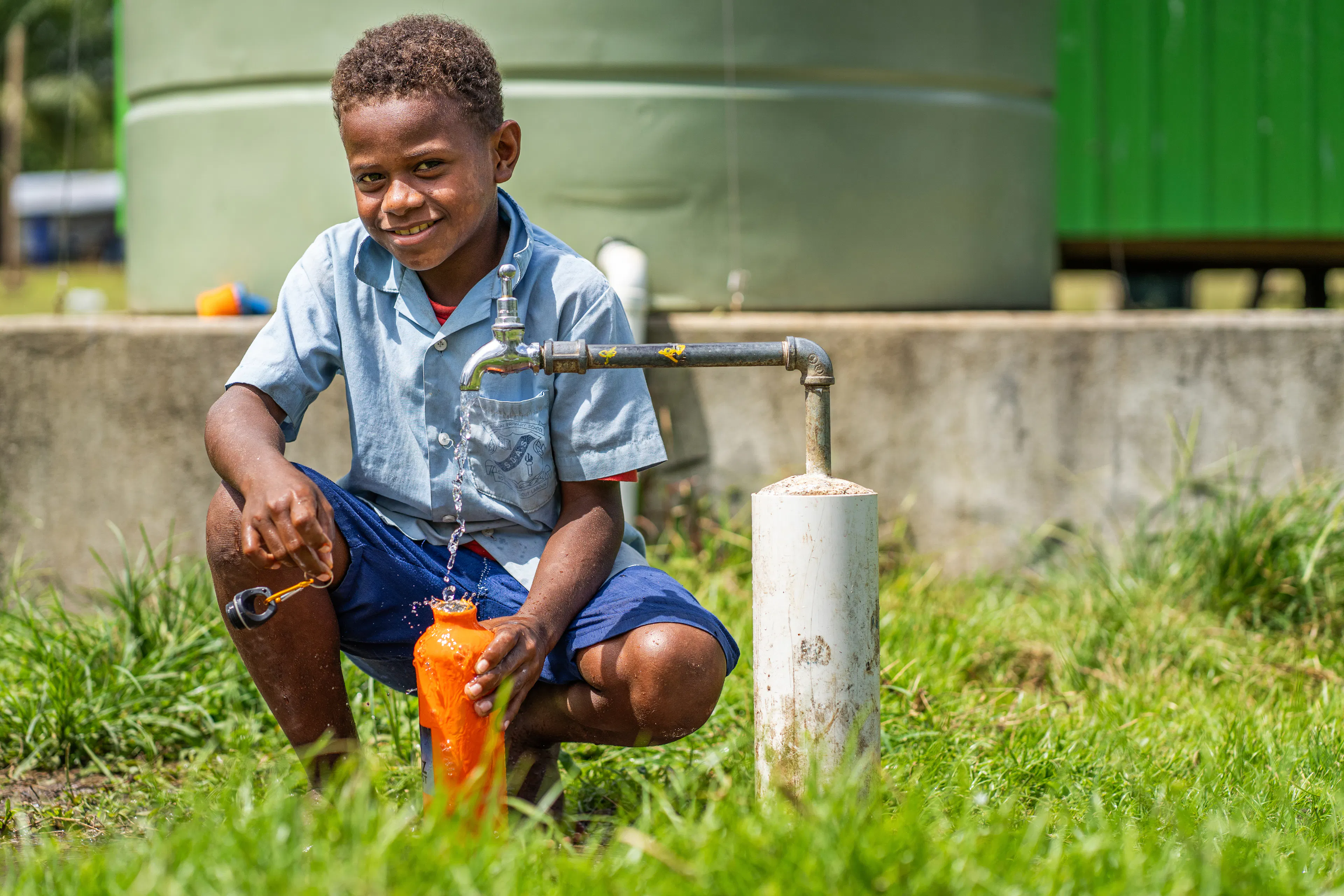
Behind every new facility is a simple goal: giving children a healthier, safer environment where they can focus on learning.
Supporting national government and community ownership
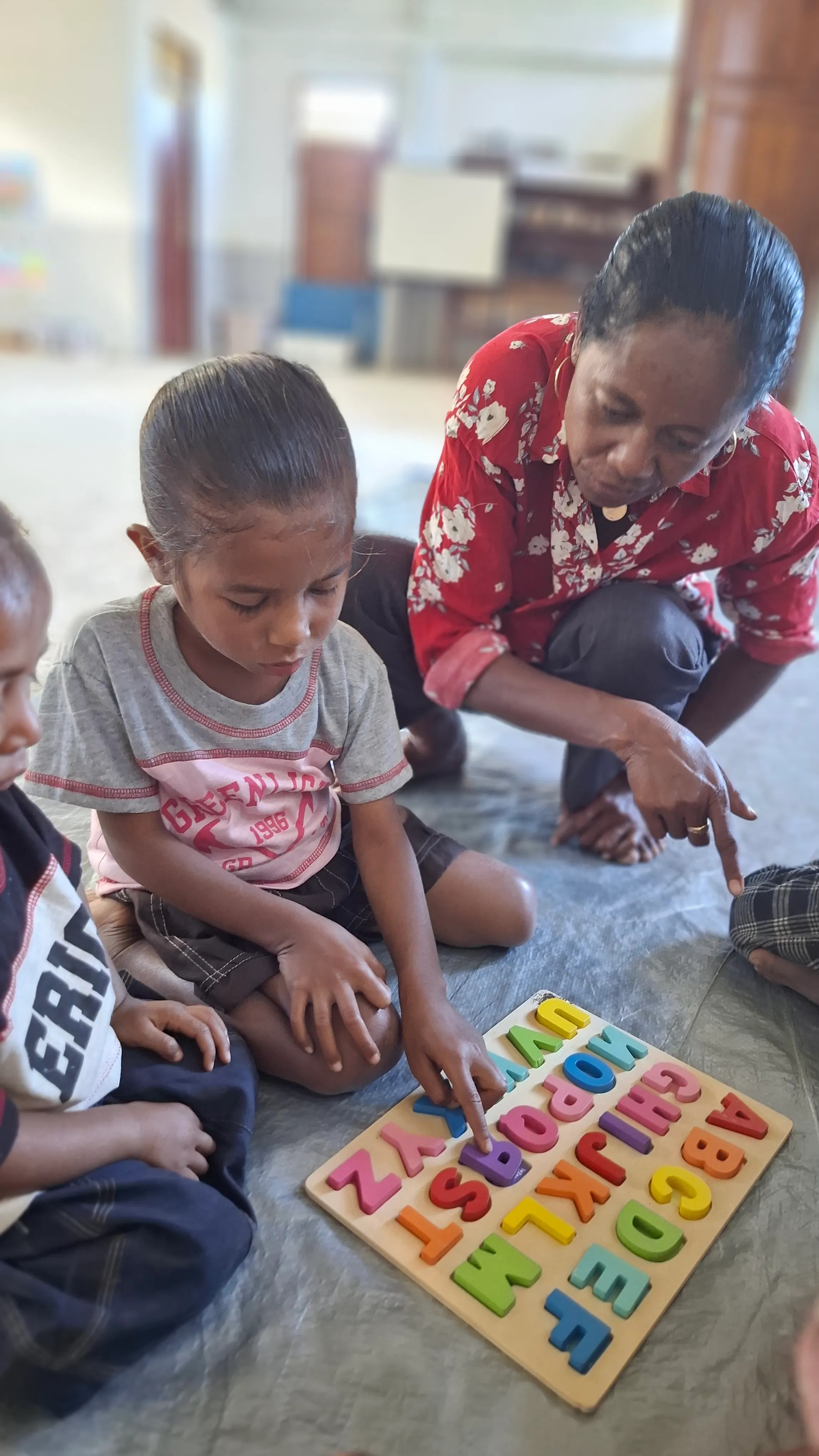
One of the most important successes of the programme has been making sure progress will continue long after individual projects end.
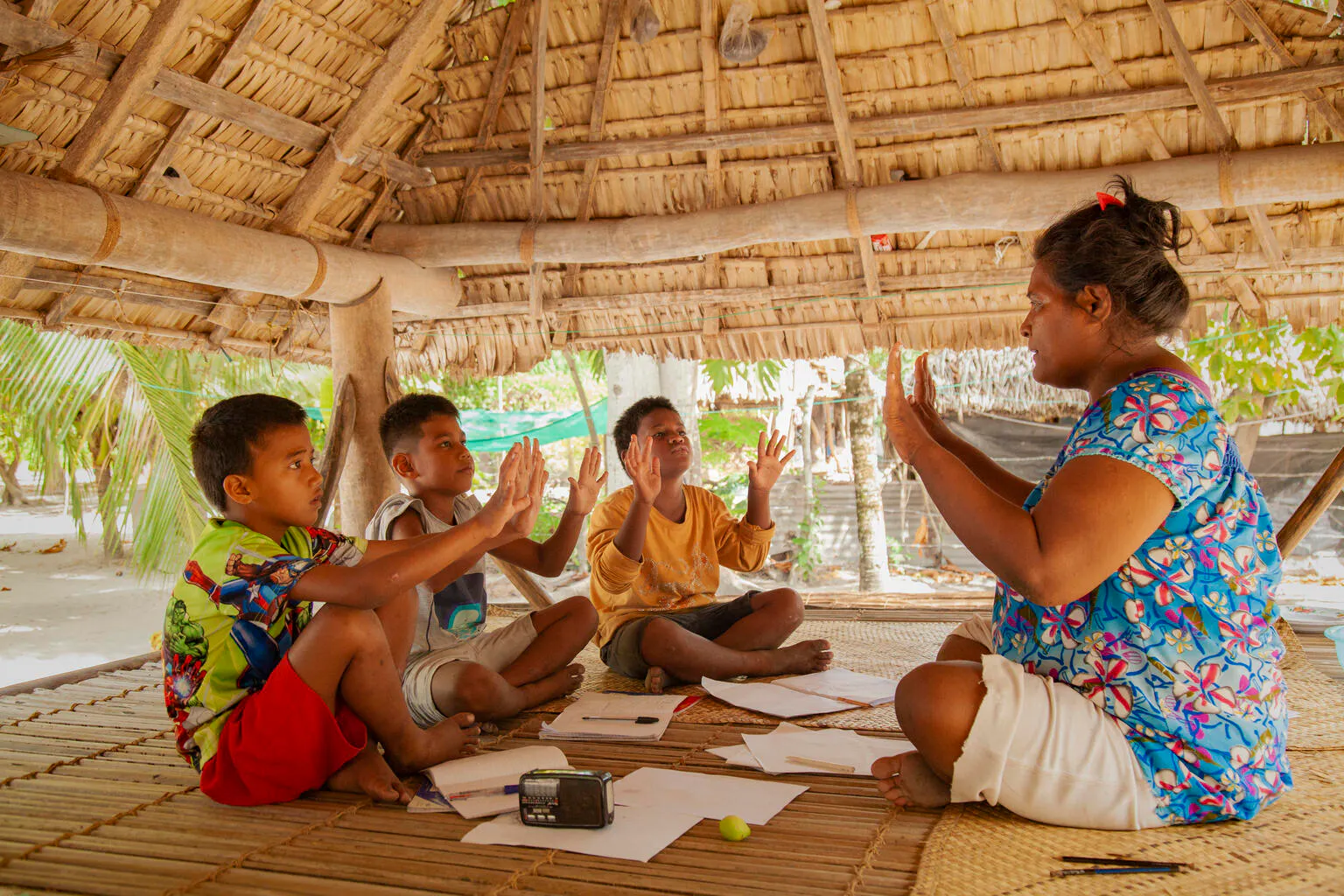
In Timor-Leste, UNICEF has helped establish and strengthen 87 community-based preschools that bring quality early learning opportunities to children living in rural and remote areas. UNICEF has been supporting them for 10 years; now,the priority is for national government to incorporate these preschools so that they can become part of the country's education system.
That transition is already underway. More preschools are receiving government support, including school feeding programmes, and the Ministry of Education has begun assessing dozens of community-based preschools for integration into the public preschool system.
This means that children will continue to benefit from quality early learning opportunities, while the programme becomes increasingly sustainable and locally led .
Teachers and school leaders creating change
Strong schools need more than infrastructure. They need confident teachers and school leaders who can help children thrive.
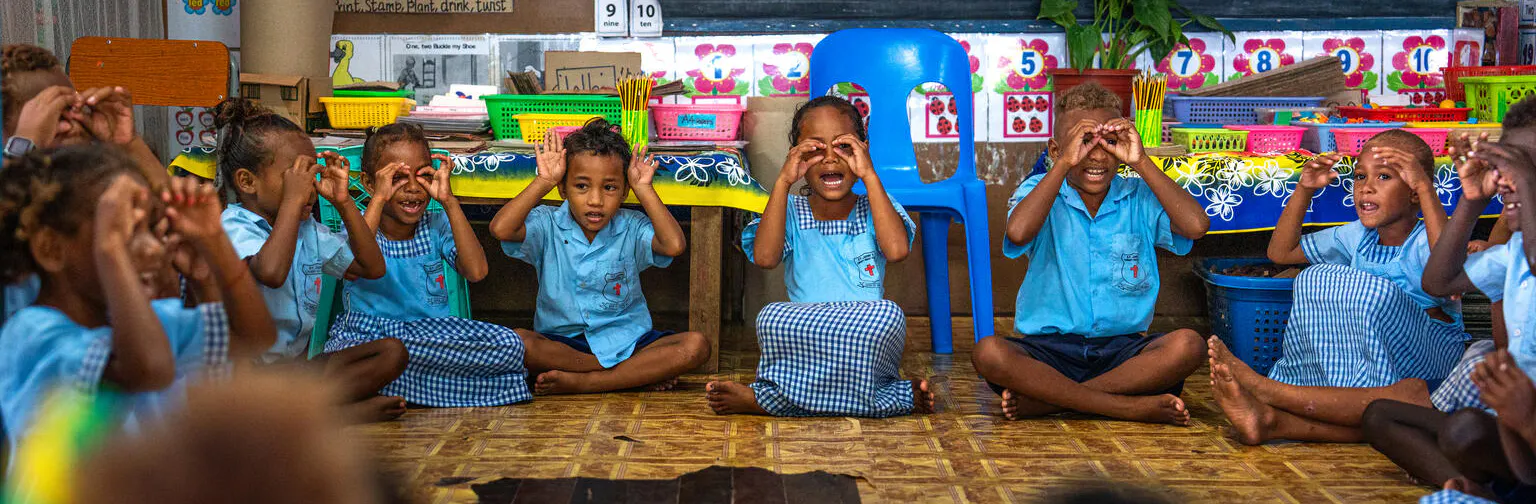
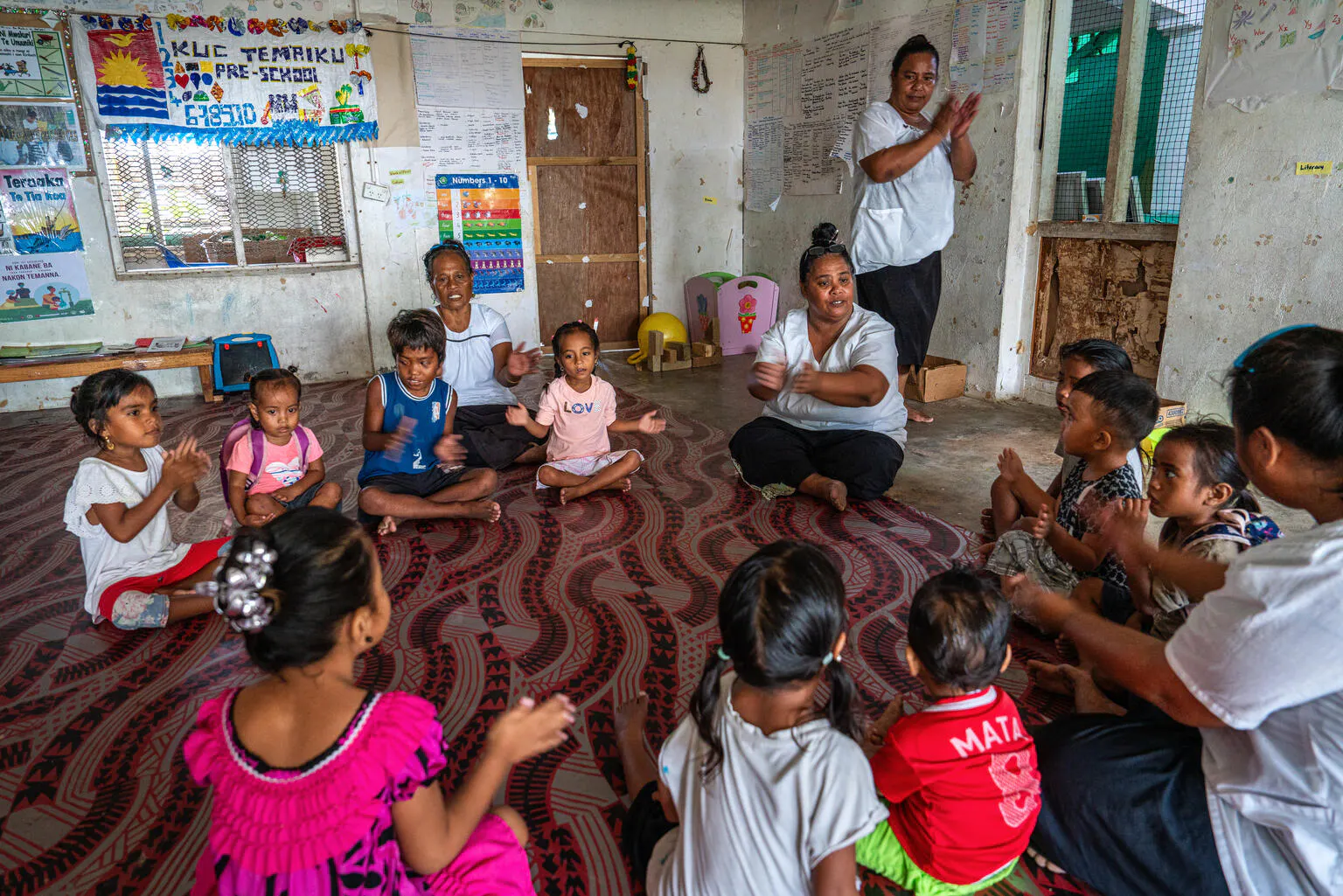
In Kiribati, every registered early childhood teacher in the country has now been trained in the national Early Childhood Care and Education curriculum. This represents a major milestone for early learning, helping ensure children across the country receive high-quality, play-based education during the most important years of development.
Partner Spotlight: The Church of Jesus Christ of Latter-day Saints
At Suango School in Mele, Vanuatu, a UNICEF-installed water tank, supported by The Church of Jesus Christ of Latter-day Saints, is making an everyday difference in the students' lives. Clean water means children can stay healthy, stay in school and thrive.
For more than a decade, The Church of Jesus Christ of Latter-day Saints and UNICEF have partnered to support children and families worldwide. In Vanuatu, that partnership is helping deliver safe water, sanitation and hygiene to the kids who need it most.
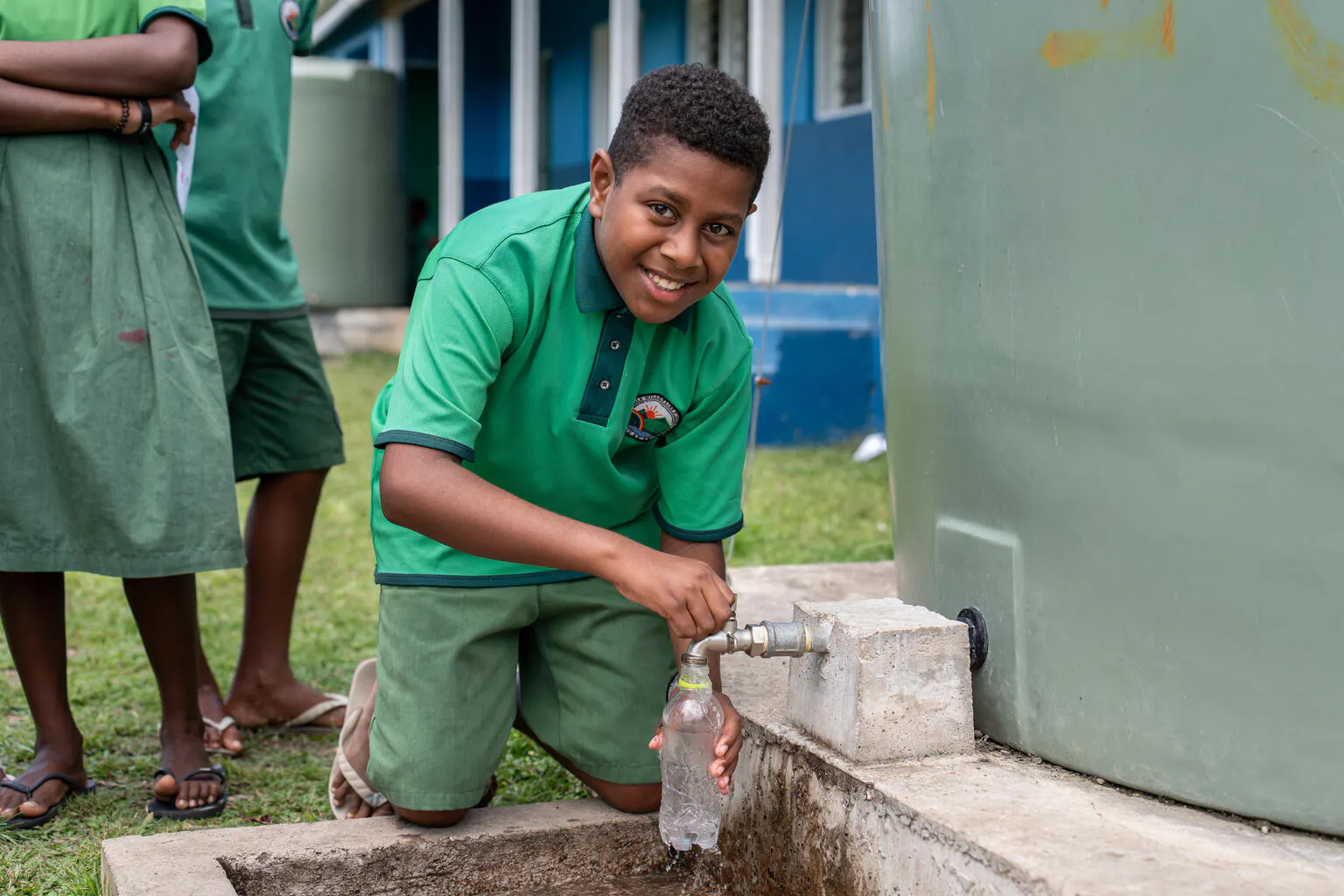
And the impact is adding up. UNICEF's WASH programme in Vanuatu, has brought water systems, toilets and handwashing facilities to 85 schools, reaching more than 17,000 students with healthier, safer places to learn.
Thank you to The Church of Jesus Christ of Latter-day Saints and MFAT for backing children in Vanuatu and helping create change that lasts.
What's next?
While there is much to celebrate, the work is not finished.
Over the coming years, UNICEF will continue supporting governments and communities to build on these achievements. In Timor-Leste, efforts will focus on further integrating community-based preschools into government systems and ensuring children in remote communities continue to have access to quality early learning.
Across the Pacific, UNICEF will continue supporting schools to maintain and improve WASH services, strengthen local ownership and ensure facilities remain functional for years to come.
The next chapter is about sustainability: empowering communities, strengthening national systems and ensuring the gains made over the past several years continue long into the future.
Together, these achievements show what's possible when communities, governments, partners and supporters work side by side to create lasting opportunities for children.