Breaking the Cycle
of Absenteeism
New WASH facility restores dignity and learning
for Honiara Senior High School students
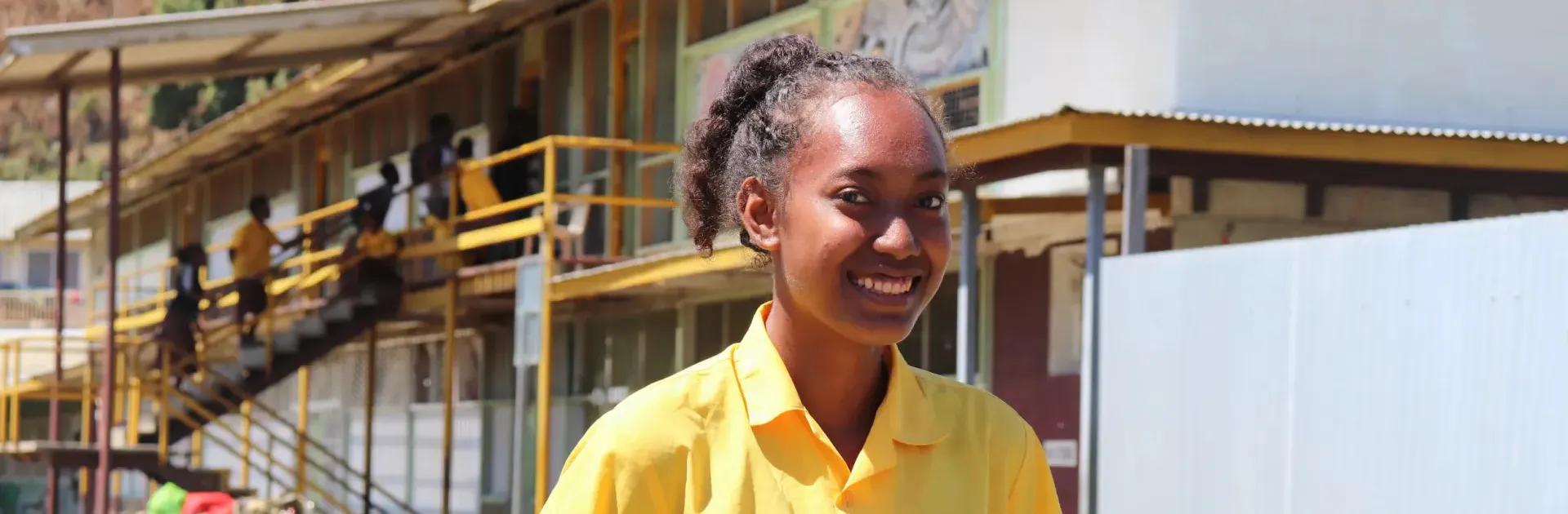
Anna Rini knew the routine. She would walk up to the duty teacher, claim she felt unwell, and hope to be sent home. Like many girls at Honiara Senior High School, the Form 5 student had learned when to ask for sick leave, even when she wasn’t sick.
Principal Allen Ketei knows exactly why.
“Absenteeism is like a cancer, it kills students’ futures,” he says. For his students, especially girls, that cancer has spread not from a lack of will to learn, but from something as basic as broken toilets and unsafe showers.
For years, girls like Anna faced an impossible choice during their menstrual periods: use unsanitary facilities or walk out the school gates.
With just six toilets for 1,315 students—one for every 219 children—and showers with broken windows that left girls exposed, the choice was often made for them.
A Silent Struggle
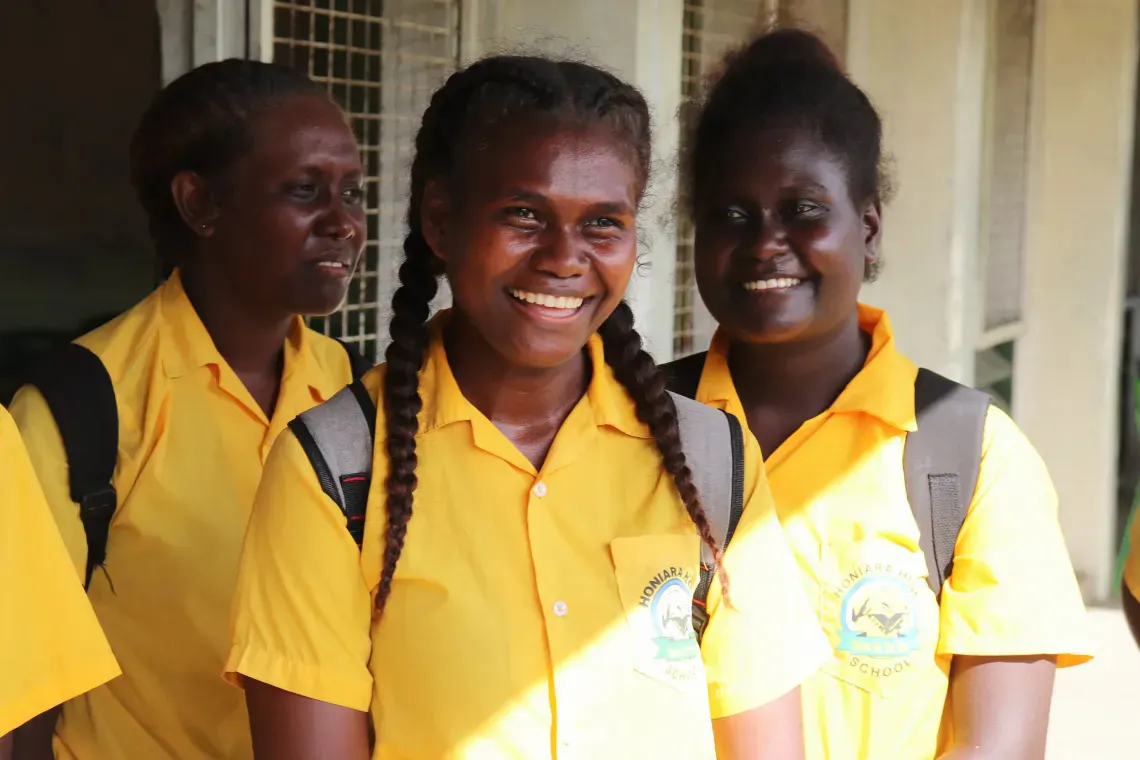
Behind the enrolment figures (672 boys and 643 girls) lies a daily reality of missed classes. “We usually wait for a turn as the old facilities are not enough and always occupied, leaving us queuing,” Anna explains.
Break times meant long lines outside the few working toilets. For girls, menstruation brought added fear and vulnerability. “We have to ask for sick leave and go home,” she says, echoing the monthly experiences of hundreds of her peers.
A Foundation for the Future
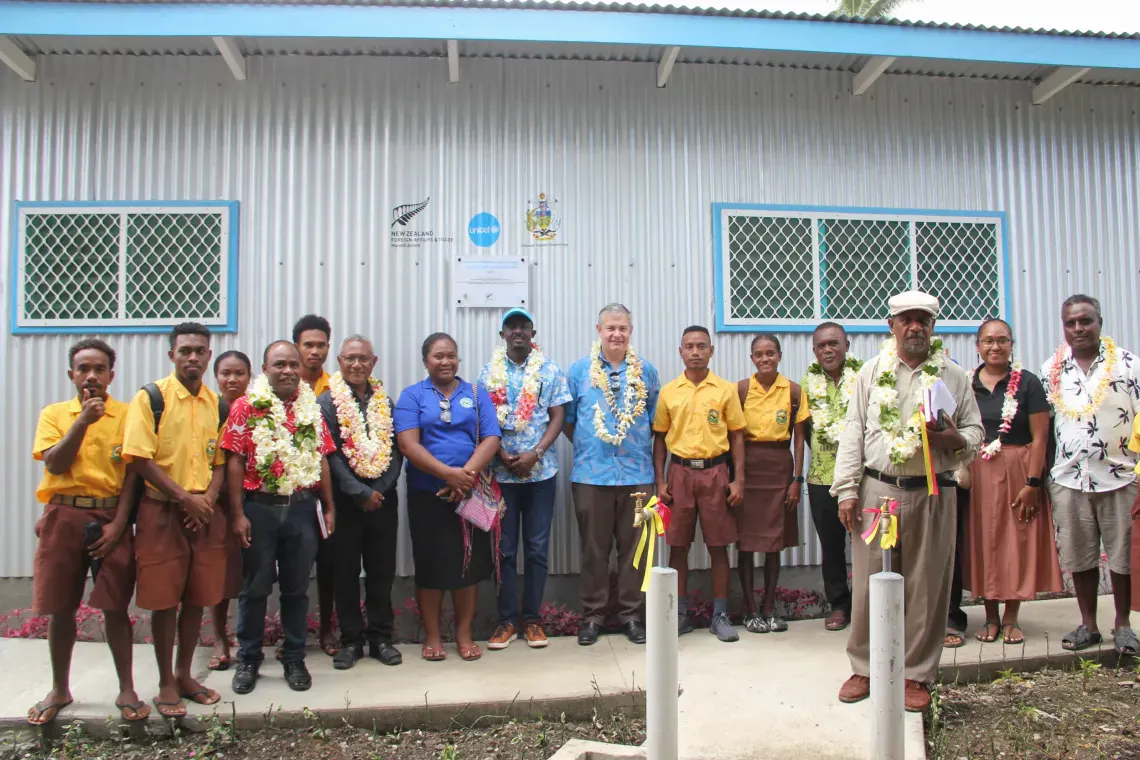
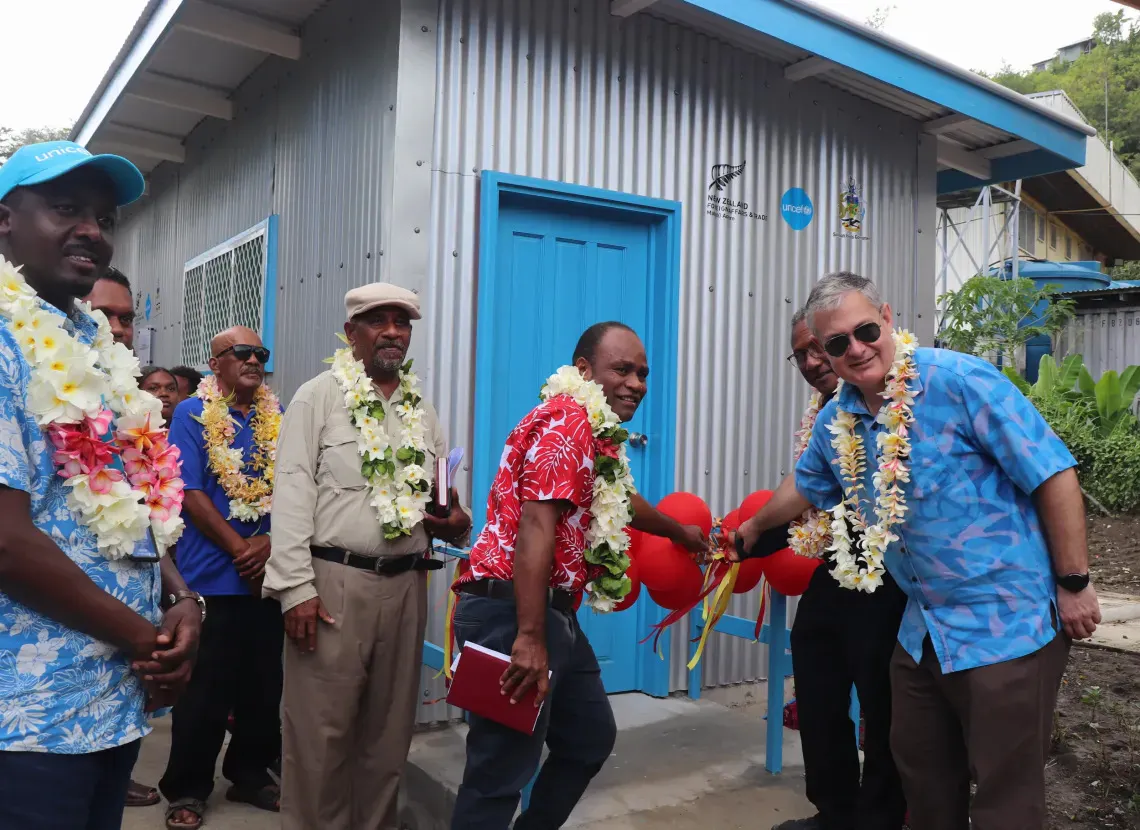
But this hidden crisis is now meeting hope. A new Water, Sanitation and Hygiene (WASH) facility was recently installed, promising dignity and safety for more than 1,300 students.
The new WASH facility includes separate toilet blocks for boys and girls, two handwashing stations with 4 taps, four water basins inside the toilet block, disability-friendly access, and—most importantly—a bathing station for menstrual hygiene.
Anna’s schoolmate George William remembers the toll on everyone: “Every day we experienced overcrowded toilets, worse during break times.” Toilets that barely flushed created unhygienic conditions for the entire school community.
“When female students approached staff saying they had their periods and needed to leave, staff couldn’t stop them. There was no facility to support them,” Principal Ketei says. “With the new facility, I expect big improvements in attendance.”
A WASH committee has been formed to ensure proper maintenance, while Ketei hopes future support will allow sanitary pads to be provided for students in need.
Anna is already hopeful: “With the new facility, it will be nice and safe for us girls. It will help us not miss classes during our periods.”
Ripple Effects of Change
Honiara Senior High is among 20 schools in Guadalcanal Province benefitting from UNICEF’s WASH in Schools (WinS) and provision of the WASH facilities, reaching nearly 5,000 students. Here, though, the impact will be felt immediately.
“Absenteeism affects performance,” Ketei explains. “If students are absent two or three days, they miss knowledge. When attendance improves, students finally have the time to learn.”
The ripple effects go beyond attendance. When students no longer queue endlessly for toilets, when girls can attend school without fear, and when teachers see fewer bright futures lost to poor sanitation—education becomes a true opportunity.
Looking Ahead
As the facilities are already in use, anticipation builds across the campus. For Ketei, it is a chance to fight the “cancer” of absenteeism. For Anna and her classmates, it means choosing learning over shame. For George and the boys, it means clean and functional toilets at last.
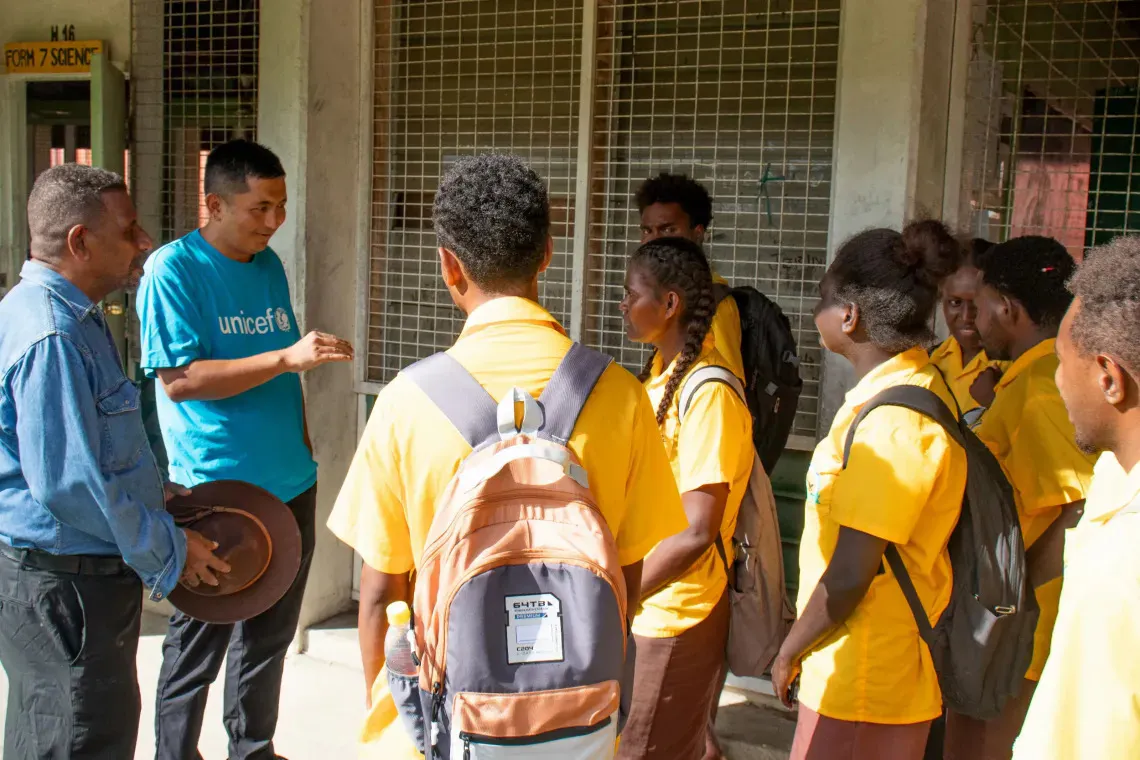
“We look forward to working with our donor partners to improve facilities and quality learning for both students and teachers,” Ketei says, this time with hope, not resignation.
In the Solomon Islands’ journey toward Sustainable Development Goal 6—clean water and sanitation for all—this is one powerful step forward. The new WASH facility is more than a building. It is proof that education is not only about classrooms and textbooks, but also about dignity and equality. It removes barriers that once forced students out the gate—and instead open pathways to brighter futures.