The Wonder Food,
Saving Lives
24 February 2026
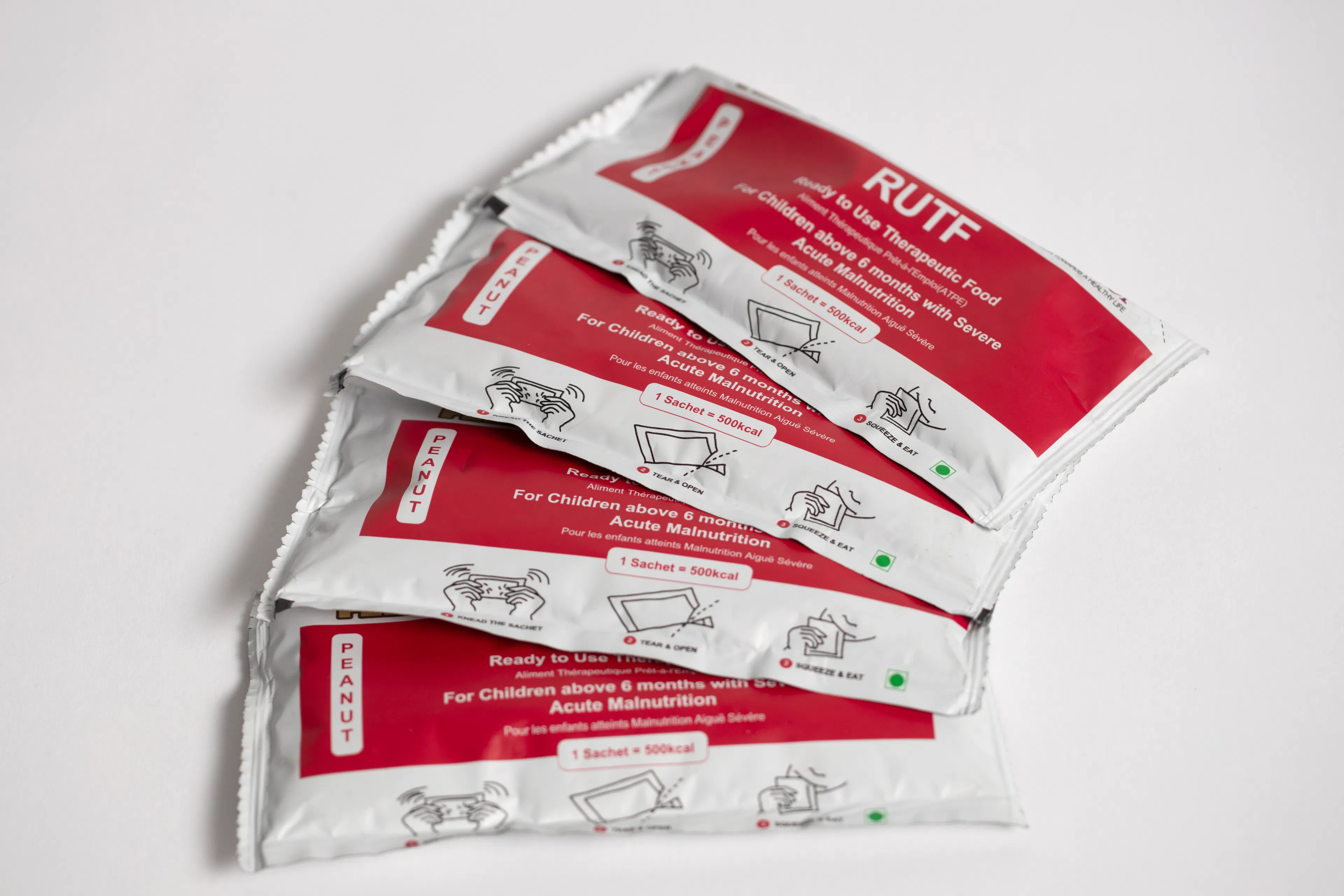
This year marks 30 years since the development of ready-to-use therapeutic food (RUTF), a small sachet of 'peanut paste'. Approved in 1996, this lifesaving paste has revolutionised the care of children with severe acute malnutrition, underpinning one of the most significant public health nutrition breakthroughs of our time.
Over the past three decades, UNICEF has delivered 8.7 billion sachets to children living in the world’s most challenging environments, making UNICEF the largest supplier of RUTF globally. This milestone reflects extraordinary progress but also highlights how much work remains.
Key statistics
What is wasting?
Wasting is the most immediate form of malnutrition. Children with wasting are too thin and their immune systems are weak, leaving them vulnerable to developmental delays, disease and death.
Today, more than 12 million children are suffering from severe wasting, the deadliest form of malnutrition. Children with severe wasting are dangerously thin for their height, with weakened immune systems that leave them vulnerable to common childhood illnesses. Their risk of death is 12 times higher than that of well-nourished children.
Ready-to-use therapeutic food has played a critical role in driving down preventable child deaths and transformed how lifesaving treatment is delivered. But how did this miracle ‘peanut paste’ come to have such a profound impact?
The ‘wonder food’ that saves children’s lives
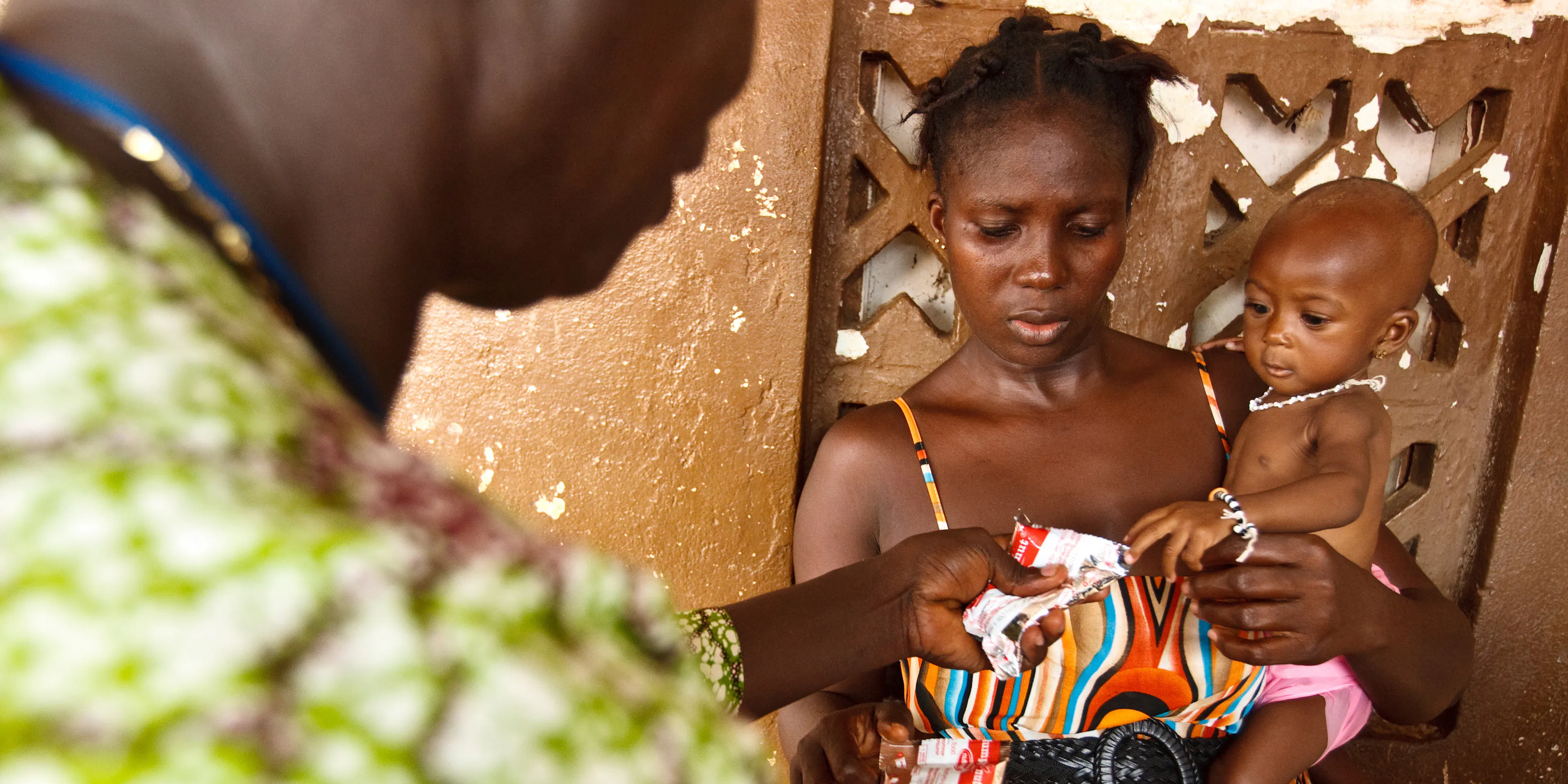
RUTF is a peanut-based paste packed with the calories, vitamins and minerals a child needs to recover from severe acute malnutrition. Before it was developed 30 years ago, treatment often required weeks of hospitalisation, which is out of reach for families in remote or conflict-affected areas. RUTF changed that. It needs no preparation, refrigeration or clean water, so children can be treated at home and supplies can reach even the most challenging emergency settings.
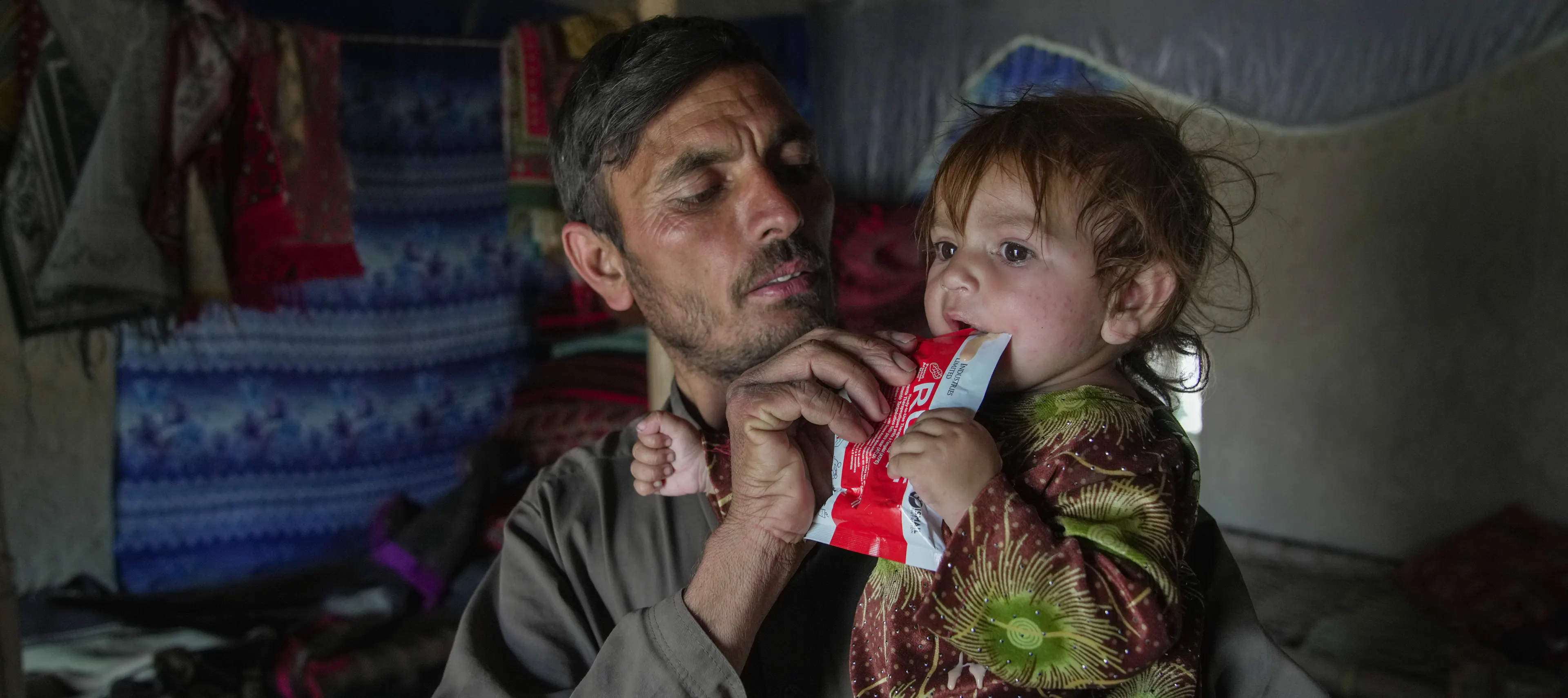
How a small sachet reaches children worldwide
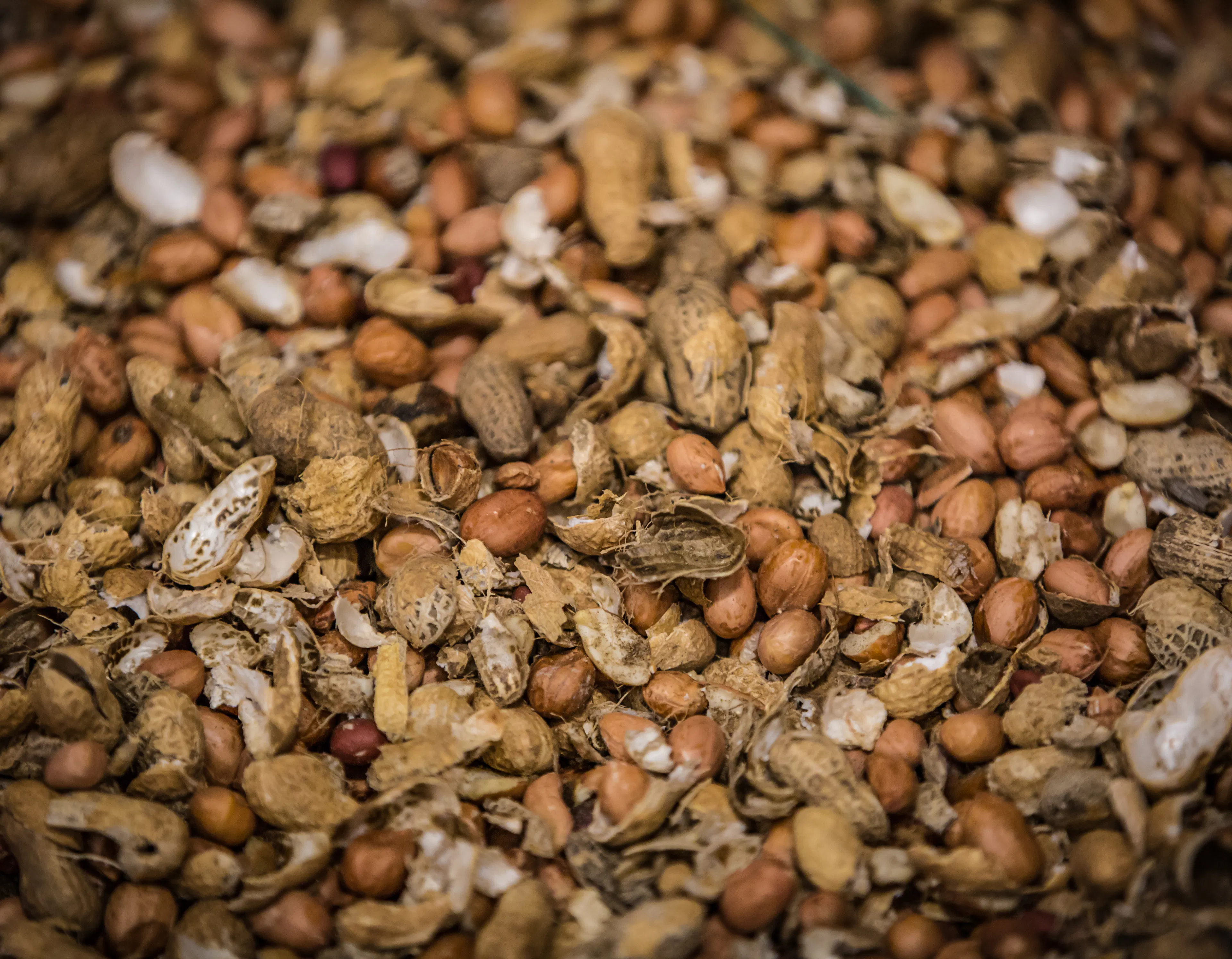
Sourcing the Nutrition
When this lifesaving 'peanut paste' was first developed, there were no qualified local manufacturers. A single international supplier produced the sachets, which were then shipped around the world.
Today, that is very different. UNICEF works with 23 suppliers across Africa, the Americas, Asia and Europe. Most are based in lower-income countries, where it can be used locally and exported to neighbouring countries.
Local Production
Peanuts are being sorted for the production of RUTF at Hilia Foods in Addis Ababa, Ethiopia.
Local production delivers multiple benefits. It allows treatment to reach children faster in emergencies, creates local jobs, strengthens local economies and reduces environmental impact by minimising long-distance transport.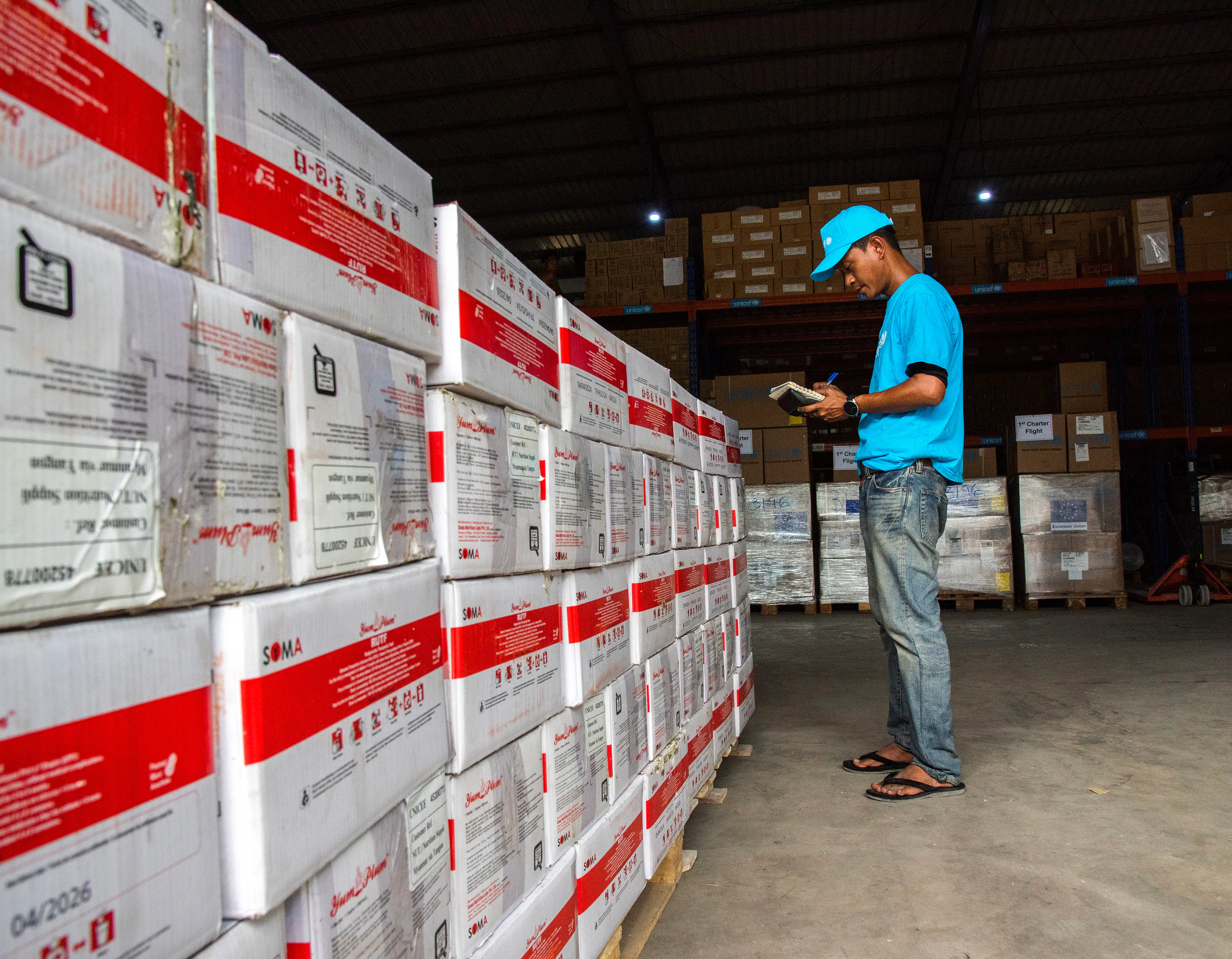
Taking Stock
UNICEF warehouse staff inspect cartons of Ready-to-Use Therapeutic Food before loading them onto a truck at the UNICEF facility in Hlaing Thar Yar Township, Myanmar. It is bound for the UNICEF warehouse in Mandalay and distribution hubs across Myanmar.
These life-saving supplies are being delivered to support children and families affected by the earthquake that struck communities across Mandalay, Sagaing, and Nay Pyi Taw.
Nutrition Delivered Worldwide
A shipment of approximately 6,300 cartons of ready-to-use therapeutic food arrives at Kabul International Airport, carrying enough supplies to treat thousands of children suffering from severe acute malnutrition across Afghanistan.
Each carton contains nutrient-rich sachets that can mean the difference between life and death for a child in crisis. UNICEF's advanced supply chain network makes deliveries like this possible, ensuring life-saving nutrition reaches children in even the most remote and hard-to-access corners of the world, no matter the challenges on the ground.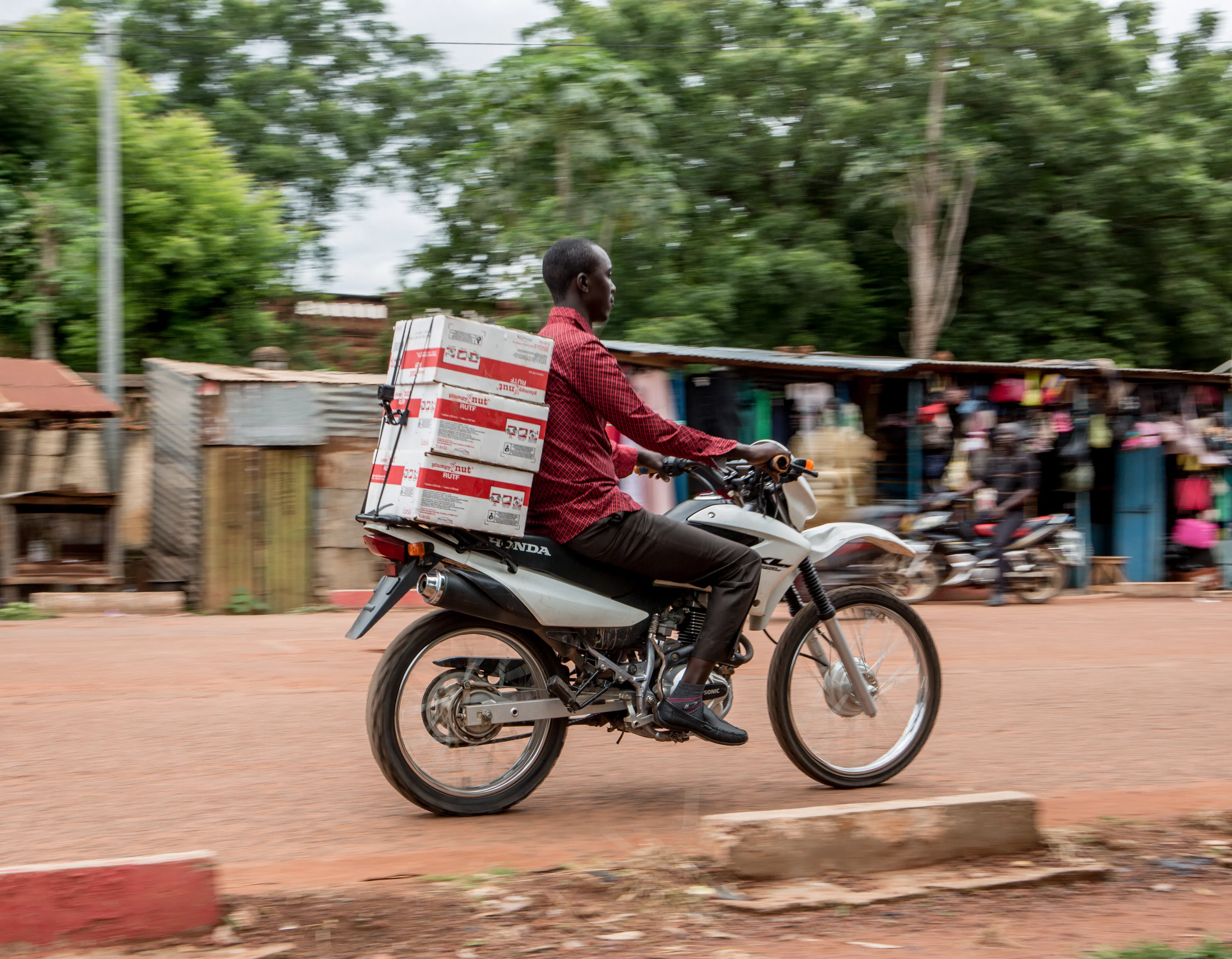
Hard to Reach Places
In Sikasso, Mali, RUTF sachets are loaded onto motorbikes and distributed to smaller, more remote clinics that larger vehicles simply cannot reach. By the time the product finally arrives in the hands of a child who needs it, it has overcome countless obstacles; insecurity, damaged roads, limited infrastructure.
The delivery of nutrition defies the odds of a country in turmoil and completing a journey many would consider impossible. UNICEF continues to emphasise prevention activities alongside treatment, working to increase access to quality care for severely malnourished children across the region.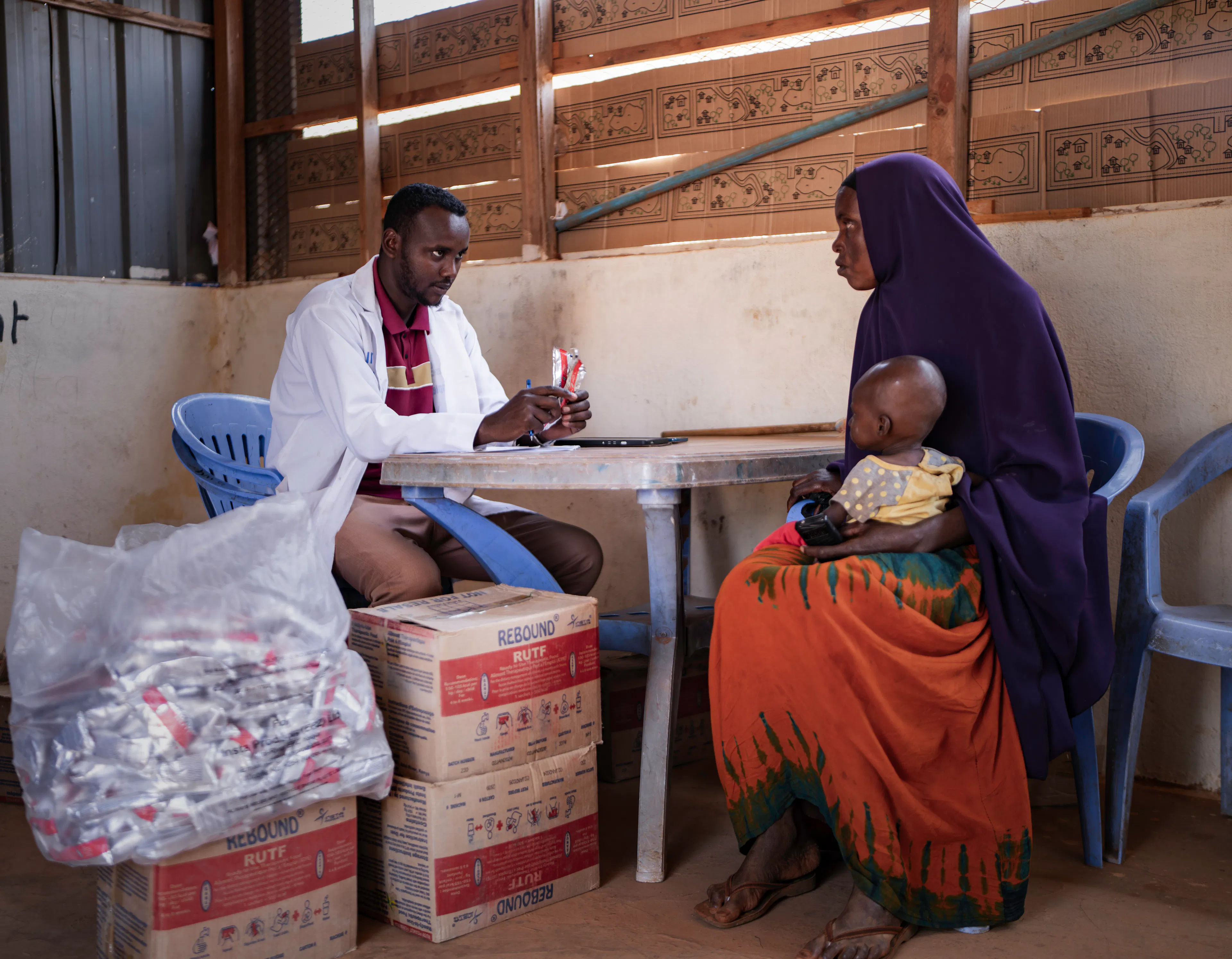
To Those Who Need it Most
Near Baidoa, Somalia, families displaced by drought and conflict rely on a UNICEF-supported health centre to treat their malnourished children with ready-to-use therapeutic food. Eighteen-month-old Abdi has recovered after weeks of treatment.
His mother Hawa is hopeful: "When the rains come, we'll farm again." For 24-month-old Farhan, treatment has only just begun. His grandmother Leyla sold her maize harvest just to pay for transport to the clinic. Now RUTF is the only food he can eat.
What’s next for the lifesaving peanut sachet?
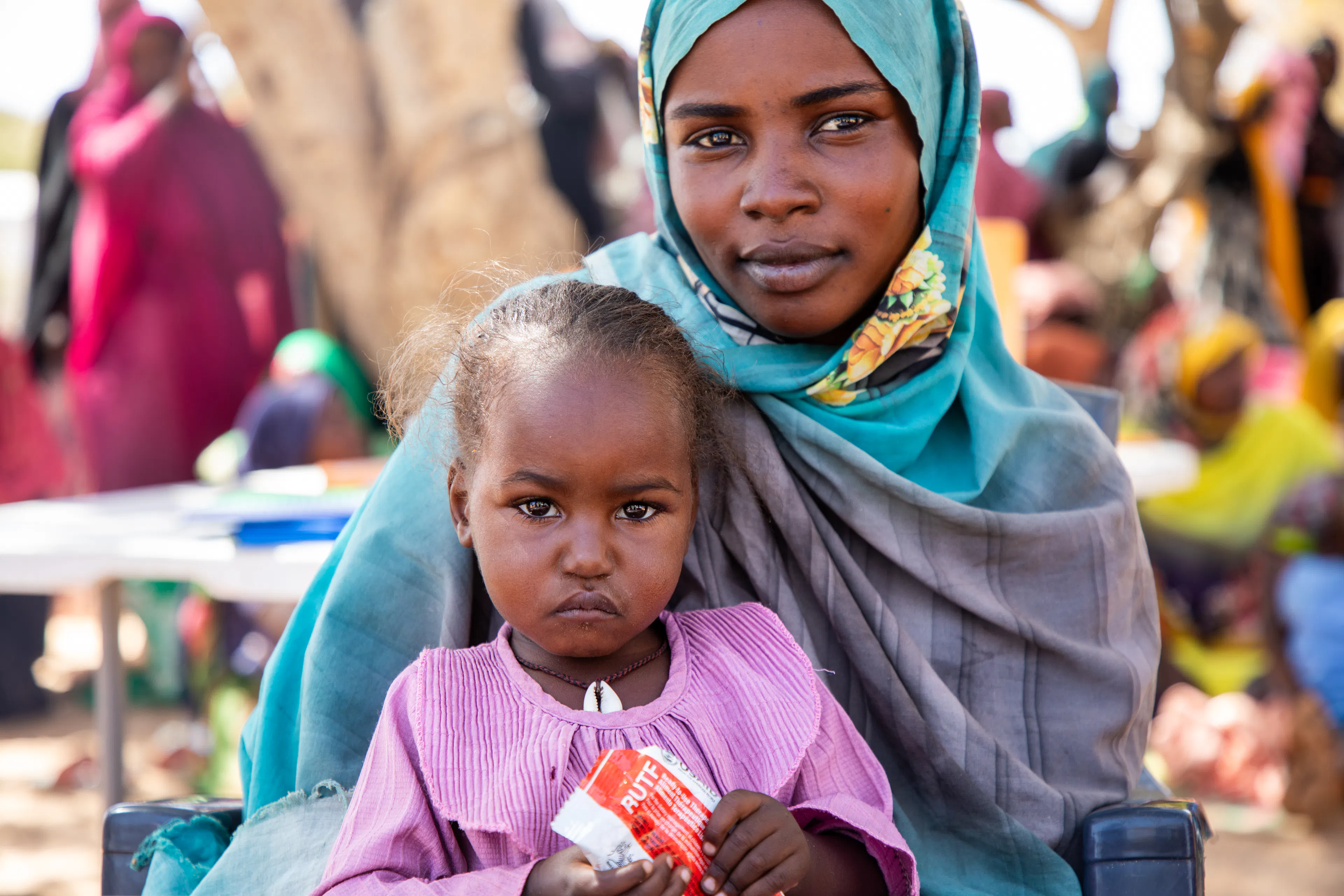
For three decades, ready-to-use therapeutic food has relied primarily on milk powder and peanuts. While highly effective, these ingredients are costly, accounting for around two-thirds of production, and their availability fluctuates by country and season.
UNICEF is leading the development of new formulations using alternative, locally available ingredients to make RUTF more sustainable and affordable where malnutrition is highest. Soybeans and chickpeas have emerged as promising options, both high in protein and widely grown across Africa and South Asia.
In Ethiopia, one of the world's largest chickpea producers, UNICEF is supporting trials of a new recipe using locally sourced ingredients, adapting RUTF to local diets and making production less dependent on costly imports.