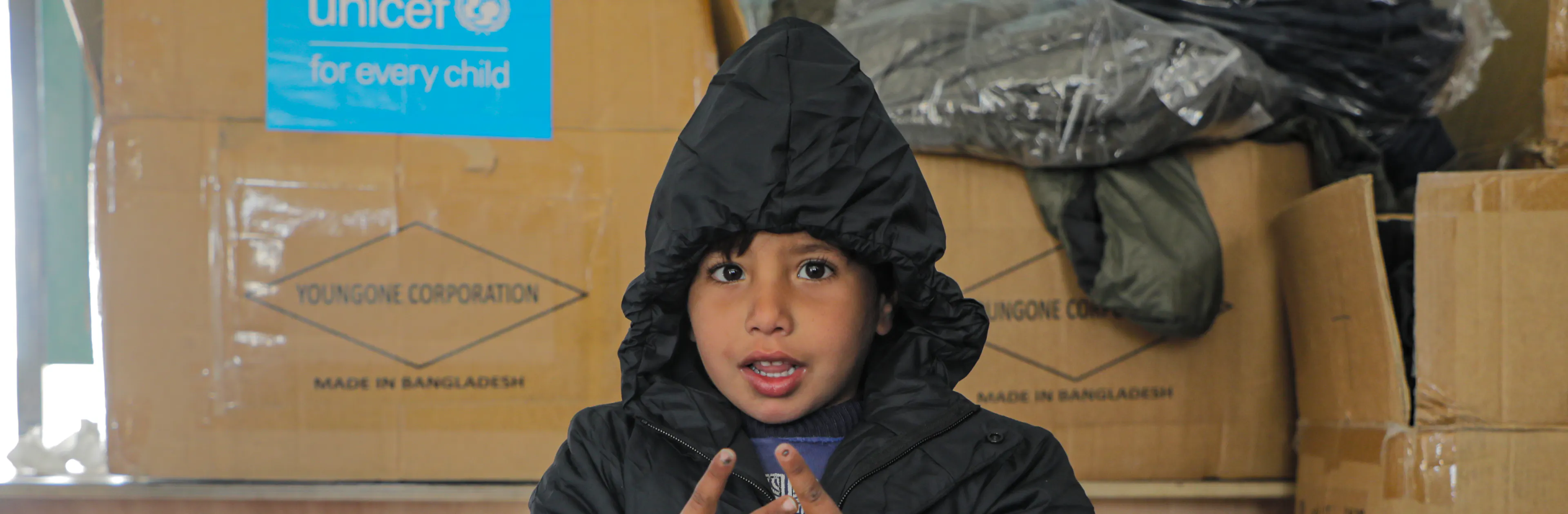
Material hardship: Making sure children have their basic needs met
What is the issue?
One child in every seven suffers from material hardship in Aotearoa. This is when children, families and whānau can’t afford the basic things they need to be healthy, safe, warm, and able to take part in everyday life. For tamariki Māori the number is one in four; for Pacific children, one in three; for disabled children, one in four. StatsNZ
Children have a right to access their basic needs - food, clothes, school, health care, a safe place to stay and be warm, and transport to get to the places they need to go.

Why meeting basic needs matters this election
Every child has a fundamental right to grow up warm, well-fed, healthy, and secure. Yet in Aotearoa, too many children live in households experiencing material hardship. When whānau are forced to choose between paying rent, running heaters, or buying groceries, it is children who are missing out. Tamariki cannot vote for policies that lift household incomes or fix cold, damp homes. When deciding where to place your vote this election, consider which parties have credible, long-term plans to lower living costs, fix systemic inequalities, and guarantee that every child has the essentials to thrive. Make your vote count for children.
What are children saying about having their basic needs met?
“Sometimes you can’t afford what you need. Can’t afford experiences - camps and school trips, education, food - like if you have bad health because you can only afford the bad stuff, you’re never gonna get healthy.”
- Young person from Whangārei
“I want to say that every kid should get tidy clothes and books from school, and everyone should live [some] place and be with each other.”
- Mokopuna, Samoan and Tongan, age 9 years
"[I believe a solution is:] Financial support for parents that are really struggling with money, more support to lower income families.”
- Mokopuna, age 15-18 years
What does the research say?
14.3% of children in Aotearoa New Zealand lived in households experiencing material hardship. Stats NZ, Child poverty statistics: Year ended June 2025
A recent survey by Youthline, which surveyed 12–17-year-olds, showed that:
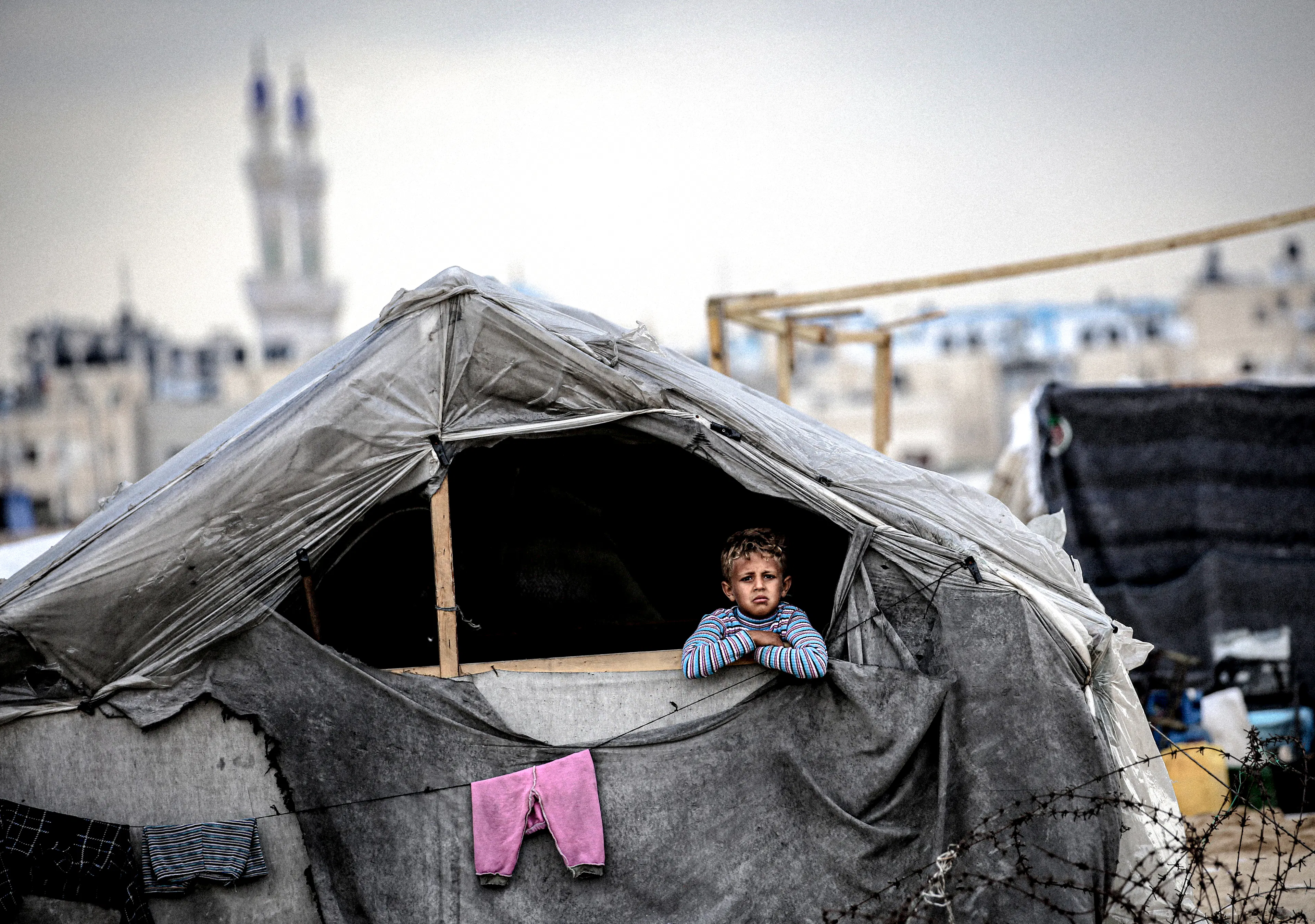
47% said they were worrying because parents/whānau are stressed about money.
39% were worried about missing out on activities because they cost too much.
21% were worried about their household not being able to pay bills like power, water, or internet.
20% were worried about not having enough food at home.
What can be done about it?
We want to see steps taken that help families and whānau afford the basics for their children and young people. We want to see our Government:
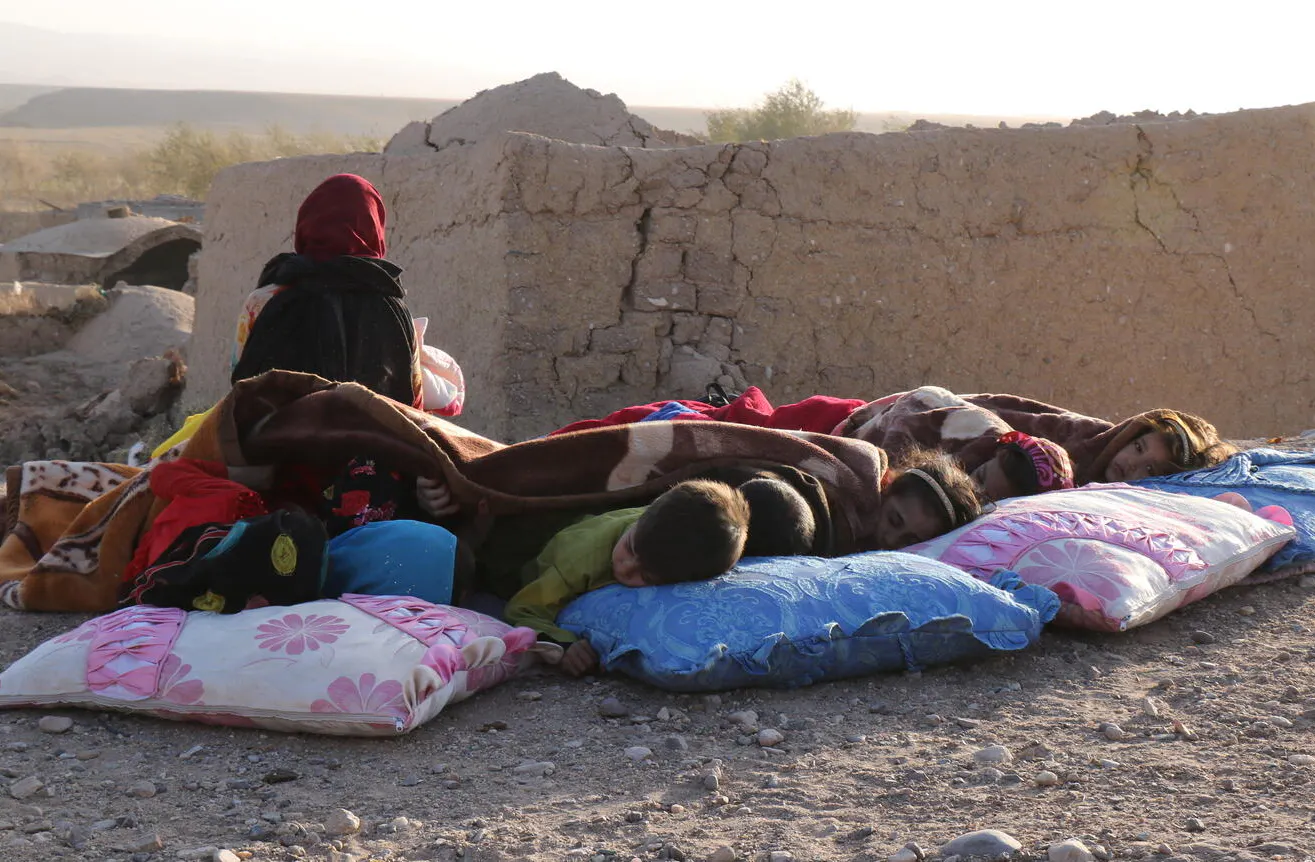
Ensure safe, warm, affordable housing is available.

Make it easier for children and young people to access the health and dental care they need.

Provide better support for families caring for disabled children and young people.
Listen to the issues children are concerned about and work with children and their families to improve access to basic needs.

Reduce the costs for basic household needs like energy, food and transport for tamariki and their families.

Lift incomes to make sure low-income households and families on the benefit have enough to cover their basic needs.
How can I start a conversation about material hardship in Aotearoa?
Make your vote count for children this election - make sure you are enrolled to vote - enrol here