Climate change: Building child focused climate resilient communities
What is the issue?
Climate change is changing childhood. It is impacting families, homes, schools, livelihoods, and making many of us worry about what the future will look like. Climate change is a direct threat to a child’s right to survive, grow, and thrive. Extreme weather events, supercharged by climate change, threaten the lives of tamariki, rangatahi and their families and destroy infrastructure critical to keeping them safe and well.

Why climate action matters this election
The climate crisis is a child rights crisis. Decisions made by our next government will determine the physical safety, health, and economic stability of the world our tamariki inherit—yet young people do not have a vote at the ballot box. From intensifying storms and flooding in Aotearoa to rising sea levels threatening our neighbours across the Pacific, political leadership over the next parliamentary term is decisive. As you consider your vote, examine how each party plans to cut emissions, invest in climate-resilient community infrastructure, and protect the right of future generations to a liveable, sustainable planet. Make your vote count for children.
What are children saying about climate?
“Climate change is a national and global issue and I think the Government has not done enough to resolve this issue as well as it being an important issue to youth and rangatahi considering it is one of our biggest and something that will affect us in the future.” Mokopuna Voices Summary Report 2021
Children and young people are asking Government for:
- Accessible climate education.
- Investment in and improvement of climate-resilient infrastructure.
- Support and prioritisation of the Pacific voice, knowledge, and experiences in shaping climate displacement, migration and resettlement policies.
- Provision of climate-resilient food access.
- Involvement of children and young people in decisions that affects them.
What does the research say?
Children are the least responsible for climate change yet will bear the greatest burden of its impact. A child’s right to education is at risk of interruption due to climate events.
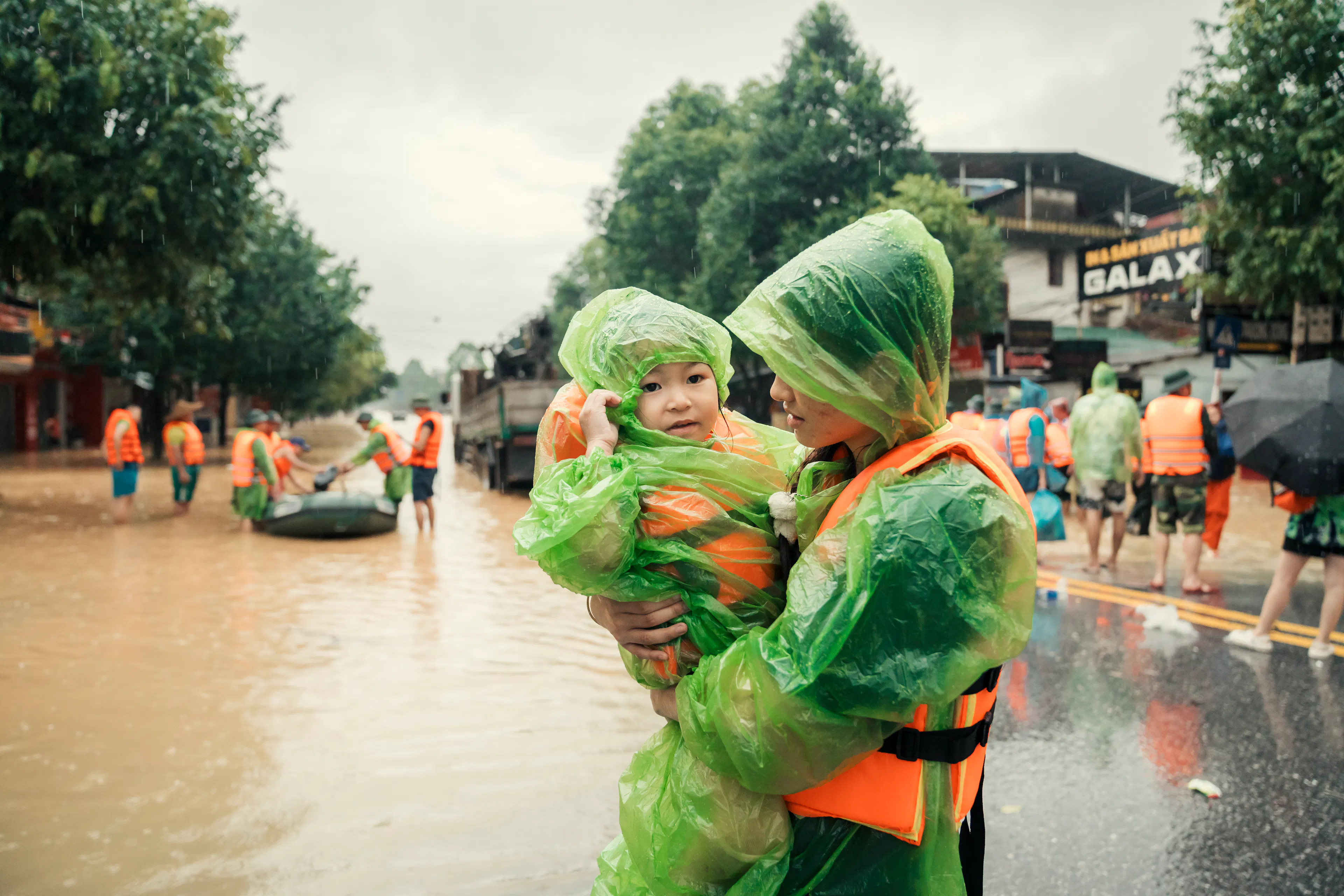
Globally at least 171 million students – from pre-primary to upper secondary education – experienced school disruptions due to climate events in 2025. At least 1 in 10 students had their schooling disrupted due to climate related hazards in 2025 (UNICEF – Global Snapshot of Climate-related School Disruptions in 2025.)
In 2024 in NZ, 31% of primary schools reported floods that affected school property, or student or staff access to school. With 44% of all schools (1,102 schools and kura) potentially exposed to the risk of flooding. (NZCER 2024 survey of primary schools)
What can be done about the impacts of climate change in Aotearoa?
Children and their futures must be at the centre of Aotearoa’s approach to tackling climate change and building climate-resilience. It’s critical that we listen to children and young people; they have a right to express their views on every issue. What our leaders do now will determine the safety of their future.
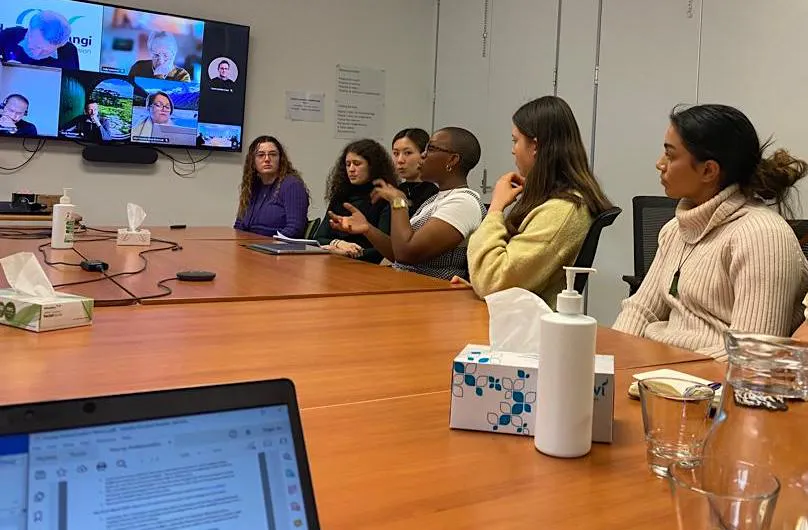
Prioritise children and young people in their plans to protect communities from climate change in Aotearoa.
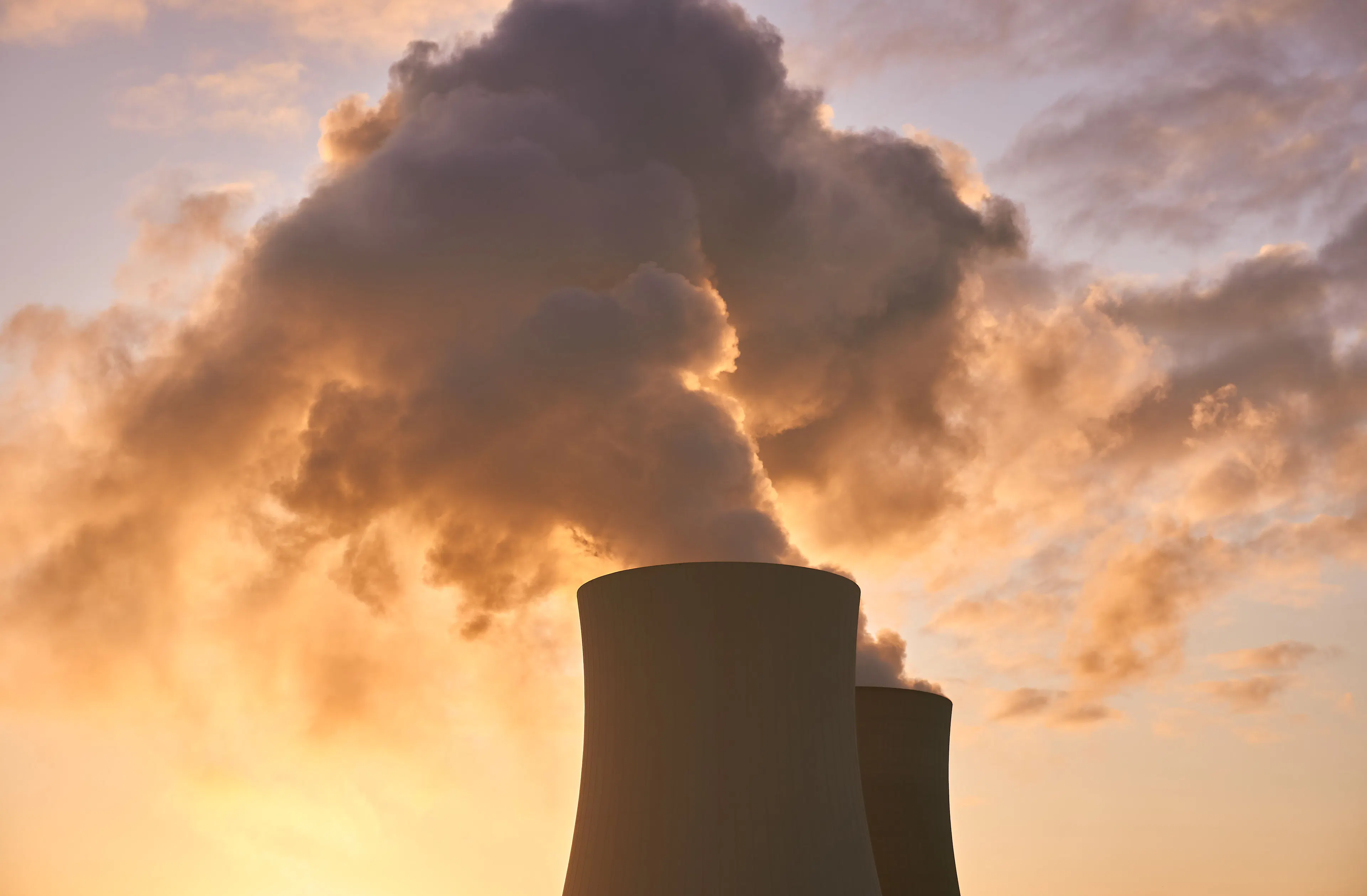
Make sure cities and towns are climate-resilient and less reliant on polluting fossil fuels, and help communities protect their food sources.
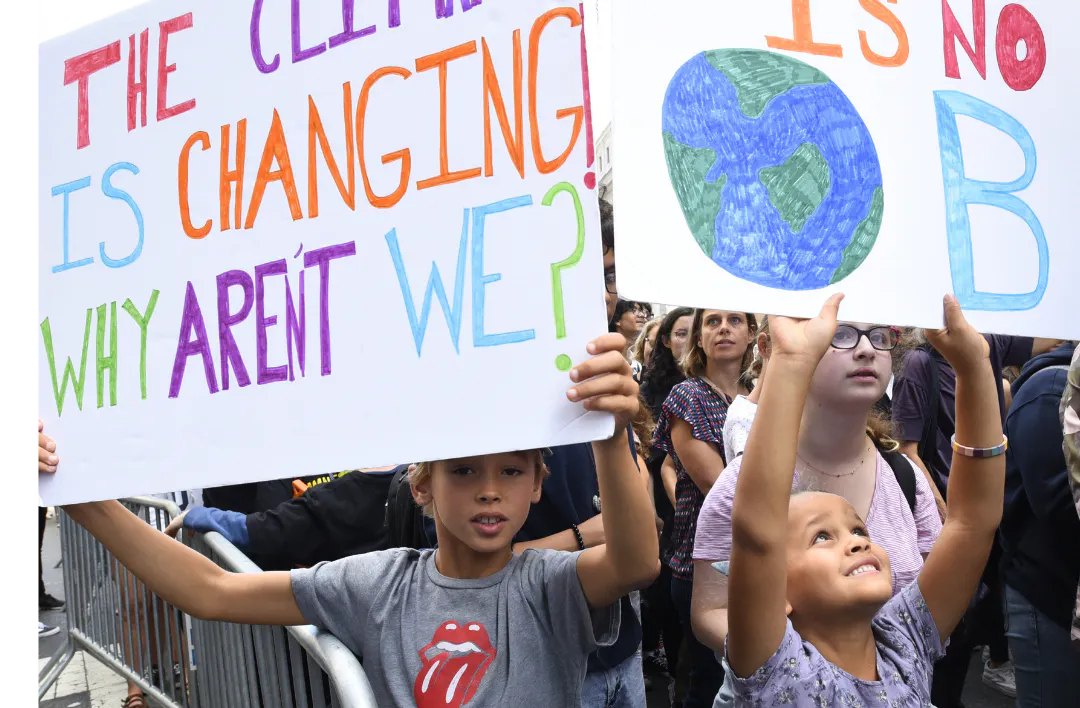
Develop climate policies that put children at the centre and listen to and address the issues children identify.
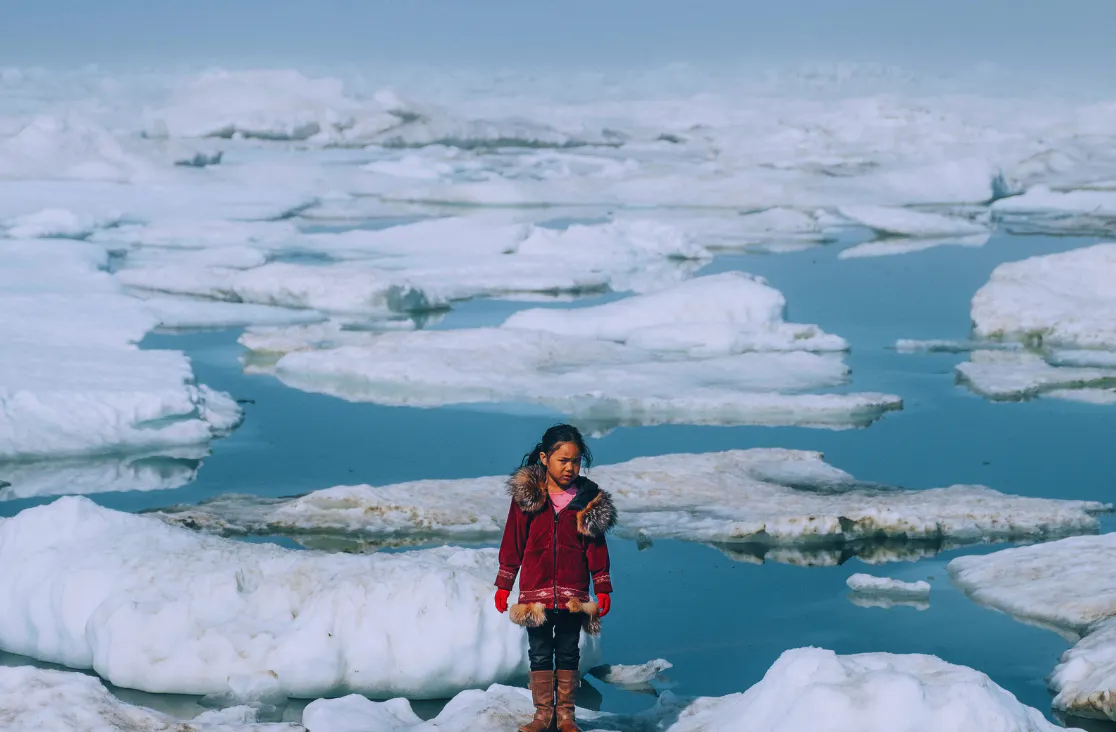
Make sure children are properly prepared for and protected from the climate impacts that are already with us and future climate impacts are minimised.
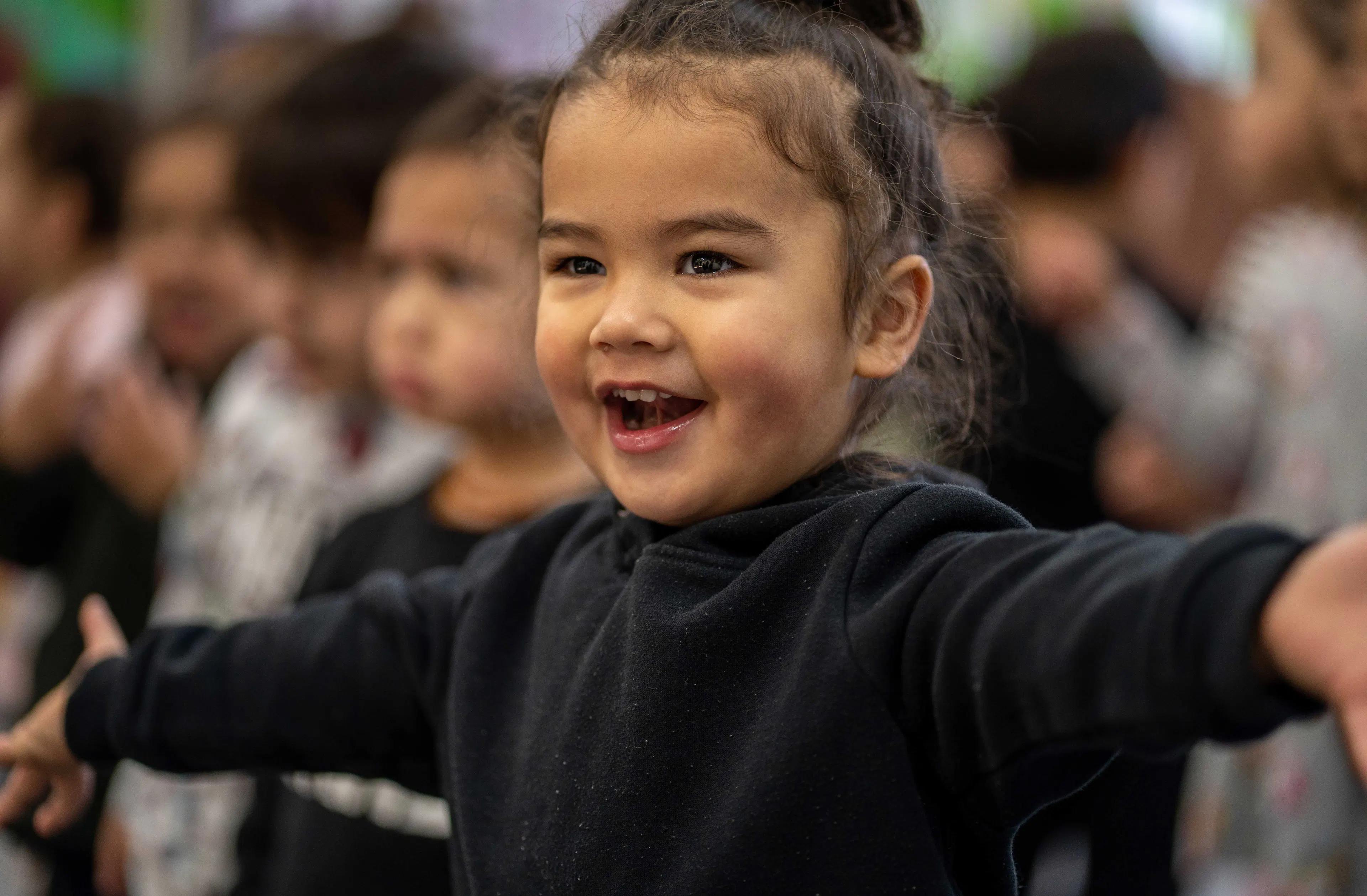
Support tamariki, rangatahi and whānau Māori to lead climate response and resilience in their communities.
How can I start a conversation about it?
Make your vote count for children this election - make sure you are enrolled to vote - enrol here