Your Impact in 2025
Let’s celebrate the hope you made possible in 2025.
2025 was not without its challenges; conflict, emergencies and global aid cuts. Despite these hurdles, life-changing support still reached children. Hope doesn’t happen by accident. Our donors' selfless support makes hope happen.
In 2025, you helped UNICEF achieve huge milestones and empowered children worldwide. On behalf of all these children, thank you. We’ve gathered some standout moments from 2025 to show you what your hope in action looked like.
Key statistics
Hope Lives in 2025
Ngā mihi nui ki a koe
In 2025 our donors have ensured that hope lives on despite global challenges. When you support UNICEF your support reaches children across the world, and right here in Aotearoa, New Zealand.
Your impact in 2025 is a reminder that hope lives here, hope lives abroad and hope lives in every story.

UNICEF is for every child, everywhere - and this includes the children of Aotearoa, New Zealand.
One of our missions is to raise awareness about child rights in New Zealand - which is as important as ever.
We saw real mahi in 2025 to raise the voices of our tamariki to those in power and our community to raise funds for children in greatest need around the world. UNICEF Aotearoa remains dedicated to honouring Te Tiriti o Waitangi as we continue to work with iwi, hapū, whānau and hapori Māori. In Aotearoa, your donations ensure that hope lives here.
Parliamentary Forum
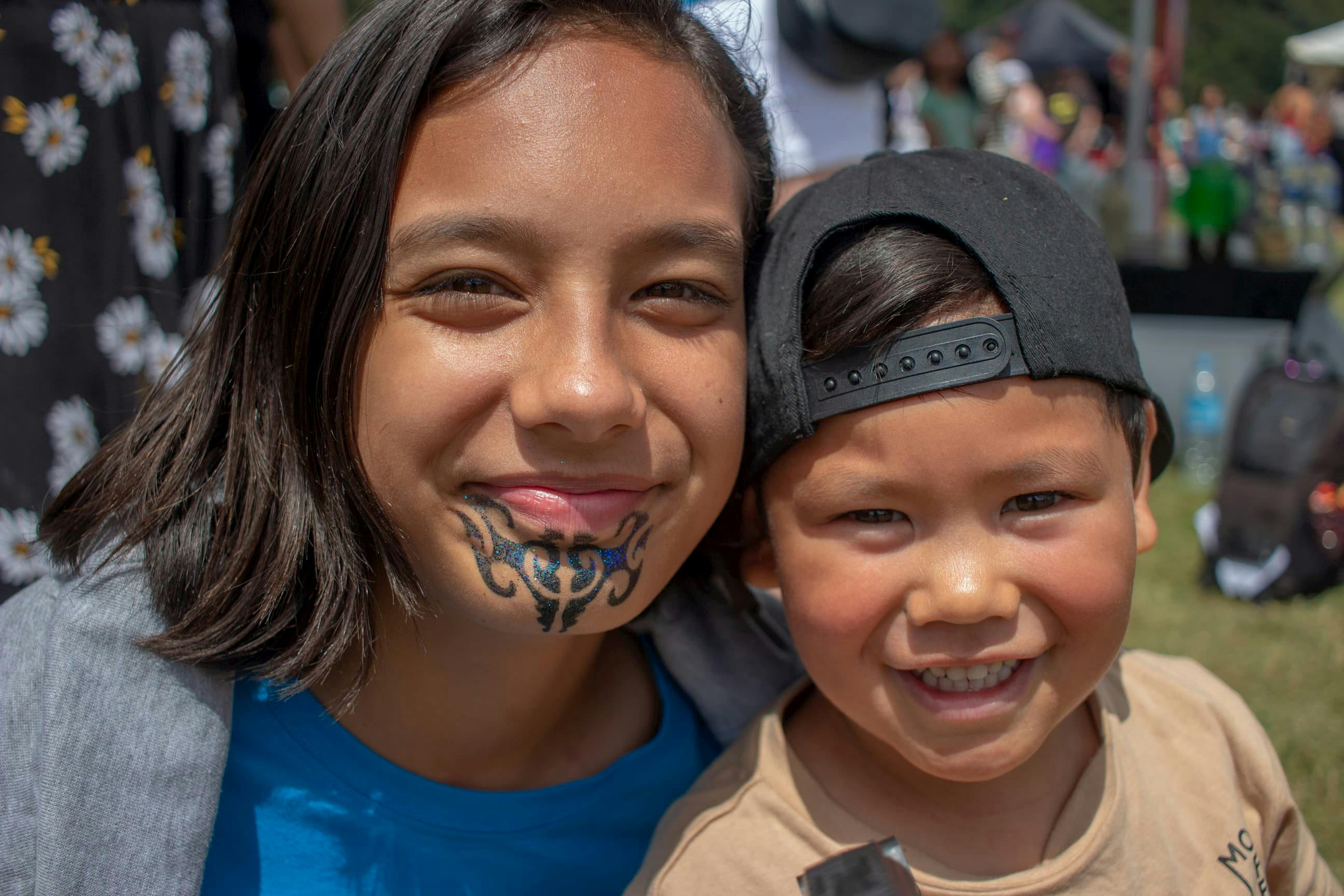
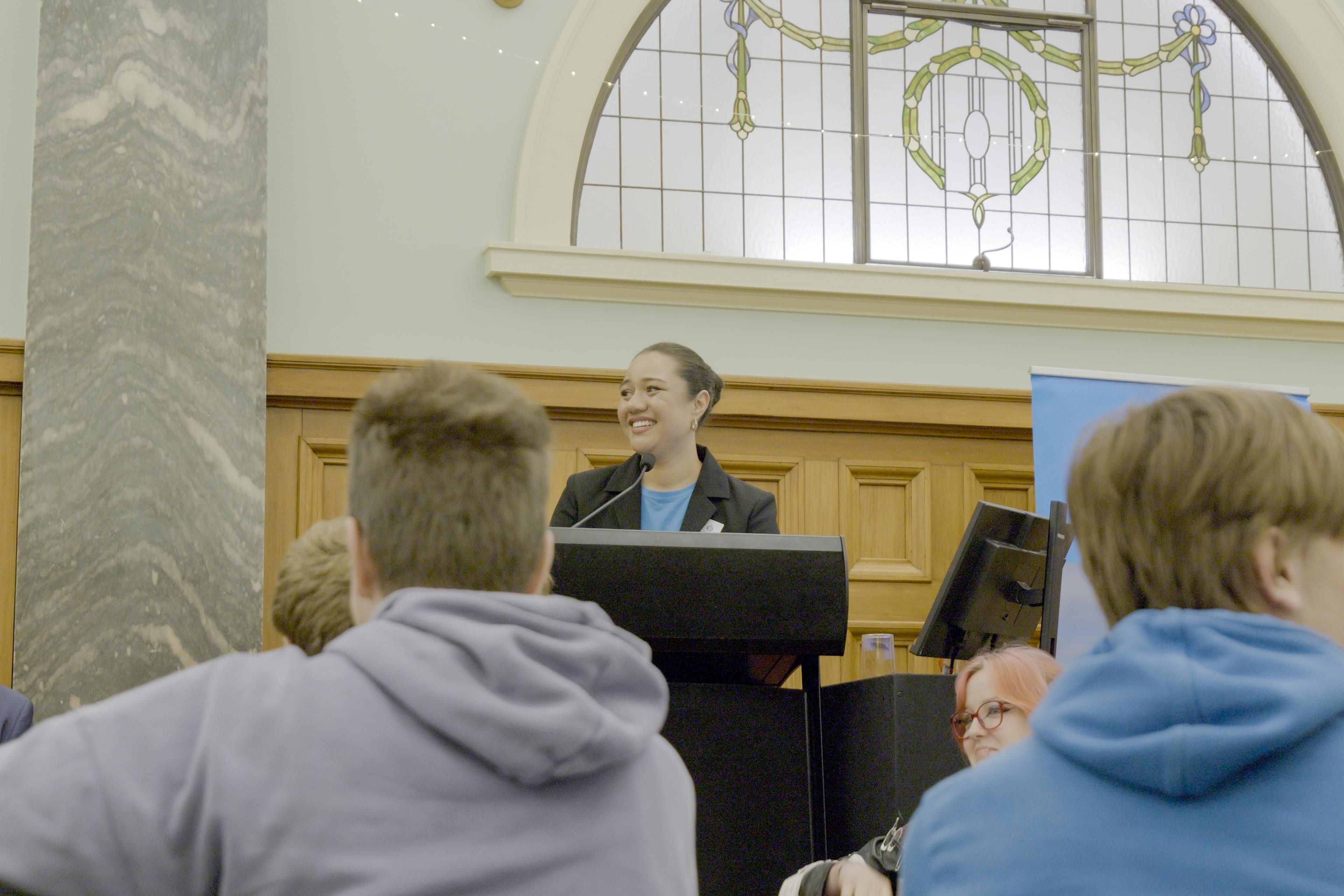
On 20 November 2025 – World Children’s Day – tamariki & rangatahi gathered in the Beehive to meet our politicians. This was an opportunity to raise their voices about their generation’s most pressing issue: climate action.
We gave tamariki and rangatahi the opportunity to submit patai to politicians. On the day, our nation’s leaders listened to Aotearoa’s youth talk about their present concerns and future hopes for New Zealand.
As one of our future leaders in the Beehive said; “If we don’t think about it now, it might be too late tomorrow”.
Everyday Heroes
2025 reminded us that Aotearoa is in no short supply of everyday heroes. Whether it's cycling across the motu, selling sweet treats, or simply sharing why UNICEF matters to you, every act strengthens this movement for children. If you’d like to get involved this year, jump over to our fundraising page and join a growing community that’s changing the world.
Cycling The Motu
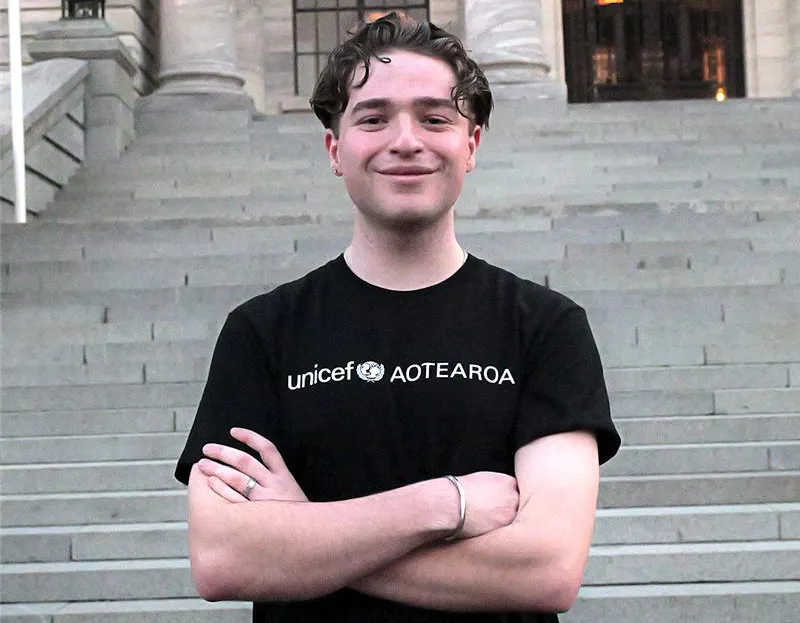
In February, UNICEF Aotearoa Young Ambassador Luca Zampese cycled the length of the country to raise funds for tamariki in Gaza. The Tour Aotearoa is a 3,000 km bikepacking expedition, and Luca set himself a goal of $3,000—one dollar for every kilometre pedalled. And he did it.
"This journey is not just about raising funds, but also about raising awareness of the dire conditions faced by these children. Every kilometere I cycle will be a reminder of the resilience and strength of the Palestinian people, and a call to action for those who can help make a difference. Together, we can bring hope and support to those who need it most.”
Sharing Your 'Why'
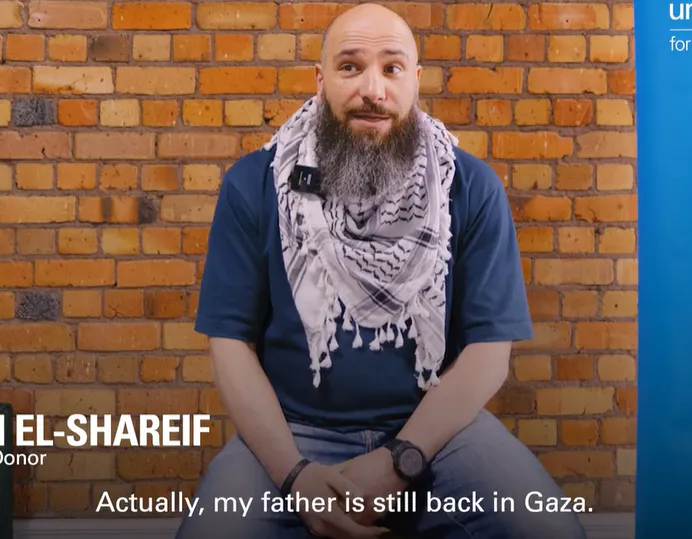
We put a call out to donors, to tell us why they continue to support UNICEF’s children of Gaza campaign - and boy, did you deliver!
“For every child — peace, protection, safety, and human rights.”
Rami is a long-term UNICEF supporter. Although he has lived in New Zealand for nearly 30 years, his heart remains in Gaza with his dad. After learning on the news that his family home was destroyed, he chose to hold onto hope—and to keep supporting UNICEF.
In 2025 he reached out to increase his monthly gift so we asked him to share with us his 'why'.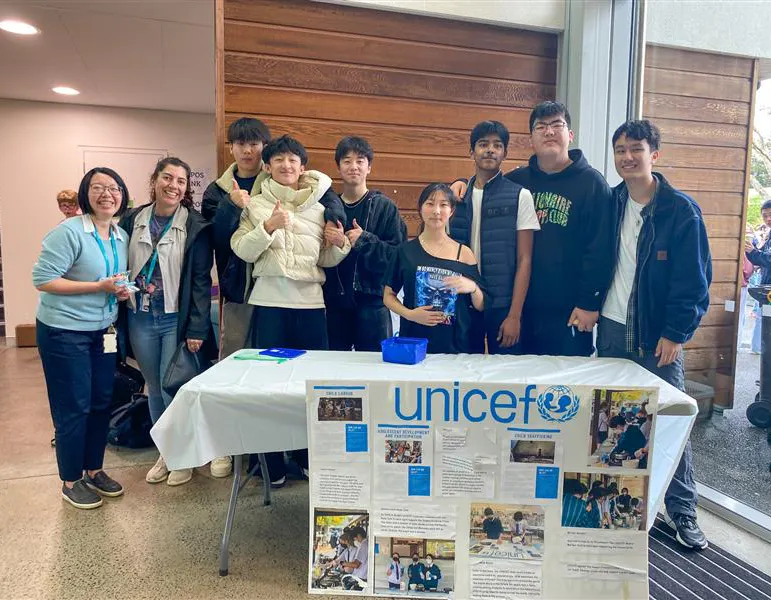
UNICEF Club at Kristin School
At Kristin School’s service market, the UNICEF Club sold 100 lolly bags in just 30 minutes—turning sweet treats into real impact for UNICEF. All year, these students have raised awareness through markets, quizzes, and creative competitions.
Their message to other schools: fundraising doesn’t have to be big to make a big difference. Every effort counts when it helps children around the world.
“Fundraising doesn’t have to be huge or fancy. It is simply about doing what you can to help kids who need it.”
Connecting With Our Community
Our community never fails to inspire us and 2025 was no different. Hearing from our donors and supporters reminds us why we do what we do. We see firsthand our donors' mana and aroha at these events - what a privilege!

International Women's Day
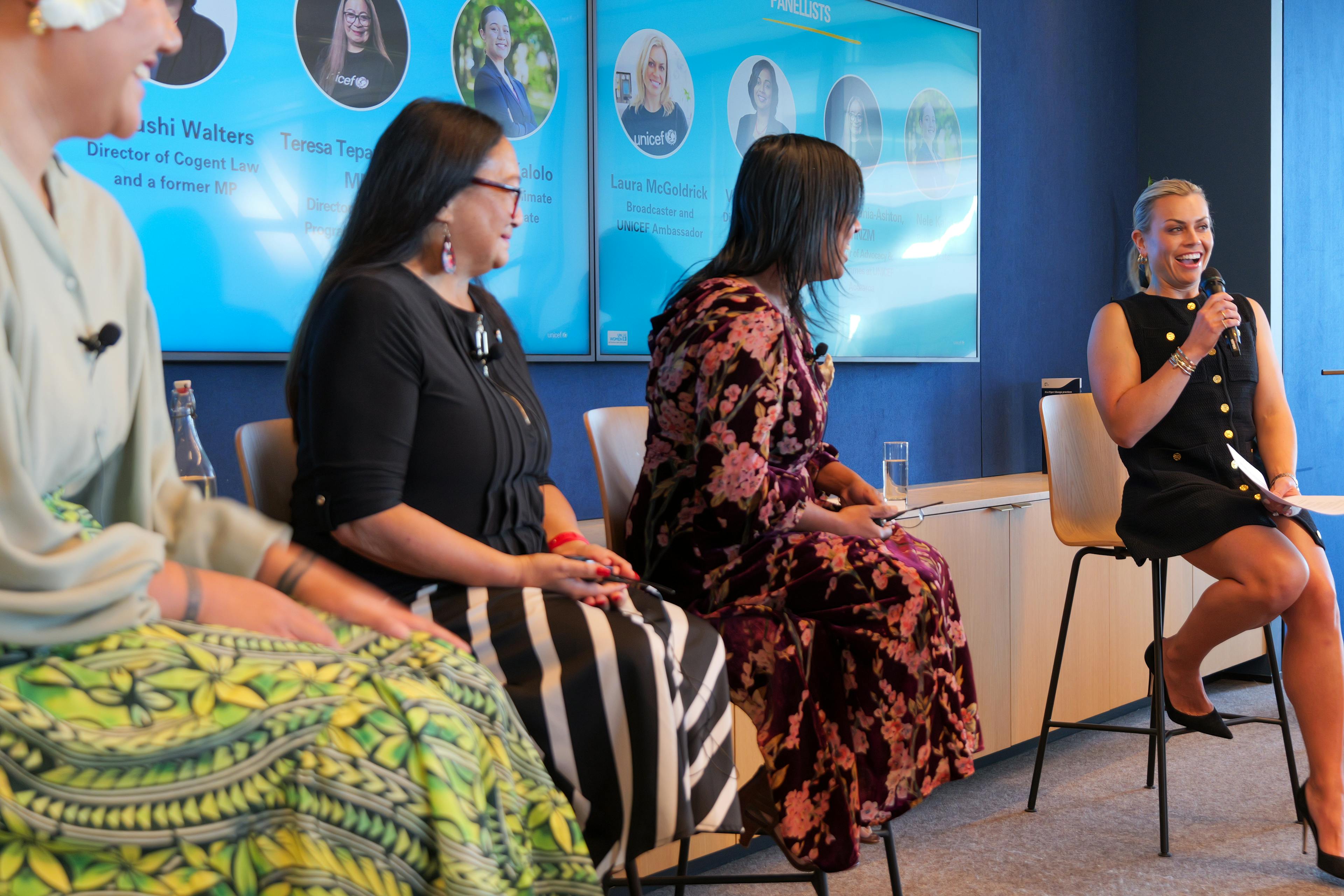
In March, UNICEF hosted a panel of industry-leading wahine in celebration of International Women's Day. Our host, Laura McGoldrick was joined by Cognet Law Director and former MP Vanushi Walters, UNICEF Aotearoa’s Teresa Tepania-Ashton, and educator and youth advocate Nele Kalolo. The discussion centred on the importance of celebrating women’s achievements and driving gender equality forward.
Their insights reminded us that while progress has been made, true gender equality requires global action. “Believe in your ability to change the world no matter how small your steps may seem. Embrace your unique journey, and remember that success is not a destination but a continuous evolution.” - UNICEF Aotearoa Director of Advocacy & Programmes, Teresa Tepania-Ashton.
Bonsai Workshops
Bonsai workshops continued in 2025 with our wonderful legacy donors—an experience that goes far beyond learning how to care for a beautiful plant.
Bonsai represents strength, longevity, and harmony. Those values mirror UNICEF’s mission: supporting children around the world and helping to build a better future for generations to come.
Legacy donors' commitment to UNICEF helps us reach new heights and deliver hope to children in Aotearoa and beyond - Ngā mihi nui.
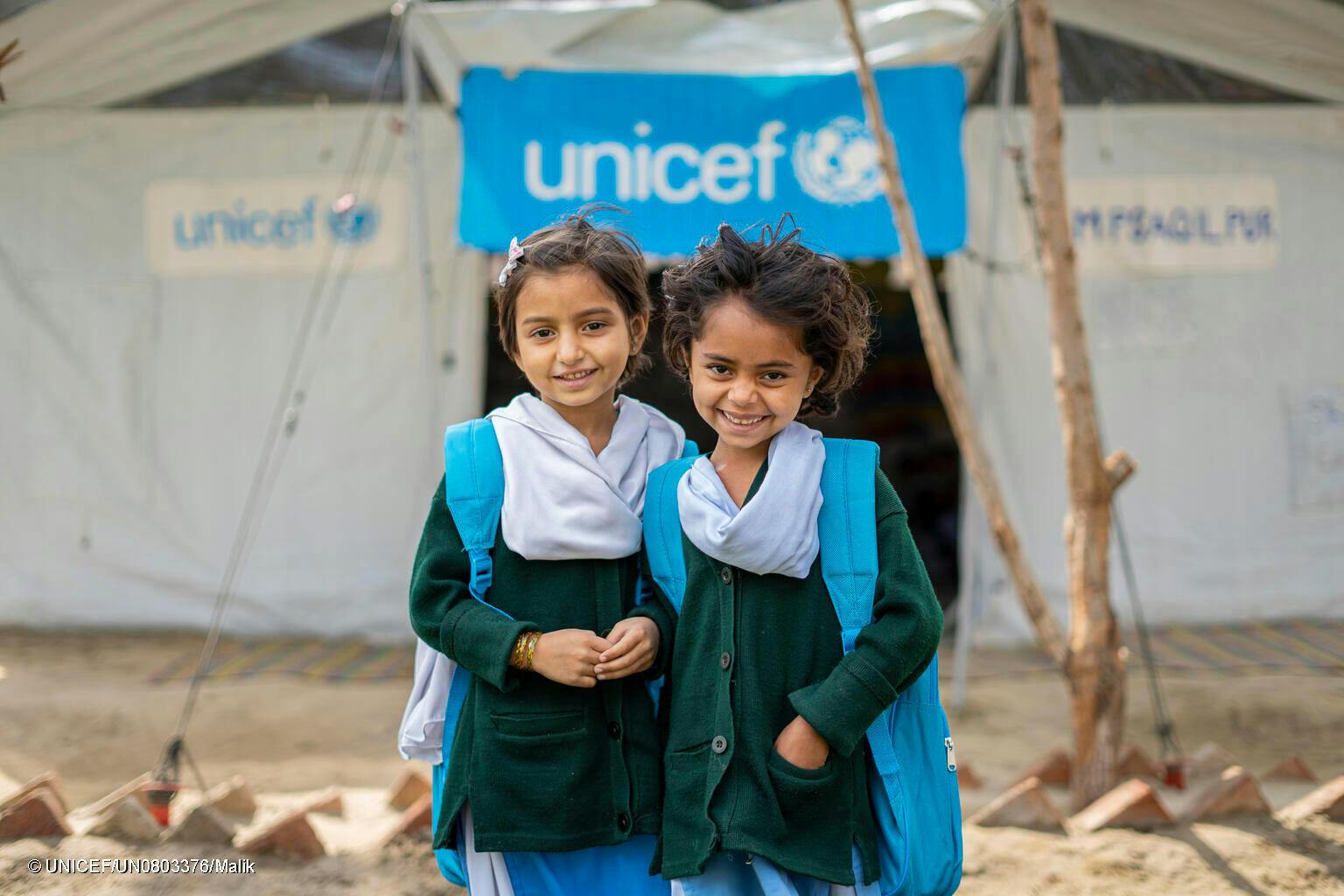
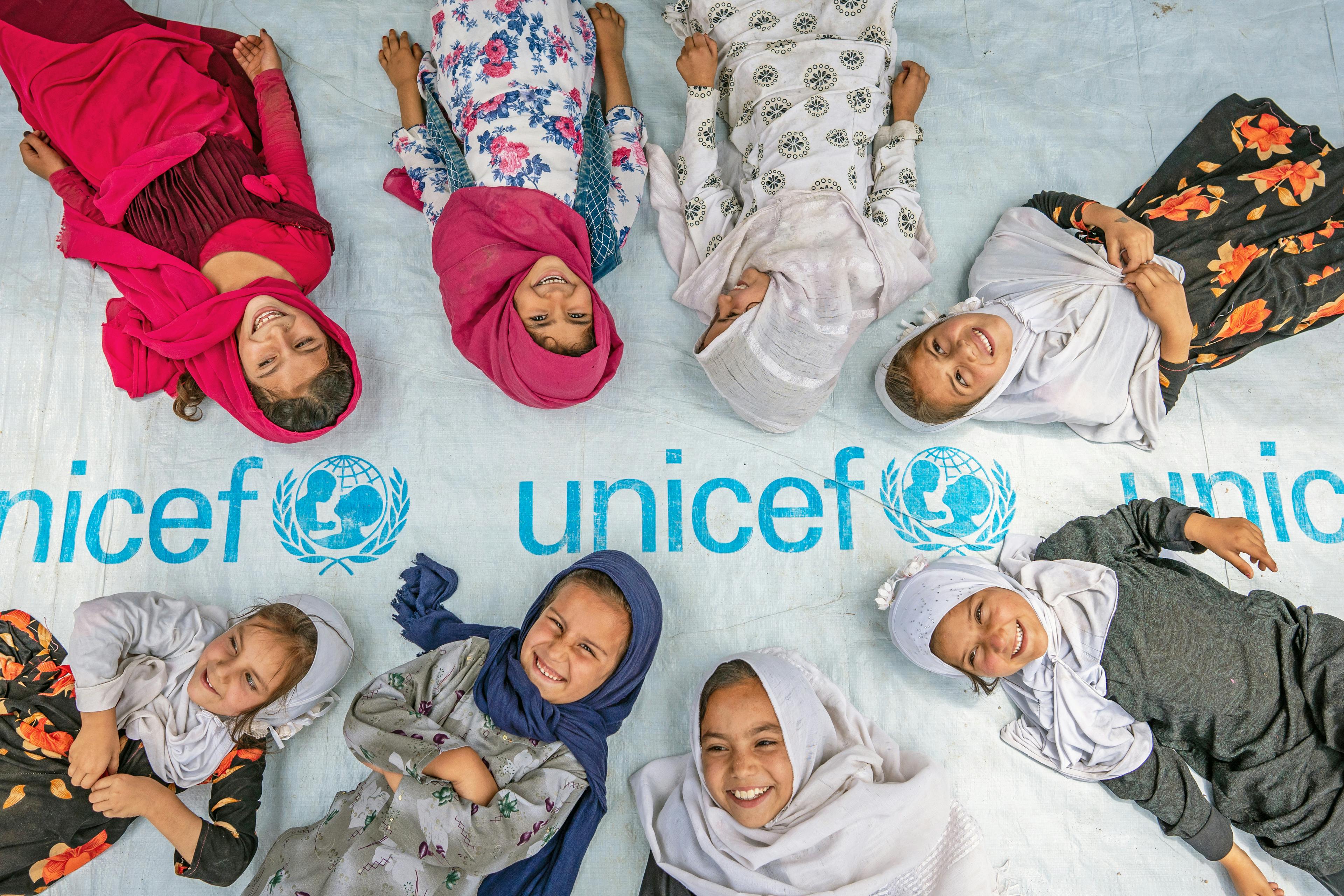
UNICEF works in over 190 countries and territories, delivering hope in the world's toughest places to reach where young people are in greatest need.
Day in and day out, our staff of over 17,000 people work tirelessly to protect the rights of children and ensure they have the basics of life. This is an enormous amount of mahi worldwide. Below is just a glimpse of the hope that our supporters spread globally in 2025.
The world is full of uncertainties but your support guarantees one thing - hope lives everywhere.

Polio Vaccination in Mozambique
Every year, UNICEF helps vaccinate almost half of the world’s children, giving them the chance to grow up healthy. This huge achievement is done through grit and determination.
How do we help vaccinate 18.2 million children against polio in just 5 days? In this video, we explain how UNICEF supports a nationwide polio vaccination campaign in Mozambique.
With every vaccination, we are one step closer to ending polio across Africa.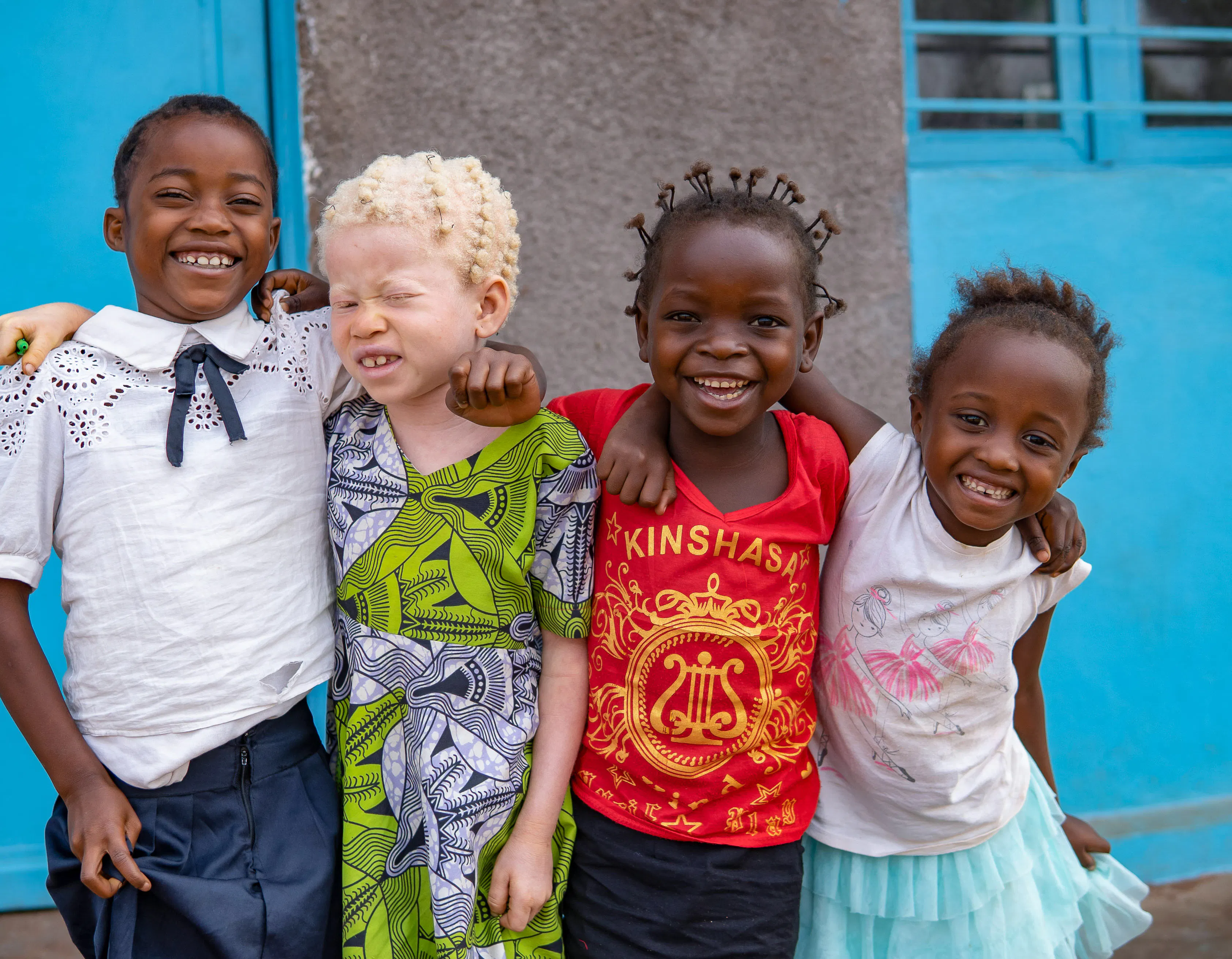
Gender Equality in the Democratic Republic of Congo
POWER4Girls is a programme that empowers girls in the Democratic Republic of Congo.
It is a partnership between UNICEF and Purposeful, an Africa-rooted hub for girls. They organise resources to reach young women, empowering them to make changes in their communities.POWER4Girls provide direct grants and mentorship for organisations led by young women and girls. UNICEF’s and Purposeful’s youth advisors are central to decision-making, from resource allocation to programme design.
Child Friendly Spaces in Afghanistan
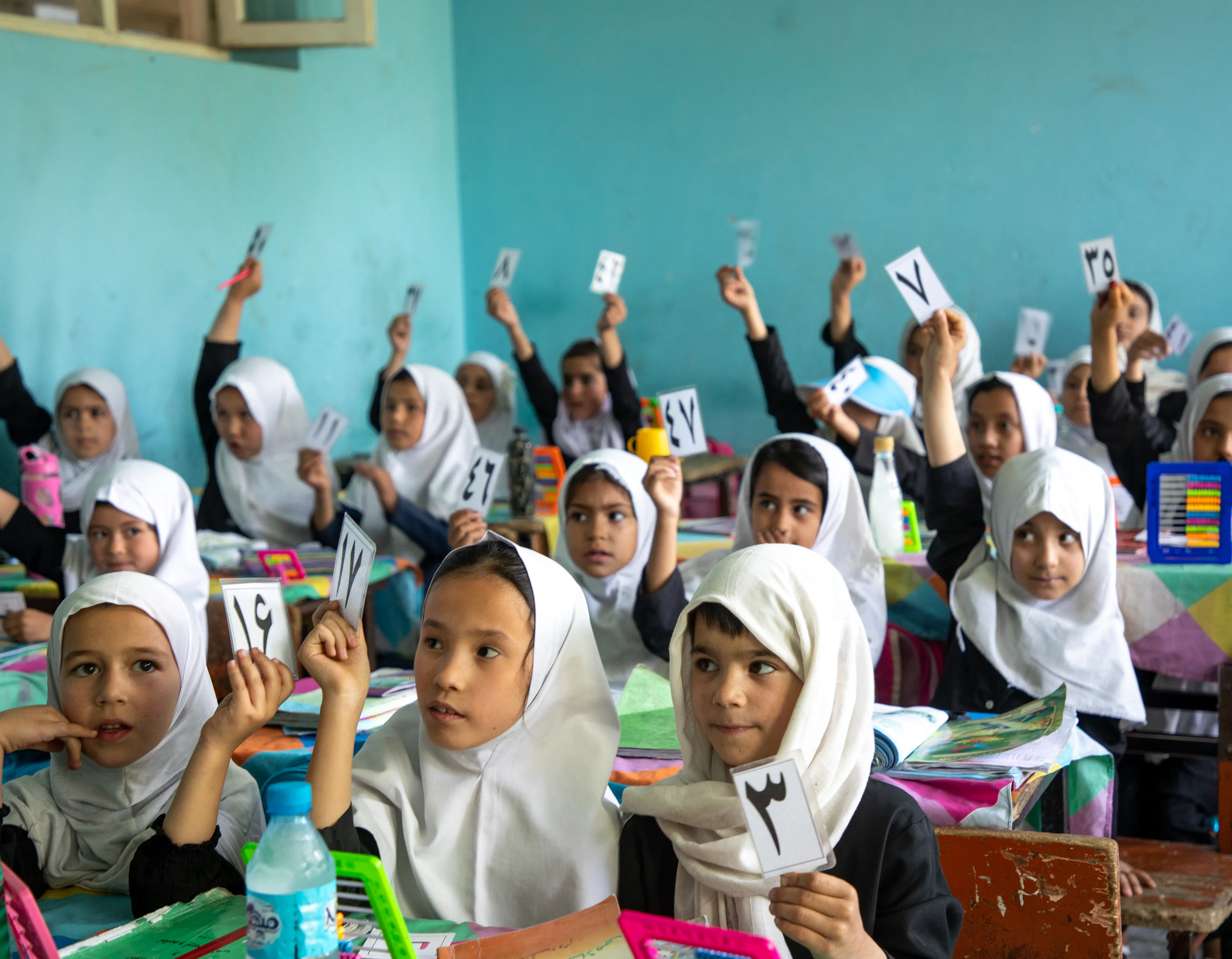
When a powerful earthquake rocked eastern Afghanistan on 31 August 2025, the damage extended beyond the immediate devastation of lives and homes lost. Thousands of children were displaced by the disaster.
We created child-friendly spaces to keep children physically safe but also to give them the psychosocial support they need. More than 2,300 vulnerable children have benefited from case management and referral services at UNICEF-supported child-friendly spaces. Over 13,500 children and caregivers were enrolled in recreational and psychosocial activities.
Health Care Centers in Syria
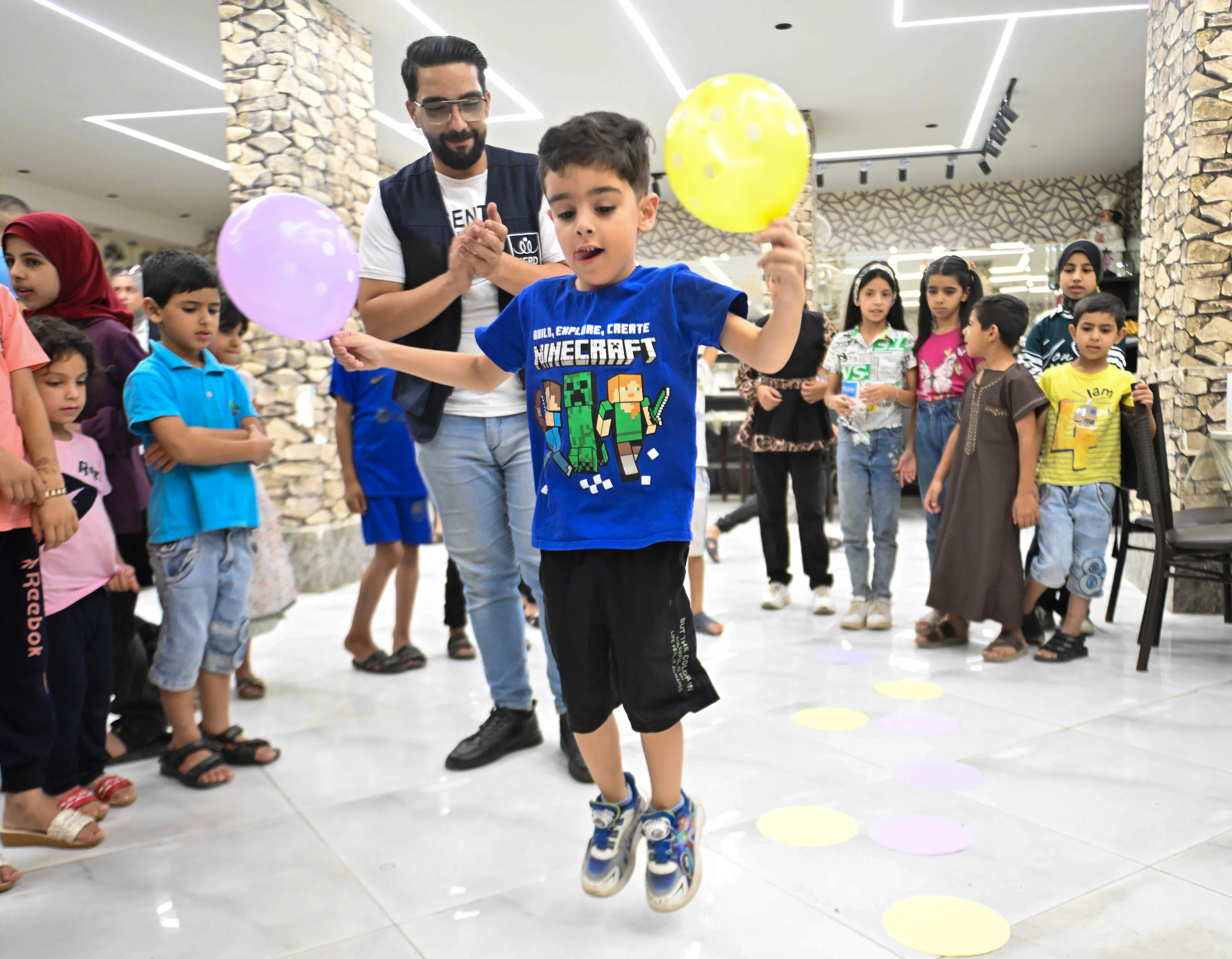
Syria saw seismic change in 2025. After fourteen years of conflict, the civil war has ended, and thousands of displaced families are beginning to return home. UNICEF is scaling up humanitarian assistance to reach those most in need. For the first time in years, a brighter future feels possible for Syria’s children.
While the situation remains volatile, we are making notable progress. UNICEF delivered nutrition services to 1.3 million people through 106 primary health-care centres and 170 mobile teams. We're continuing to deliver safe water & sanitation services to over 800,000 people across Syria.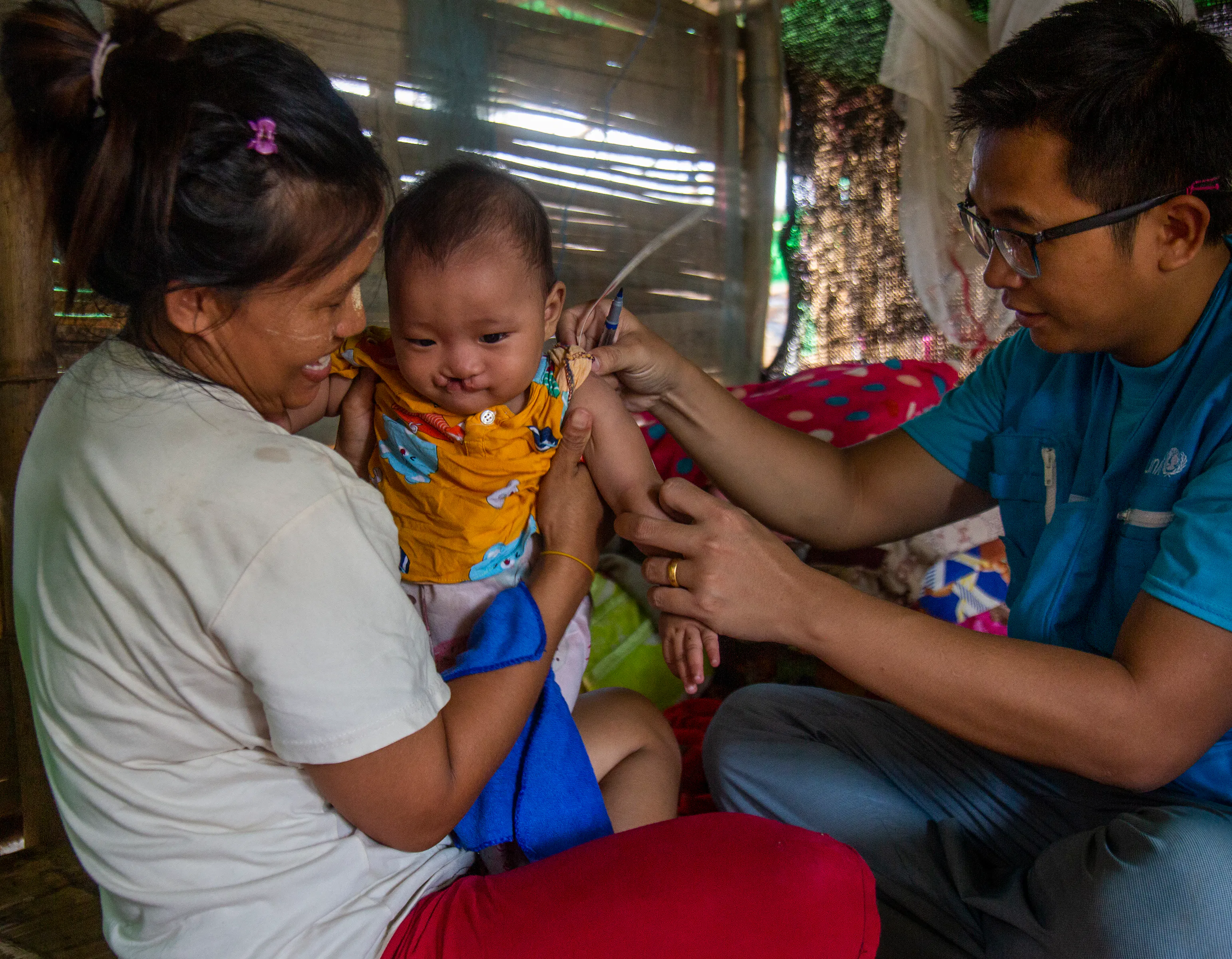
Emergency Response in Myanmar
Even before the earthquake in March, Myanmar was already in a dire humanitarian situation due to the ongoing conflict, previous climate-related disasters and economic hardship. The earthquake further deprived these communities of access to clean water and basic healthcare.
Within the first month, UNICEF achieved the following - over 565,000 people have been able to access safe drinking water with water purification tablets and water trucking. In addition, more than 300,000 people have received essential hygiene supplies. Health and nutrition services have been provided to over 400,000 people, including 50,000 children under five and 5,000 pregnant and lactating women.
The Pacific Islands
UNICEF has been providing aid to the Pacific for over 50 years and we're not done yet. One in ten children in the Pacific lack safe water. Diarrhoea, a completely preventable disease, remains the leading cause of death for children under five. The equation is simple: when water is safe, everything changes. Classrooms stay full. Disease fades. Girls can manage their periods without shame and remain in school.
It is this kind of work that rarely makes headlines, yet quietly reshapes the future of an entire region.
Dan Carter in Kiribati
In June, All Blacks legend and UNICEF Ambassador Dan Carter travelled to Kiribati, where he witnessed the quiet, determined work made possible by thousands of supporters back home.
He saw the positive impacts of water & sanitation infrastructure upgrades which in 2025 benefitted an additional 1,880 children across 10 schools.
This mahi is empowered by the DC10 Fund. This partnership between Dan Carter and UNICEF Aotearoa is delivering lasting, life-changing impact for children and communities across Aotearoa and the Pacific.

The Republic of the Marshall Islands
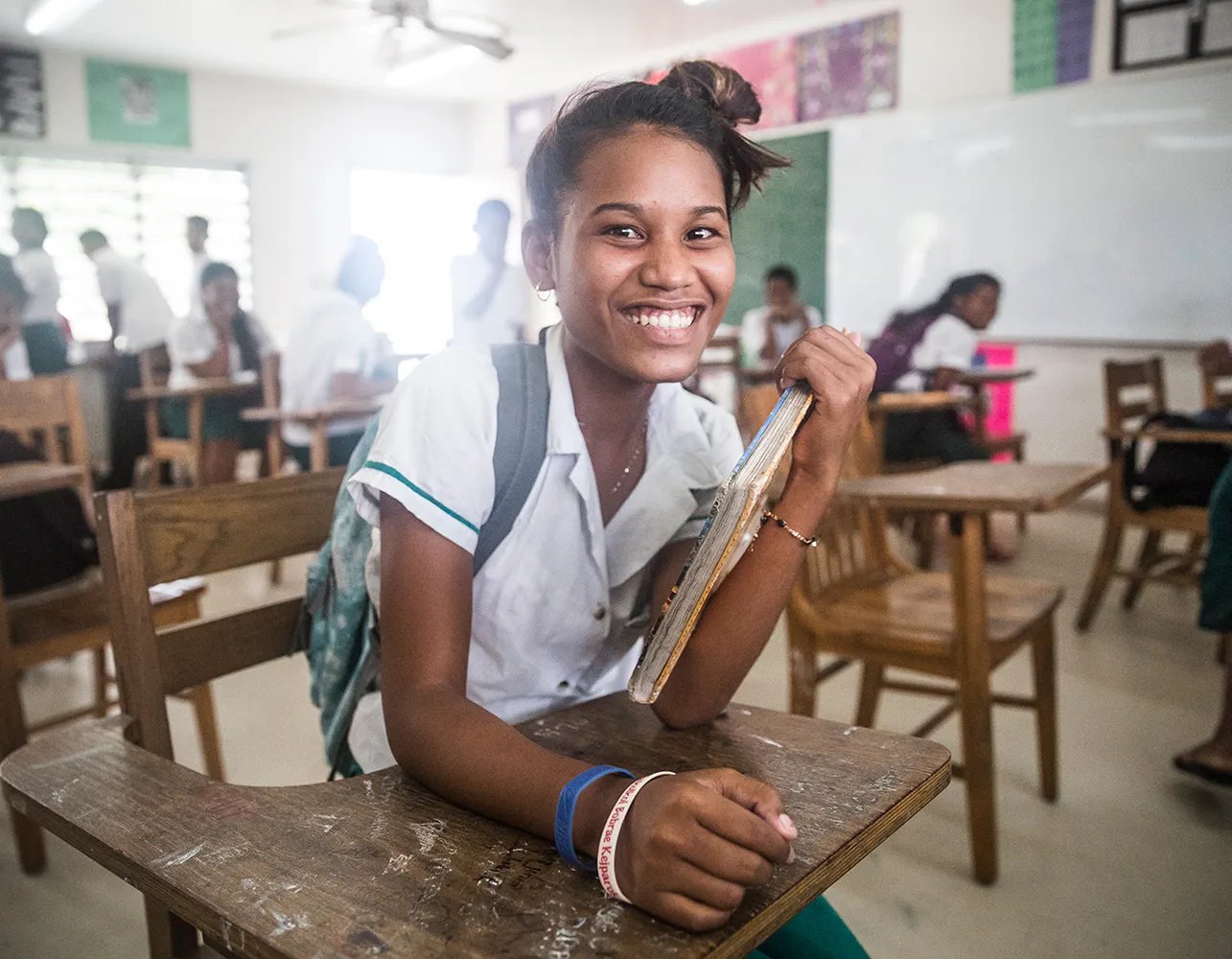
There was a major win in 2025 in the Republic of the Marshall Islands'. For the first time in history, every public elementary school will be powered and connected to the internet. This initiative brings life-changing access to even the most remote islands, ensuring every child can learn, no matter their location.This new initiative will increase education access by expanding solar power, internet access, and teacher support. Children no longer have to travel to larger islands to go to school which protects the rich cultural heritage of the smaller islands.
Vanuatu
The start of 2025 was very challenging for the children of Vanuatu.
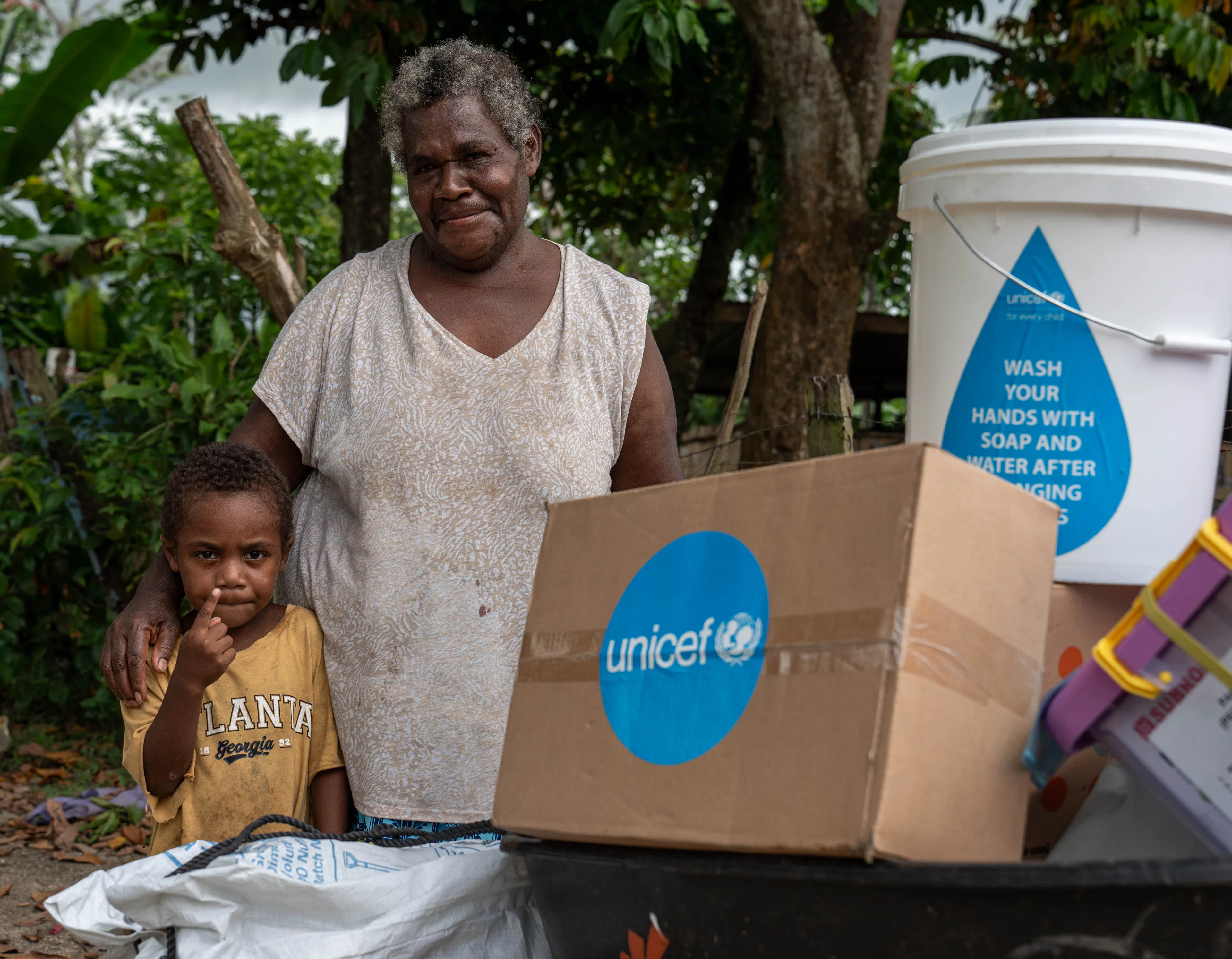
Still recovering from a devastating 7.3 magnitude earthquake, families faced a long road back to normal life. In emergencies like this, our response goes beyond immediate survival, we work to meet the full range of a child’s needs.Across Vanuatu, UNICEF delivered clean water, nutrition, education, and psychosocial support for children. We immediately dispatched 240 first-aid kits to the Ministry of Health, and set up temporary learning spaces, supplying schools with essential School-in-a-Box materials so children could return to learning as quickly as possible.
As with all emergencies, we are there for the children of Vanuatu before, during and after the earthquake.
Tonga
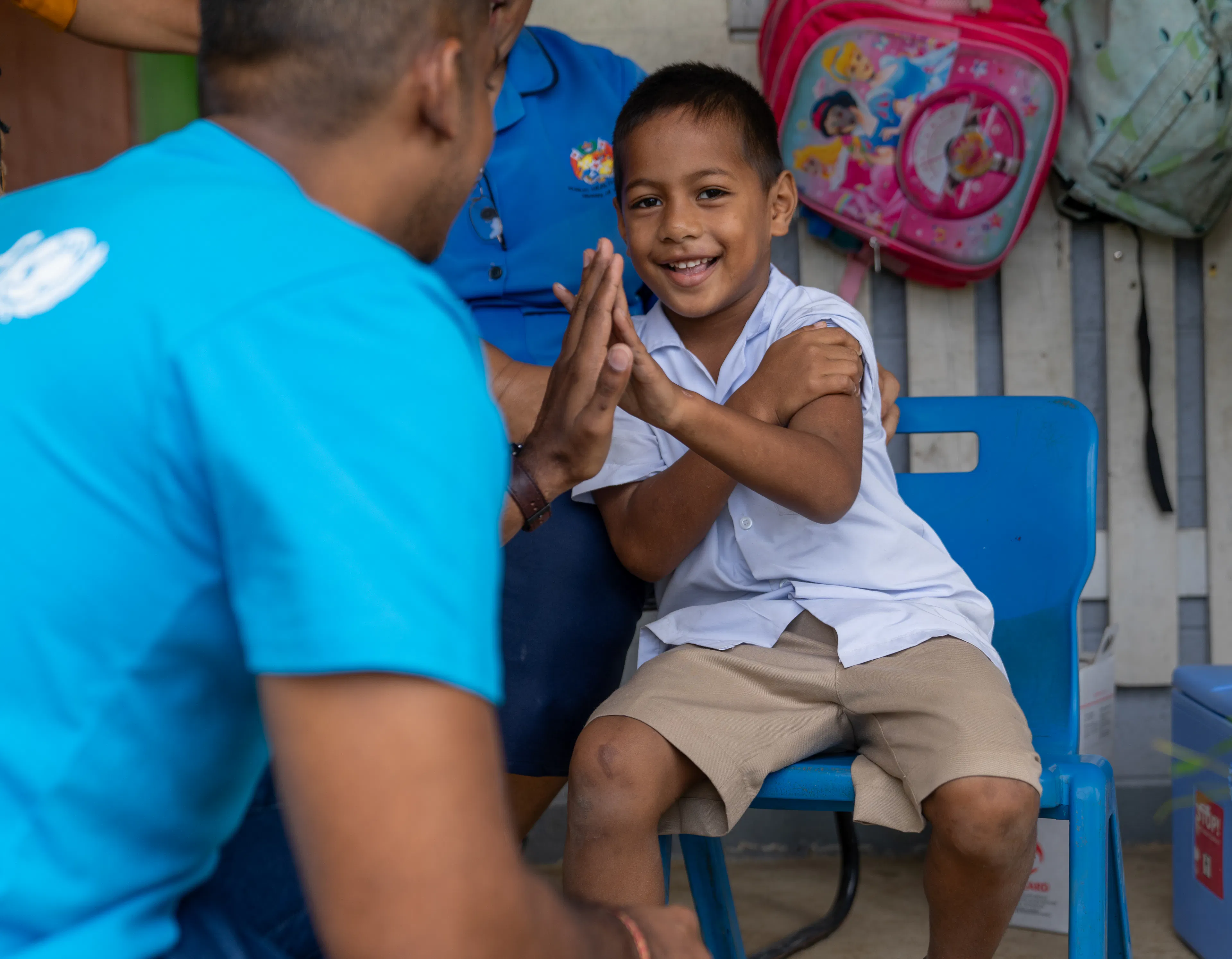
In Tonga, UNICEF is expanding access to early childhood education, giving young children the chance to build strong foundations for learning, confidence, and social connection from the very start of life.
While the value of early childhood education is not yet fully recognised by all families, UNICEF works closely with parents and guardians to demonstrate the lasting benefits these centres have for young children.
Our goal is simple: to see every child enrolled and thriving - because when we say leave no child behind, we mean it.
MFAT Partnership
The Ministry of Foreign Affairs and Trade continues to empower UNICEF to create lasting change for the children of the Pacific. The MFAT investment of $17 million is creating impact across these islands that will be felt for generations to come.
This partnership focuses on the core aspects of a child’s healthy development: early childhood care and education, access to clean water and sanitation and child protection. We share a vision of a better future for tamariki, where basic access to resources such as clean, running water, early childhood care and education and protection of child rights is a reality.
Together, UNICEF & MFAT continue to achieve so much for kids in the Pacific. And we're not done yet! We will continue to work on your behalf, to ensure that every child is thriving across the Pacific.

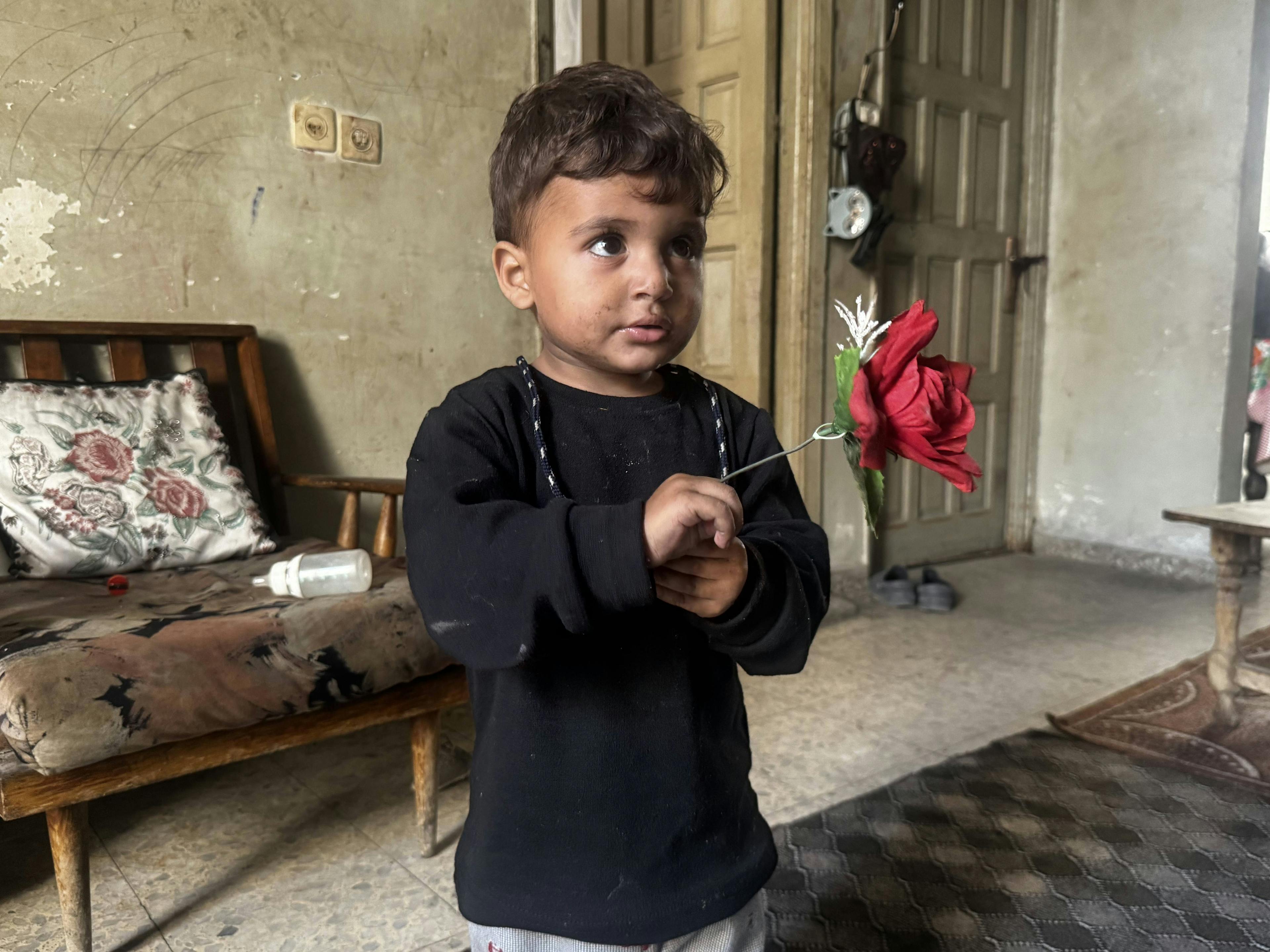
The Children of Gaza
2025 marked two years of conflict in Gaza. Two years of children enduring unimaginable conditions. Throughout the hostilities, UNICEF staff have remained on the ground to deliver the basics that keep children alive: safe drinking water, treatment for severe malnutrition, vaccines, education and psychosocial support.
The October ceasefire which began in October has allowed UNICEF support to surge across Gaza. Children are being reached with UNICEF trucks loaded with tents, nutrition supplies, essential medicines, learning materials and sanitation equipment. Still, we need to scale up our efforts. Creating a brighter future for the children of Gaza is an uphill battle but UNICEF is more determined than ever.

Over 1.6 million
people received access to safe drinking water

Over 2 million
people reached with humanitarian supplies and support

Almost 600,000
people reached with humanitarian cash transfers
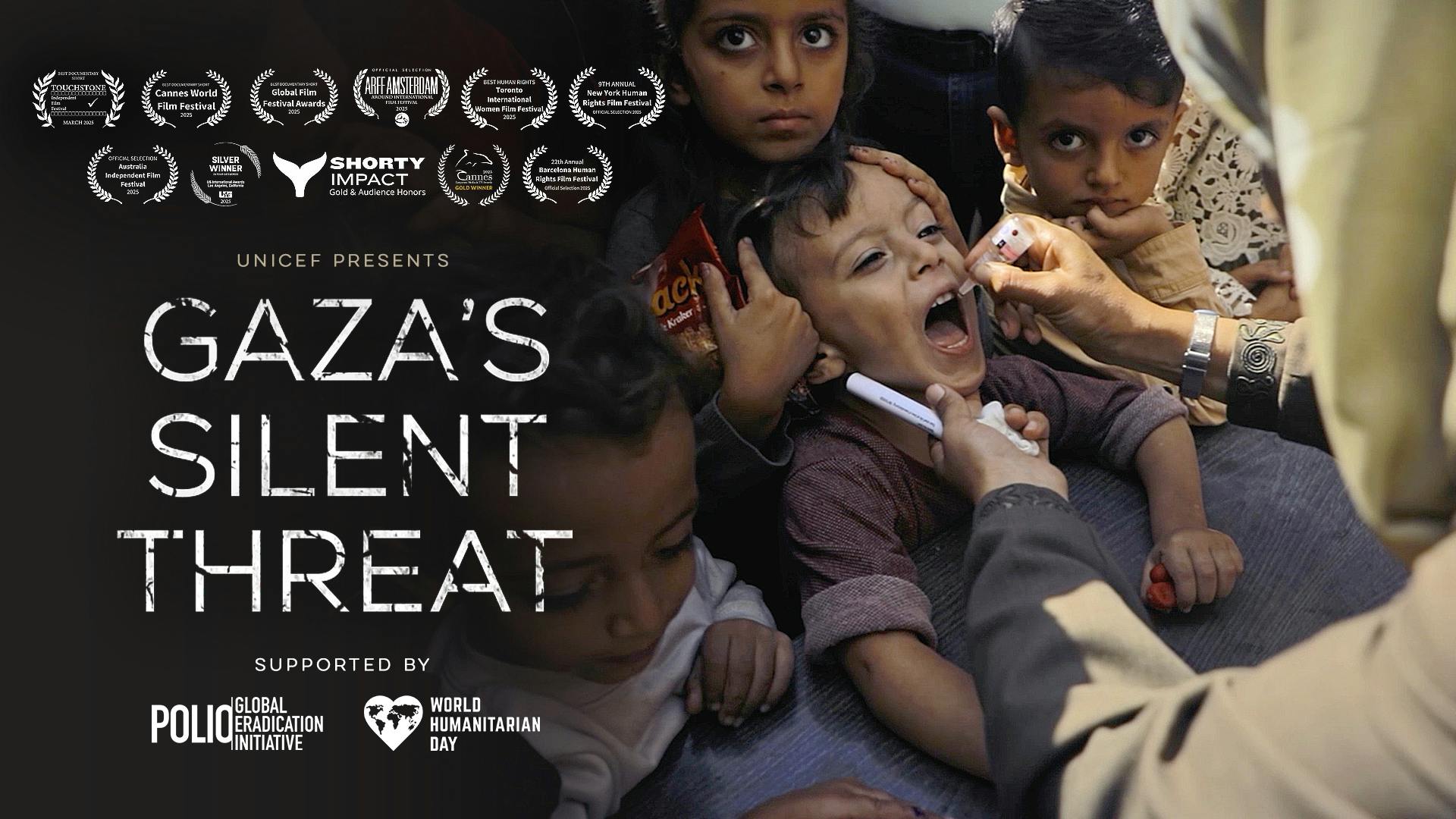
Gaza's Silent Threat
UNICEF released an award winning documentary in 2025 about two inspiring health workers under taking a very important mission in Gaza.
We put together a collection of reactions to the powerful story from some leading figures on public health, current affairs and humanitarian work.
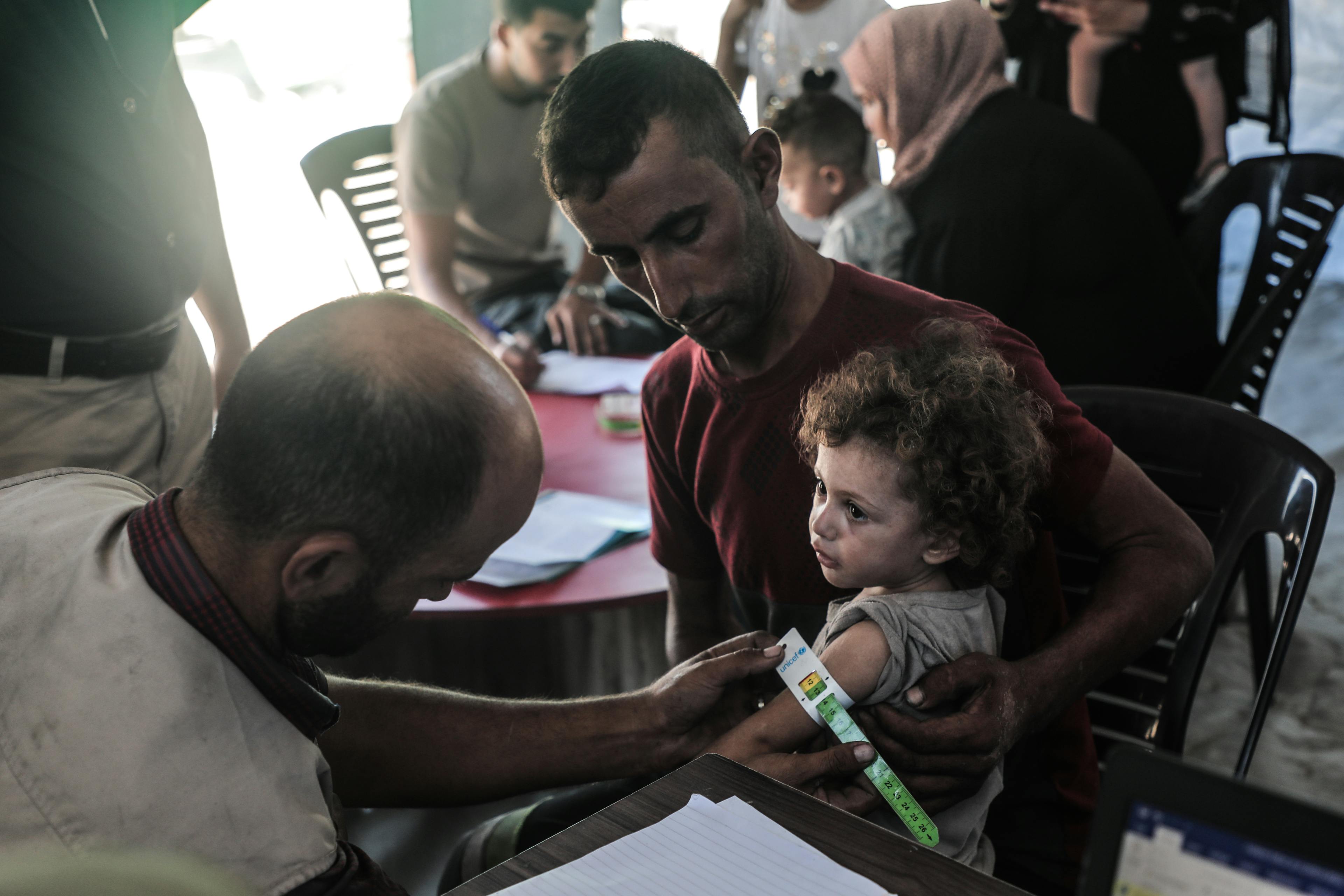
UNICEF Famine Response in Gaza
In August famine was confirmed by the Integrated Food Security Phase Classification. More than half a million people in Gaza were trapped in famine, marked by widespread starvation. The number of acute malnutrition treatment points has increased from seven to 26 since the ceasefire. Thanks to UNICEF staff, more malnourished children are accessing life-saving services which is driving down the threat of famine.
While the risk of famine is decreasing, high levels of malnutrition continue to endanger the lives and wellbeing of children in the Gaza Strip.
We remain determined to reach every child in Gaza with the nourishment they need. However, the distributed supplies are not being replaced quickly enough with the significant volume of winter supplies awaiting entry at the borders.
We call for the safe, rapid and unimpeded movement of humanitarian aid into the Gaza Strip, in line with international humanitarian law.
Sudan
Sudan is home to the largest children's crisis in the world. More than two years later, the conflict continues to threaten the health and well-being of Sudan’s 24 million children, pushing already vulnerable families deeper into hardship.
Despite the difficult humanitarian situation, UNICEF remains on the ground acting as the last line of support for many children.
Thanks to our amazing supporters, UNICEF has reached millions of children and their families with safe drinking water, health supplies and nutrition screenings, while also providing psychosocial support, safe spaces for learning and routine immunisations.
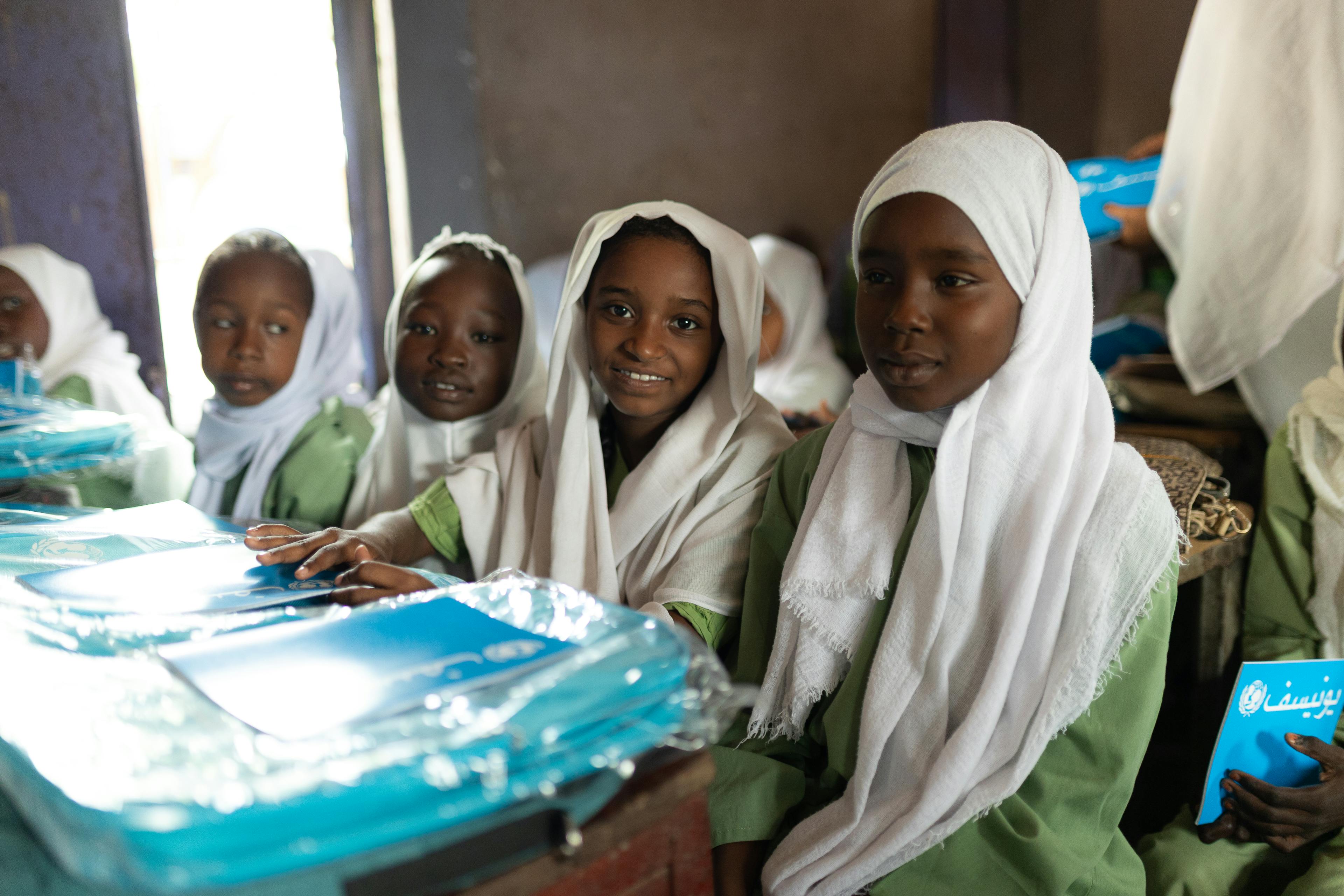
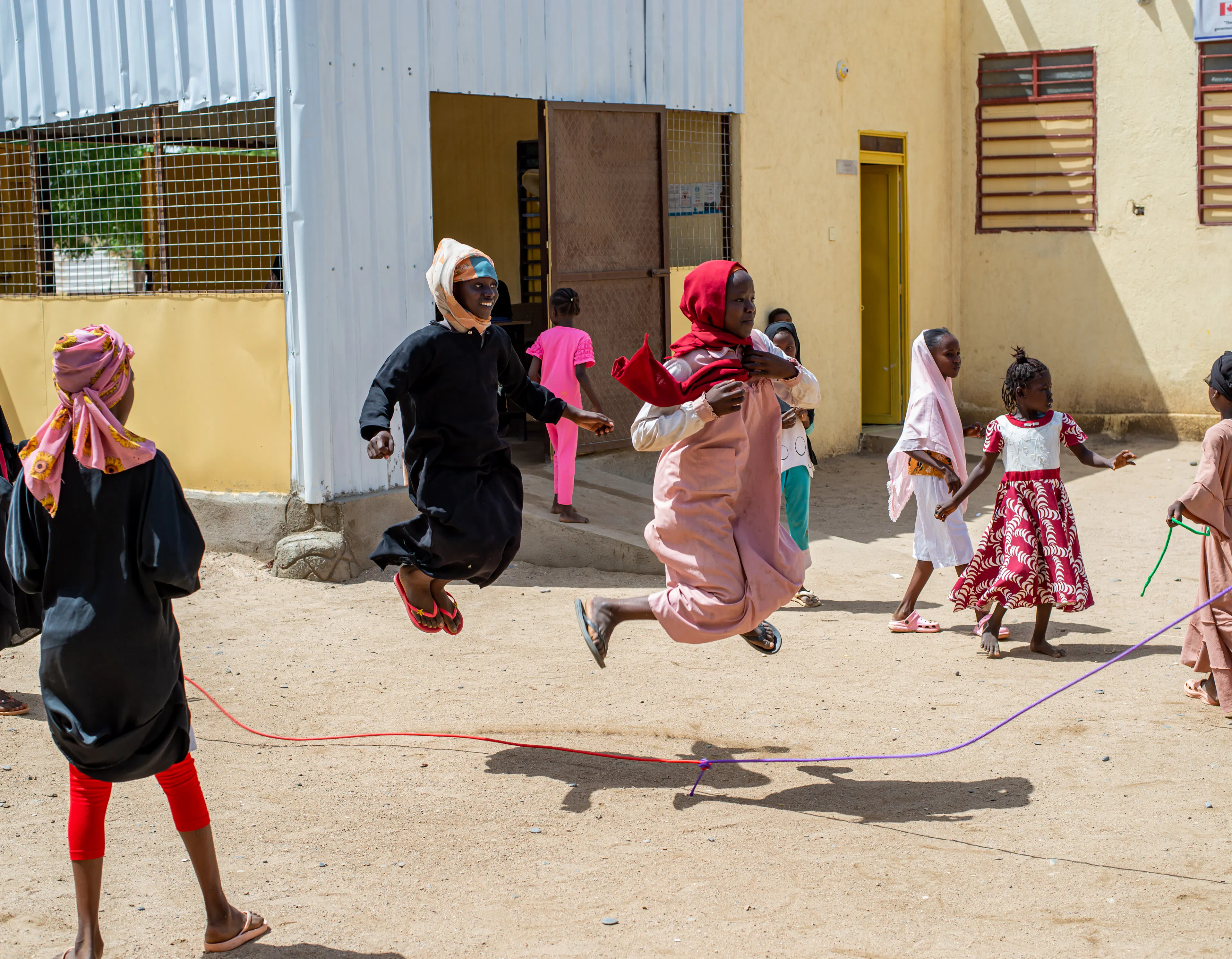
Women's Centre
In times of conflict and crisis, women and girls face a heightened risk of violence and abuse.
UNICEF along with it’s partners opened a women and girls’ centre - the first of its kind in Kassala State in Sudan. The centre brings together over 60 women and 40 girls daily. It has quickly become a safe haven where they seek safety, heal and empower each other.
The centre also works to raise awareness on gender-based violence - what it is, why it happens, how to prevent it, and what steps to take if it does, including seeking medical care.
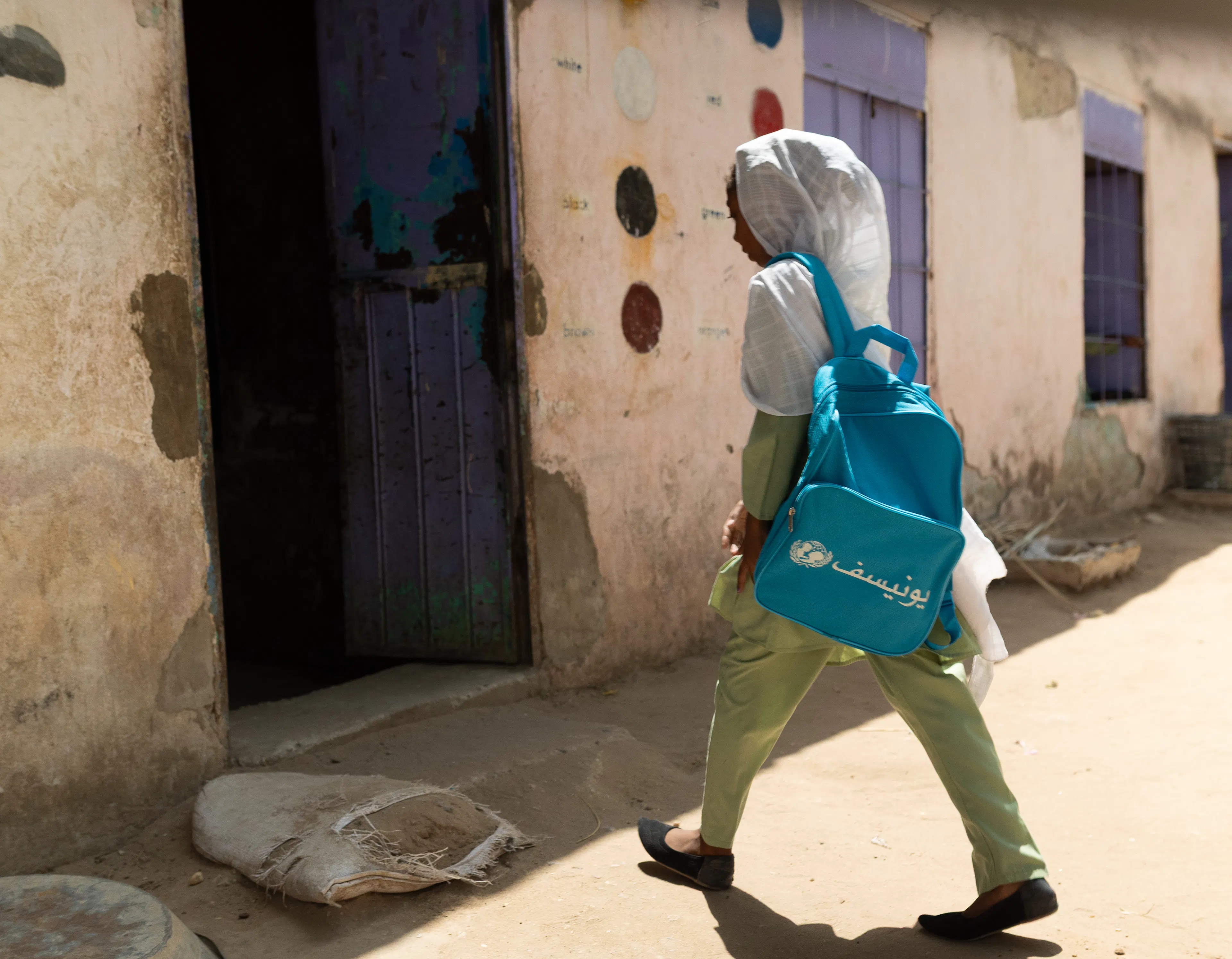
Education
UNICEF runs a back-to-school campaign for children across Sudan whose education has been affected by the conflict.
“The campaign is very important because it allows children to continue learning after more than two years away. That’s a huge learning loss,” Abdalla Dagot, UNICEF Education Officer.The girls’ school is just one of hundreds of primary schools across the state being reached through enrolment campaigns and learning supplies. Education is the foundation for building a brighter future for these children - we are determined that schools continue during this conflict.
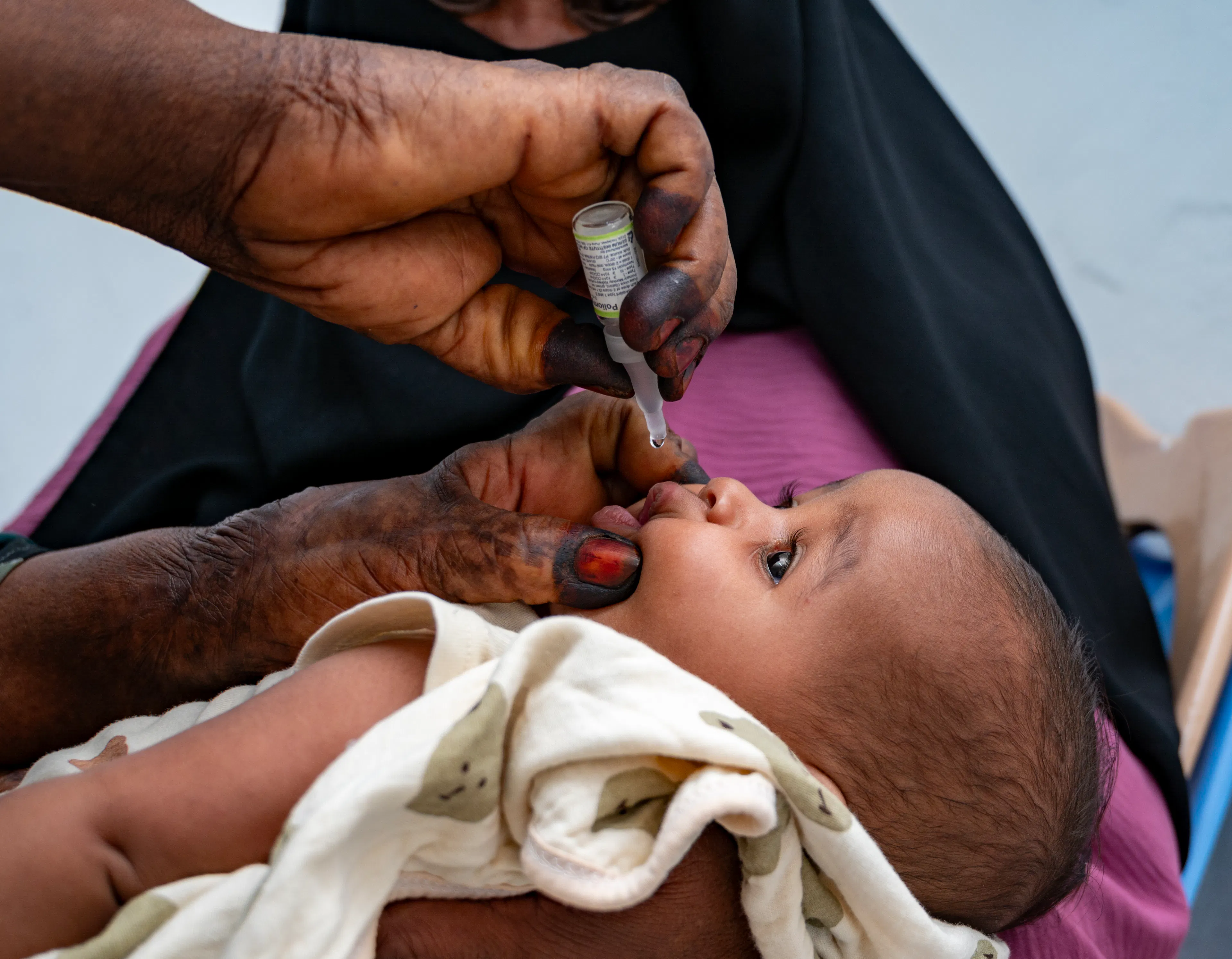
Vaccines
The conflict in Sudan has pushed immunisation rates in the country back almost 40 years, putting children at grave risk of deadly but preventable diseases. This decline has resulted in polio, measles and other preventable disease outbreaks in Sudan which have cost children their lives.
These challenges will not stop UNICEF.
We are continuing to vaccinate children during this conflict. UNICEF delivered 16 million doses of 11 vaccines, targeting over 630,000 children under the age of one, across the country between January and June 2025.
Humans often get lost behind the headlines. But it’s the children, parents and UNICEF staff that are truly the face of hope. We want to give a spotlight to these people.
It's a challenging climate out there for aid workers. In 80 years of UNICEF delivering aid, challenges have come and gone. What has stayed consistent is the incredible people that we have the honour of working with and for. They kept us going in 1946 and they continue to keep us going now.
So let’s hear from the hope that lives in every story.
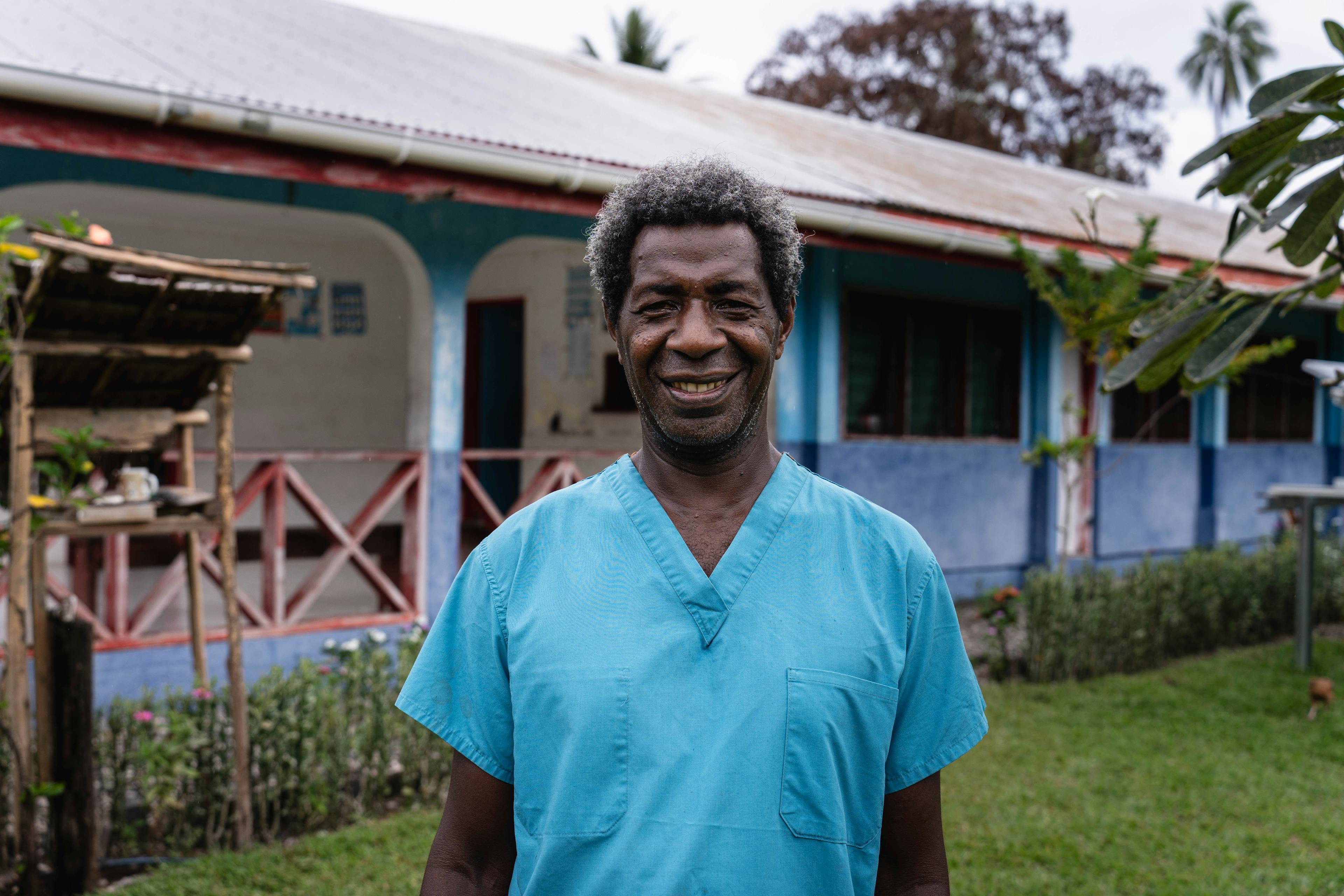
Francisco, Vanuatu
Meet our neighbour, Francisco. For nearly thirty years, he has worked as a nurse across the scattered islands of Vanuatu, tending to communities most people never see on a map. Francisco does almost everything. He treats everyday illnesses such as flu and scabies, provides maternity and family-planning services, and is often the only health worker available when a child is born.
He serves a population of roughly 4,000 people, spread across islands where distance and isolation make access to care uncertain at best. In many of these places, there is no backup. Francisco is the hope. With your support, UNICEF is able to back people like Francisco, quiet professionals whose work keeps the Pacific’s most remote places functioning.



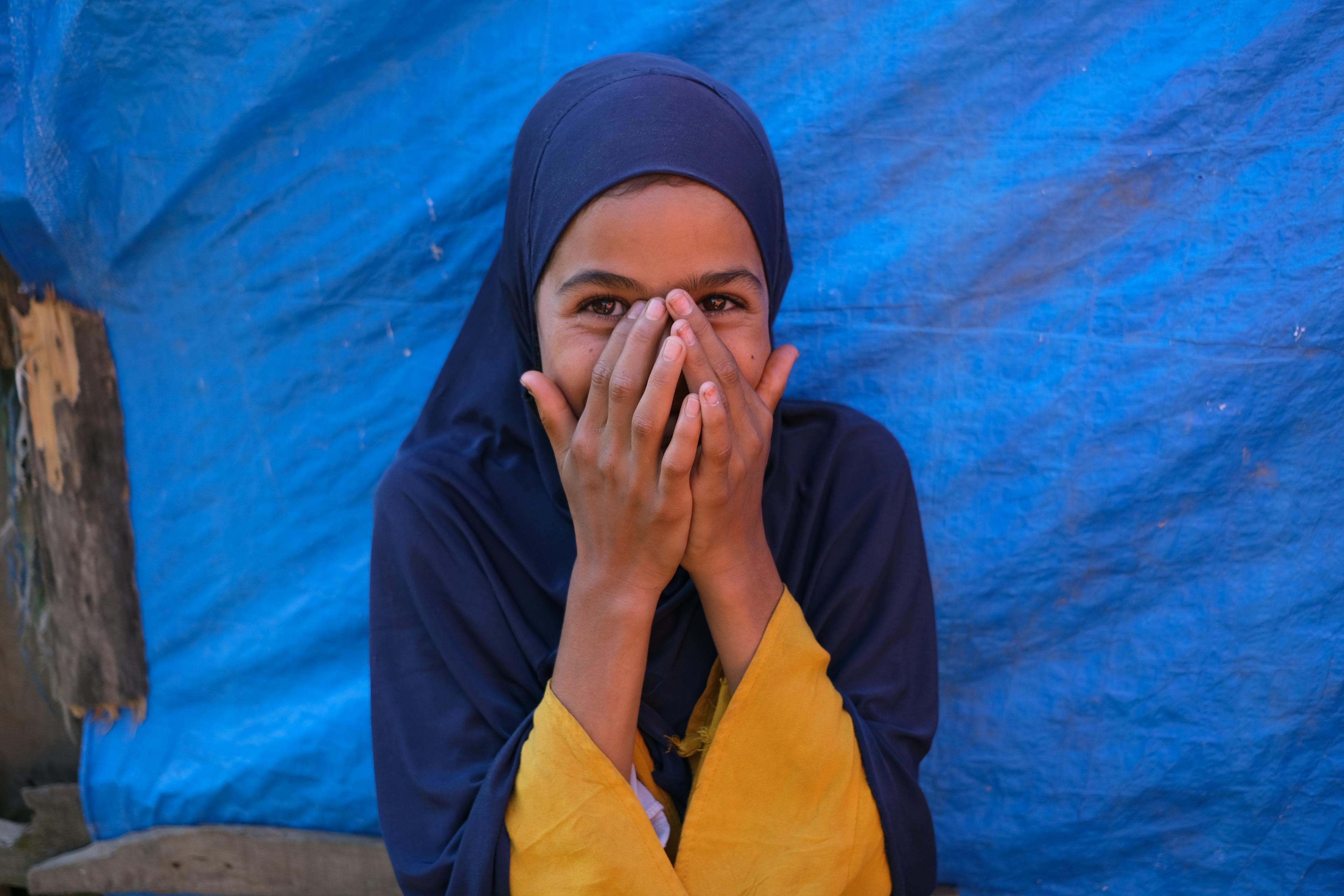
Zahra, Chad
In Chad, Zahra spent two months at her son Ahmat’s bedside as he recovered from severe acute malnutrition. She sang to him to pass the long hours, played music by her favourite artists, and held onto a simple, stubborn hope: that he would return to good health and live a dignified life.
With sustained care from UNICEF-supported nurses, doctors, and nutrition teams, Ahmat began to recover. His strength returned. Then his smile. This is what hope looks like in practice. It's not an abstraction, but something tangible, found in a mother’s embrace, a nurse’s steady attention, and the quiet protection of a community determined to see a child survive.
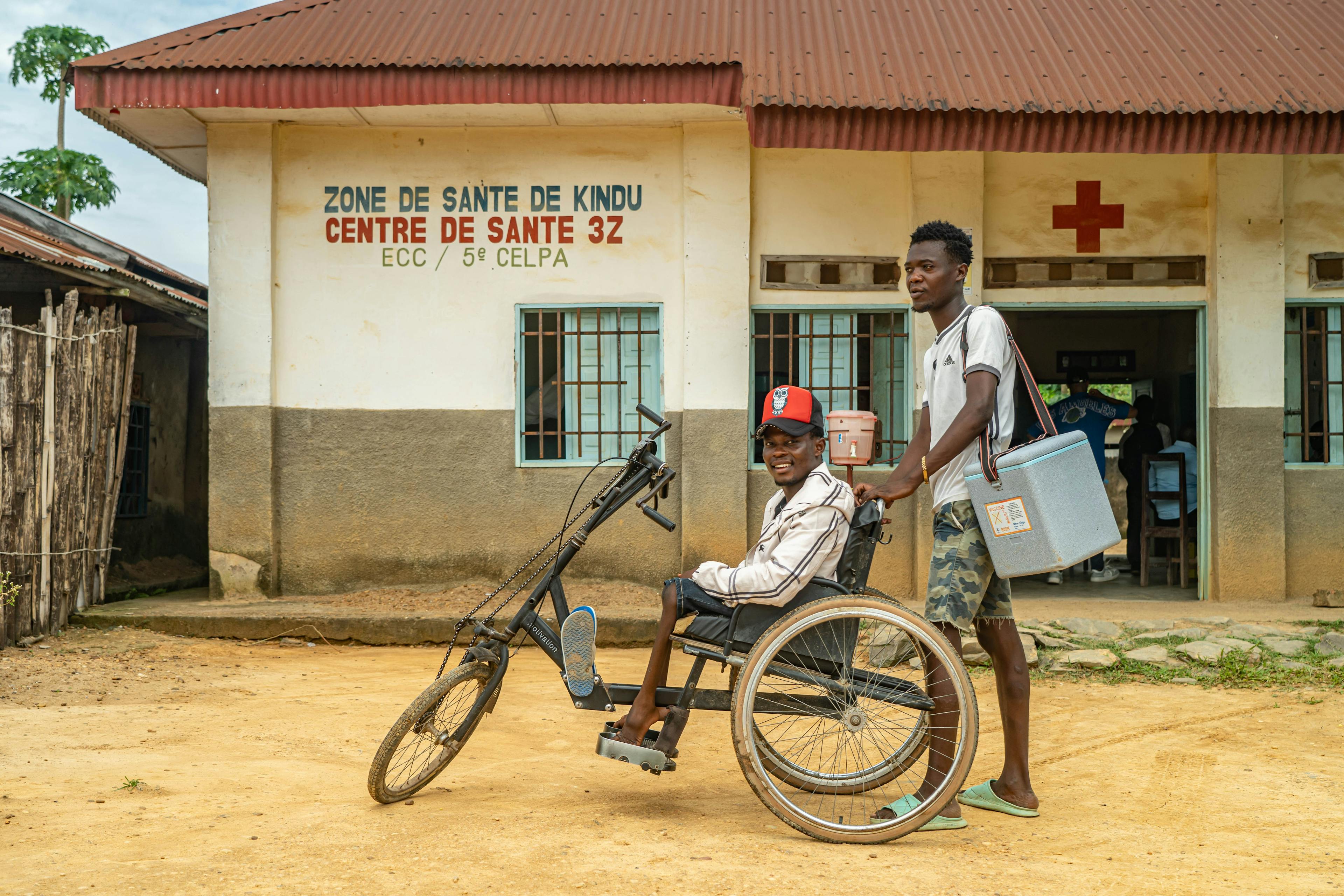
Rajabu, Democratic Republic of Congo
Meet Rajabu Vambise, twenty-eight, a polio survivor and UNICEF-supported community worker in Kindu, in the Maniema province of the Democratic Republic of the Congo.
He contracted polio at the age of two and lost the use of his legs. His parents, opposed to vaccination at the time, did not know how decisively that choice would shape their son’s life.
Rajabu’s story did not end there. He went on to complete his law studies and returned to his community as an advocate and organiser. Today, he speaks with parents about the importance of vaccination and travels to neighbourhoods helping to ensure children receive the polio vaccine he never had. In a place where young lives are still threatened by disease, Rajabu has become a determined force in the fight to end it.
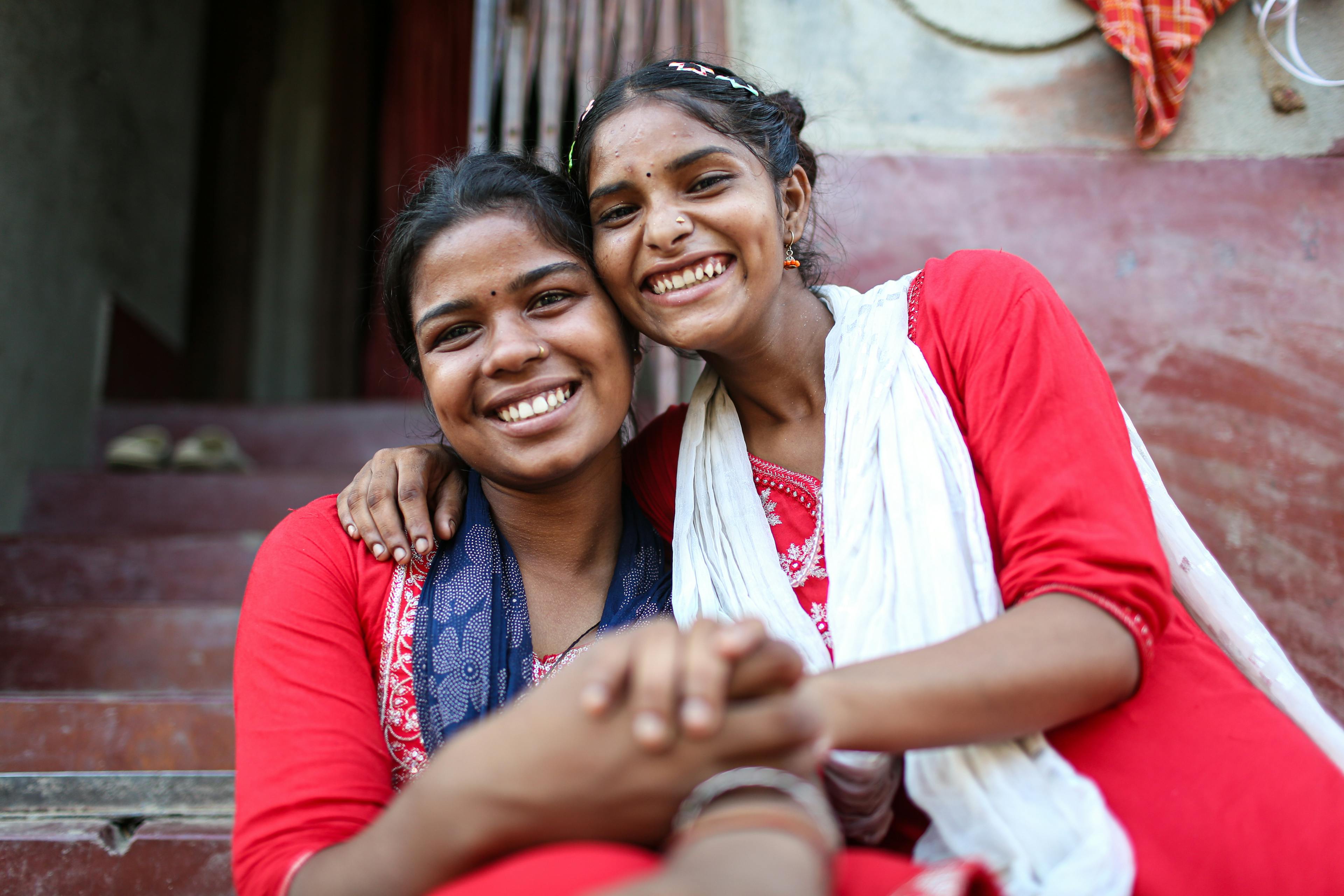
Sarita & Reema, Nepal
Sarita, fourteen, and Reema, sixteen aren't just a symbol of friendship - they're a symbol of empowerment. Through UNICEF’s Rupantaran (“Transformation”) programme, they gained sewing skills, life-skills, education, and a deeper understanding of their rights.
Learning about gender equality has educated them on the risks of child marriage. This practical knowledge protects their futures and widens the path toward independence.
Sarita & Reema have created a friendship where they can learn, play and empower themselves. Together they can imagine a future that extends beyond the limits set for them.
Together, we accomplished a great deal for children in 2025. Because of UNICEF supporters, real change reached some of the world’s most vulnerable children, often in places where help is hardest to deliver. And the work is far from finished.
We will continue to strengthen long-term programmes, find new ways to meet persistent challenges, and show up for children when it matters most.