
Middle East Crisis
Home
Current Appeals
Middle East Appeal
Conflict is escalating in the Middle East and it's having severe humanitarian consequences, endangering the lives and well-being of millions of children.
In places like Lebanon, Iran, Gaza, Syria and Yemen – families already pushed to the brink by years of instability, are suffering through another wave of violence.
Donate now to support and protect children in the Middle East Crisis.
Loading donation form...
The Toll on Children
Since 28th February, more than 3,000 children have been reportedly killed or injured in the violence, with hundreds of thousands more displaced from their homes, with this figure growing by the hour. The services and infrastructure that children and families rely on, including hospitals, schools, and water and sanitation systems, have been disrupted, damaged and destroyed - leaving the most vulnerable at even greater risk.
Despite the disruptions, UNICEF is focused on providing regional aid, and continues to reach children with essential supplies and services, including health, nutrition, water and sanitation, education and child protection. With your support, we can ramp up our assistance for children in a region where needs were already acute.
Please donate today to help support children in the Middle East Crisis.
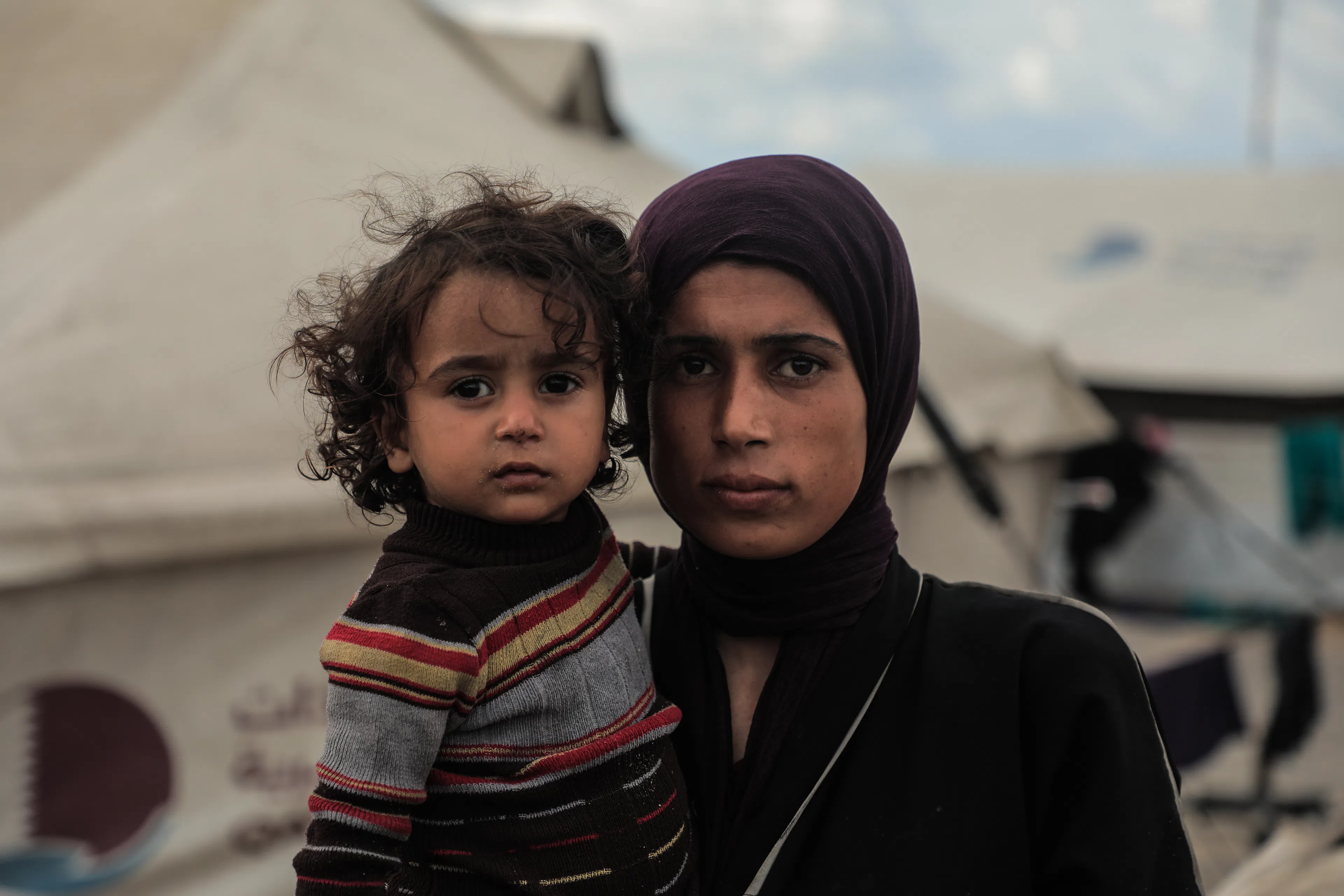
How your Support Reaches the Frontline
For more than 79 years, we've strengthened our emergency preparedness by developing a web of partners on the ground, and working closely with Governments and the communities we help. We’ve got 6 global supply hubs and more than 300 warehouses worldwide, plus a logistics network which enables us to deliver aid anywhere in the Middle East in under 48 hours.
Here's how UNICEF delivers supplies when access is challenging:
Rapid Response Teams (RRT): Mobile teams deployed to provide critical supplies and services to isolated and hard-to-reach children and families. In Lebanon, teams have supported more than 150,000 people with clean water, hygiene kits and nutrition support, and provided more than 26,000 people with winterisation supplies.
Pre-positioned Supplies: UNICEF strategically pre-positions supplies to allow for rapid dispatch within hours of an emergency or humanitarian corridor opening up. In Gaza, emergency supplies are stockpiled, ready and waiting to be distributed during humanitarian access windows.
"Last-Mile" Delivery: Across the Middle East, our staff take difficult journeys over mountains, across rivers and through deserts to deliver supplies directly to children. In remote areas of Yemen, our health volunteers use motorcycles, bicycles, donkeys, camels, or travel on foot to vaccinate children.
Our life-saving work is 100% funded by voluntary donations. It's the amazing support from Kiwis like you that makes it possible for us to deliver essential supplies and services to hard-to-reach children in the Middle East.
Please donate to provide Middle East relief to support children and families.
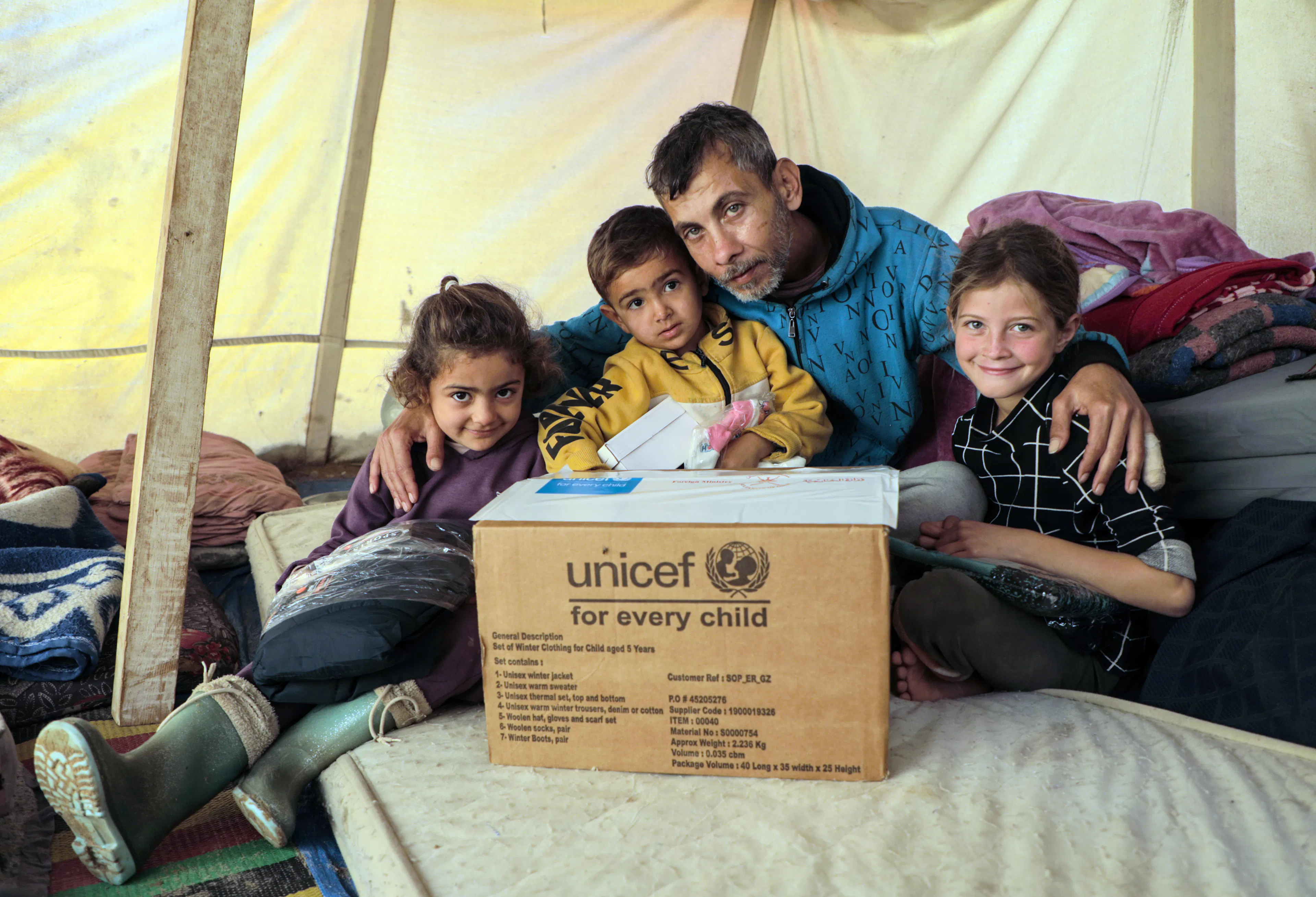
MIDDLE EAST CRISIS
Children’s lives are at risk as fighting escalates across the Middle East. Donate today to help children affected by the conflict.
How does UNICEF operate in conflict zones like the Middle East?
In conflict zones, UNICEF continues to deliver essential services to children across affected and at-risk countries, despite heightened risks to staff safety, humanitarian access and programme continuity.
Our efforts in the Middle East remain focused on supporting families with health, nutrition, WASH, education, child protection and social protection services, while adapting our programmes to the rapidly evolving situation.
Support children in the Middle East now with an emergency donation to UNICEF
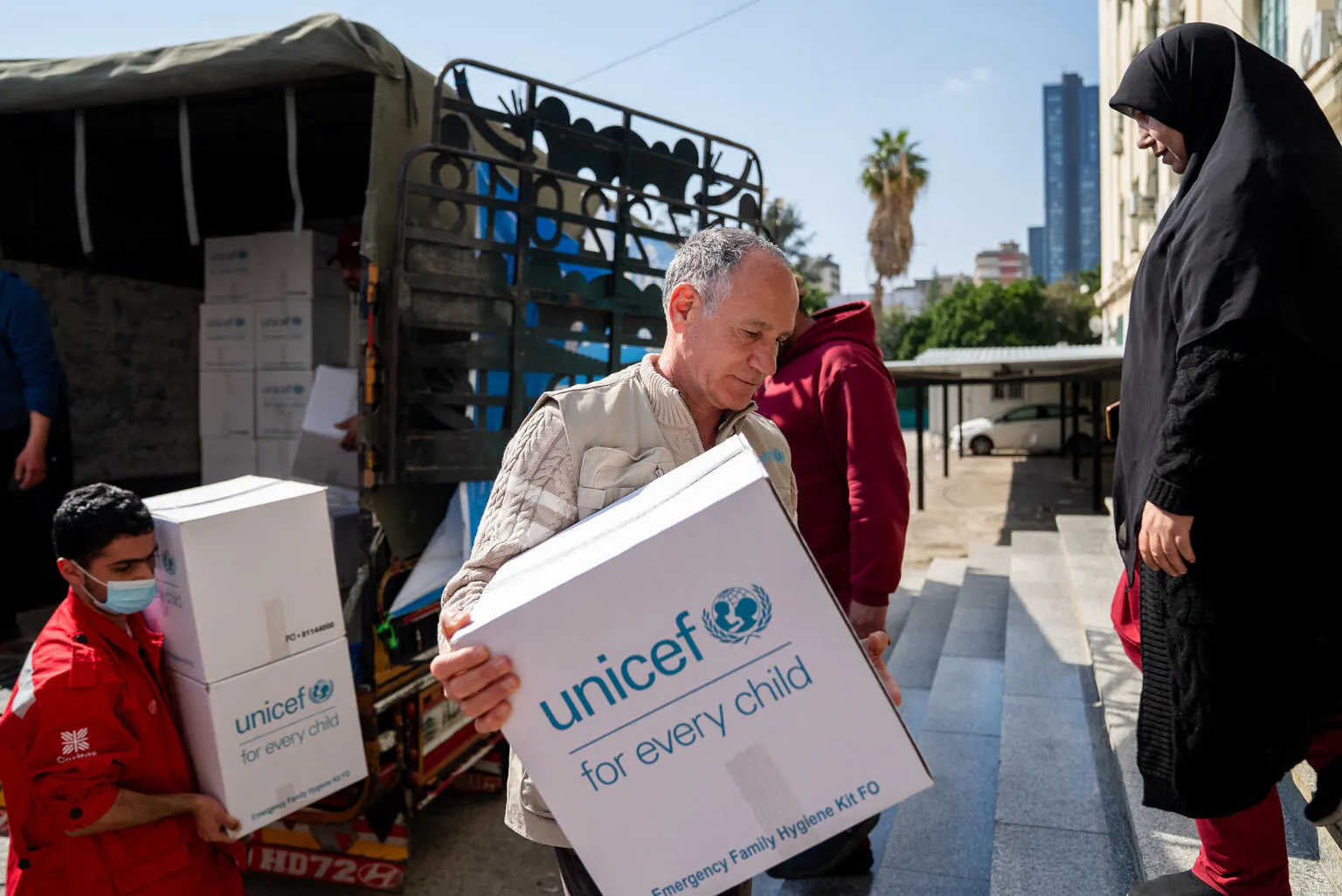
At a public school being used as a shelter for displaced people in Lebanon, a UNICEF team is providing emergency supplies including mattresses, blankets, clean water, hygiene and dignity kits. The escalation in hostilities has forced many families to leave their homes in the south of Lebanon, and southern suburbs of Beirut, to seek shelter in converted public schools. 138,532 displaced people are seeking refuge in 678 collective shelters across Lebanon.
What’s Happening in the Middle East?
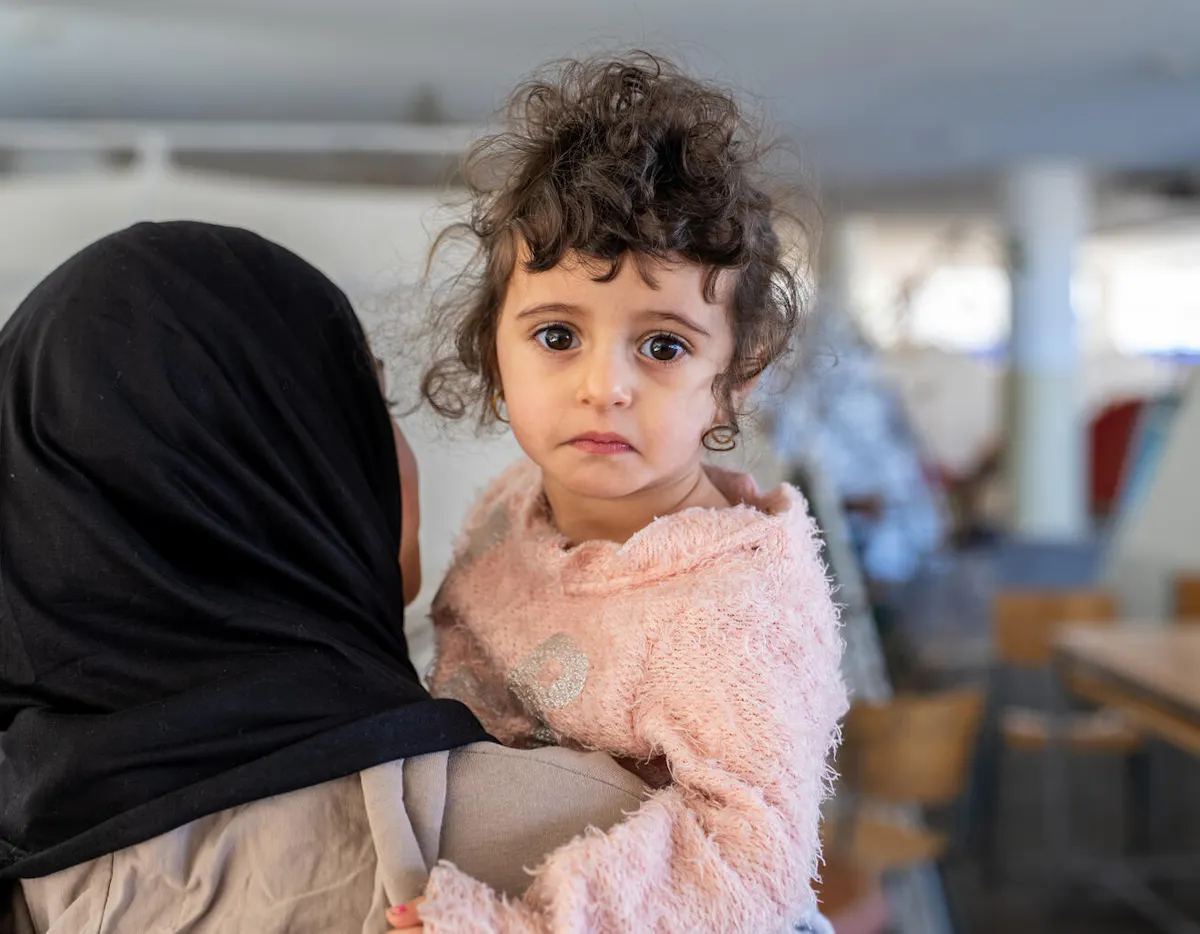
LEBANON
Children and families are at threat from hostilities across Beirut’s southern suburbs, southern Lebanon, and the Bekaa.
Since March 2nd, 1,888 people have been killed and 6,092 have been injured. Nearly 1,100,000 people have been displaced, including 390,000 children.
Attacks on critical infrastructure, including water systems, healthcare and emergency services, remain a major concern.
UNICEF has reached 167,200 people in high-risk areas since March 2nd, delivering life-saving support to children and families, including 478,773 bottles of water, 42,497 family hygiene kits, 1,330 boxes of high-energy biscuits, 28,466 blankets, 22,4622 children’s clothing kits and 354,000 litres of fuel to help sustain 45 water facilities to ensure 1.28 million people have uninterrupted access to clean water. We’ve also delivered 140 tons of essential medications and medical supplies.
Please donate today to ensure we can provide emergency supplies and clean water for families.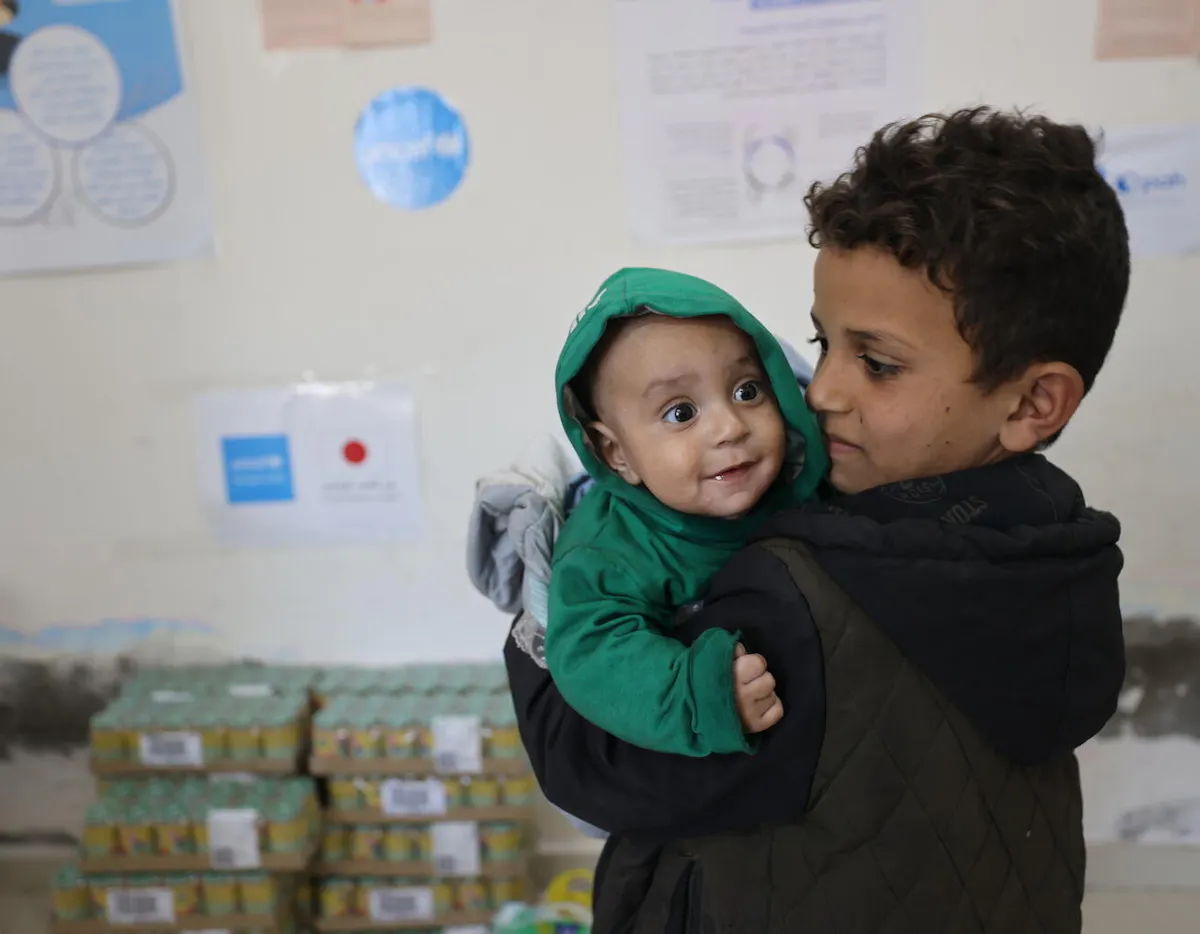
GAZA
After more than two years of conflict, Gaza remains a dangerous and difficult place to be a child.
The escalating conflict in the region is expected to disrupt the supply chain of much needed aid into Gaza. This will affect the delivery of education, fuel, medical supplies and clean water - coming at a time when 3.6 million people desperately need humanitarian assistance.
UNICEF remains on the ground in Gaza as one of a limited number of charity organisations responding to the massive needs of families.
If you would like to just support our life-saving work in Gaza, please visit our Gaza Appeal.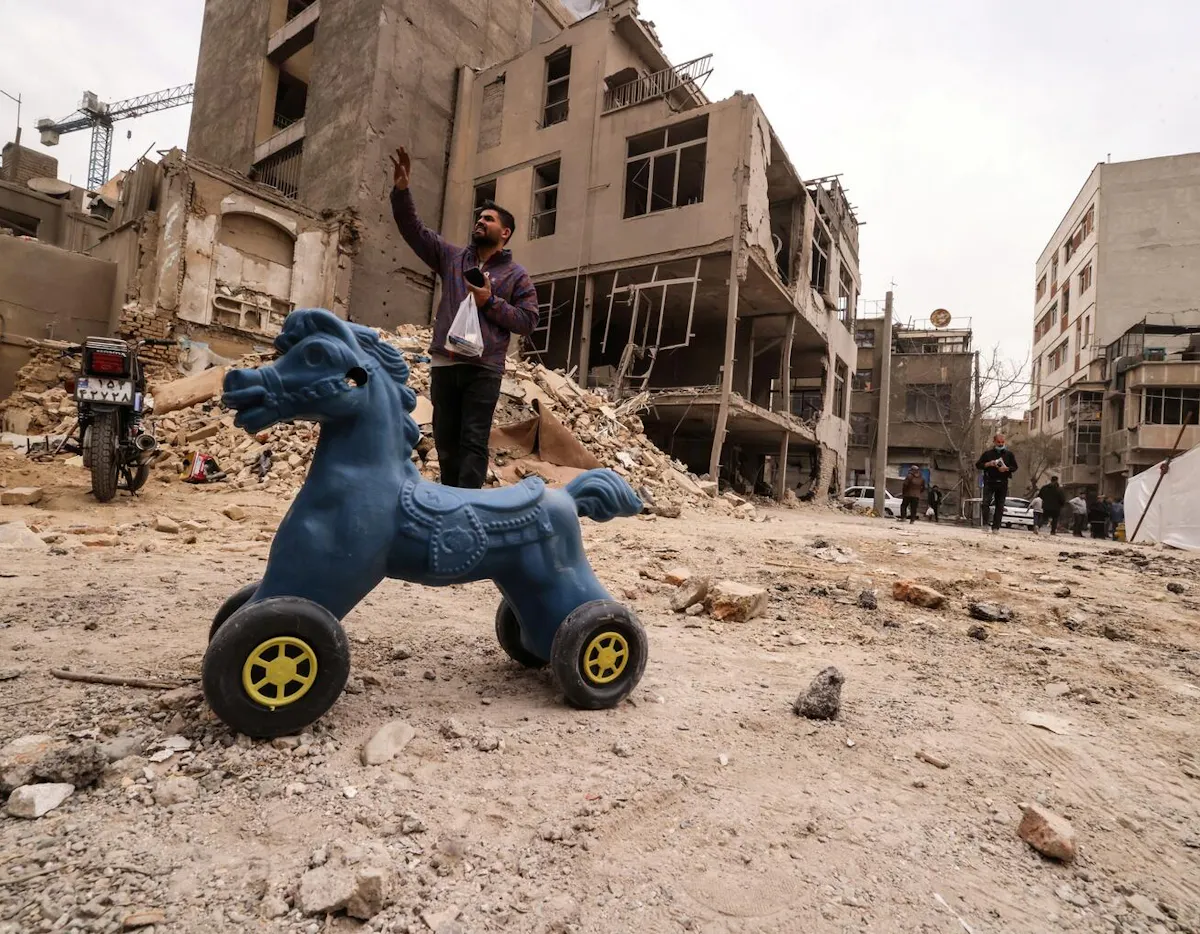
IRAN
Throughout the recent conflict, UNICEF has remained active and operational in Iran.
We're working with partners to deliver support to children and families across multiple sectors, including health services, mental health and psychosocial support, deploying pre-positioned health supplies, mobile health units, primary health care tents, and emergency health kits to help restore access to essential services for affected populations, alongside the provision of vaccines and psychosocial support for children and communities.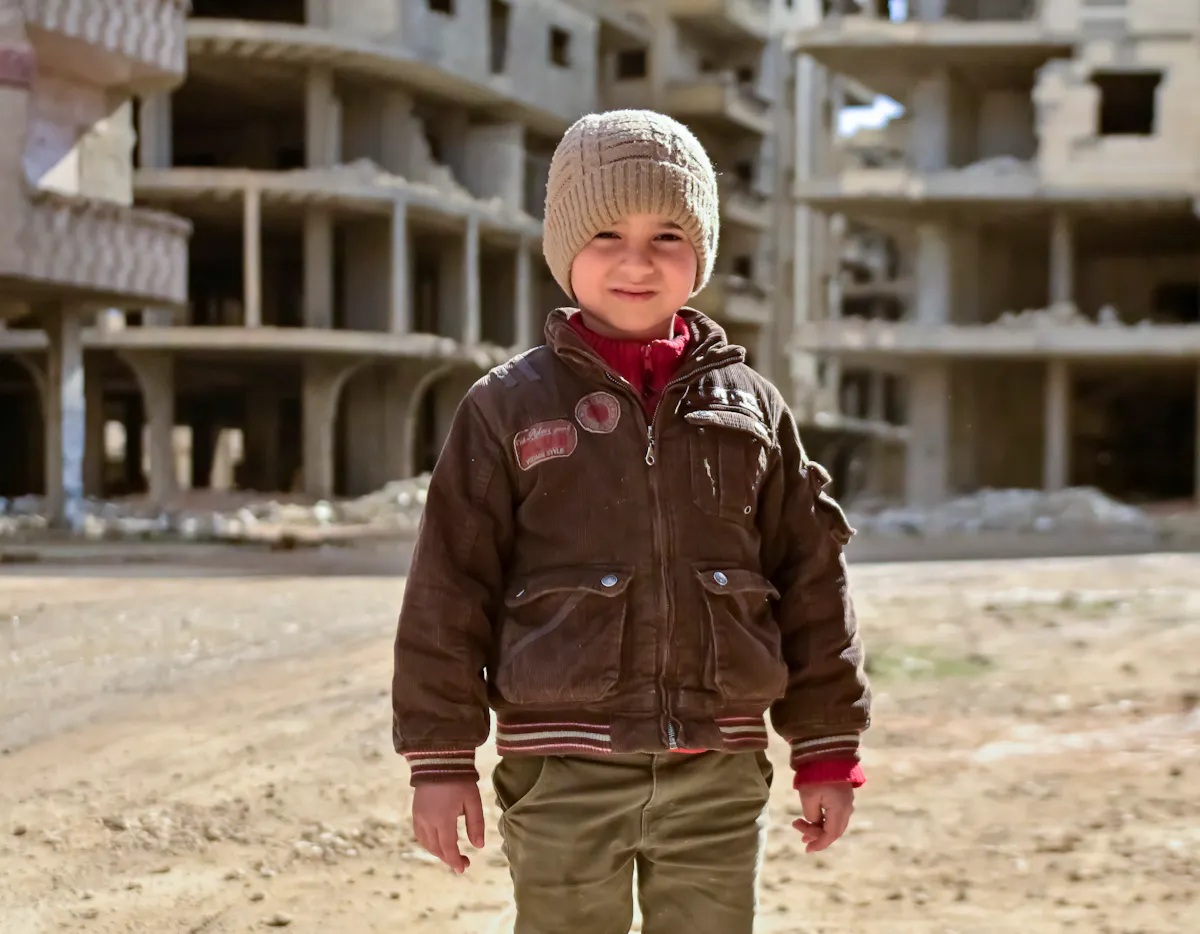
SYRIA
After 14 years of conflict and crisis, children in Syria continue to pay a heavy price - the current conflict in the Middle East will only exacerbate the situation.
Hostilities in Lebanon have caused more than 203,000 displaced Syrians and 37,000 Lebanese to cross the border into Syria, putting pressure on already fragile infrastructure. An estimated 16.5 million people, including 7.4 million children, will need humanitarian aid in Syria this year.
UNICEF will focus on life-saving healthcare, nutrition, education, WASH and protection interventions, especially in new or conflict-affected areas.
Please donate now to support children in Syria and across the Middle East.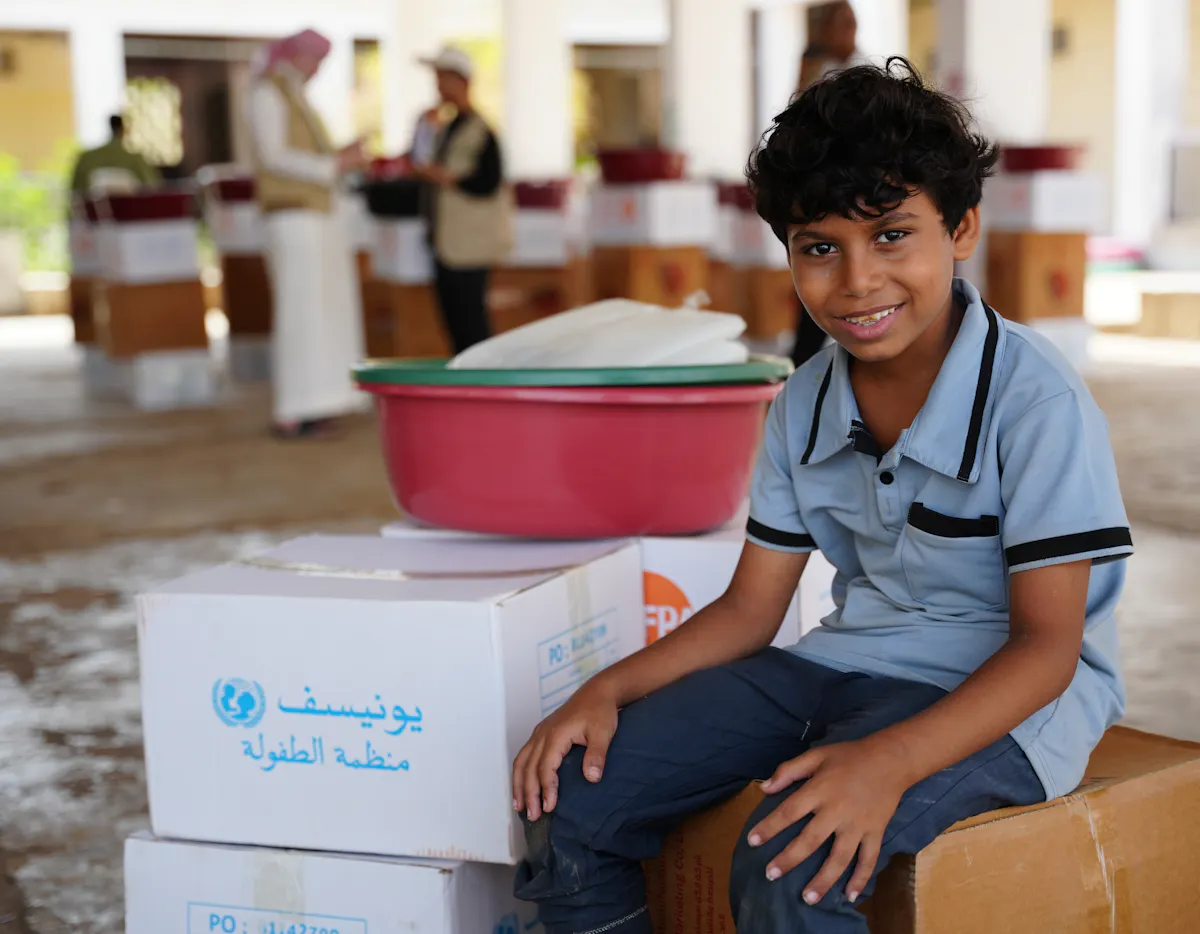
YEMEN
Yemen is one of the world’s most severe and protracted humanitarian emergencies, with the impact of more than a decade of conflict, economic collapse and disease outbreaks creating deep needs for children across the country.
The regional crisis is likely to lead to supply disruptions and put extra pressure on basic services.
UNICEF will be focused on sustaining life-saving work for children and families affected by and displaced by the conflict, including critical nutrition, health and water, sanitation and hygiene.
Please donate now to support children in Yemen and across the Middle East.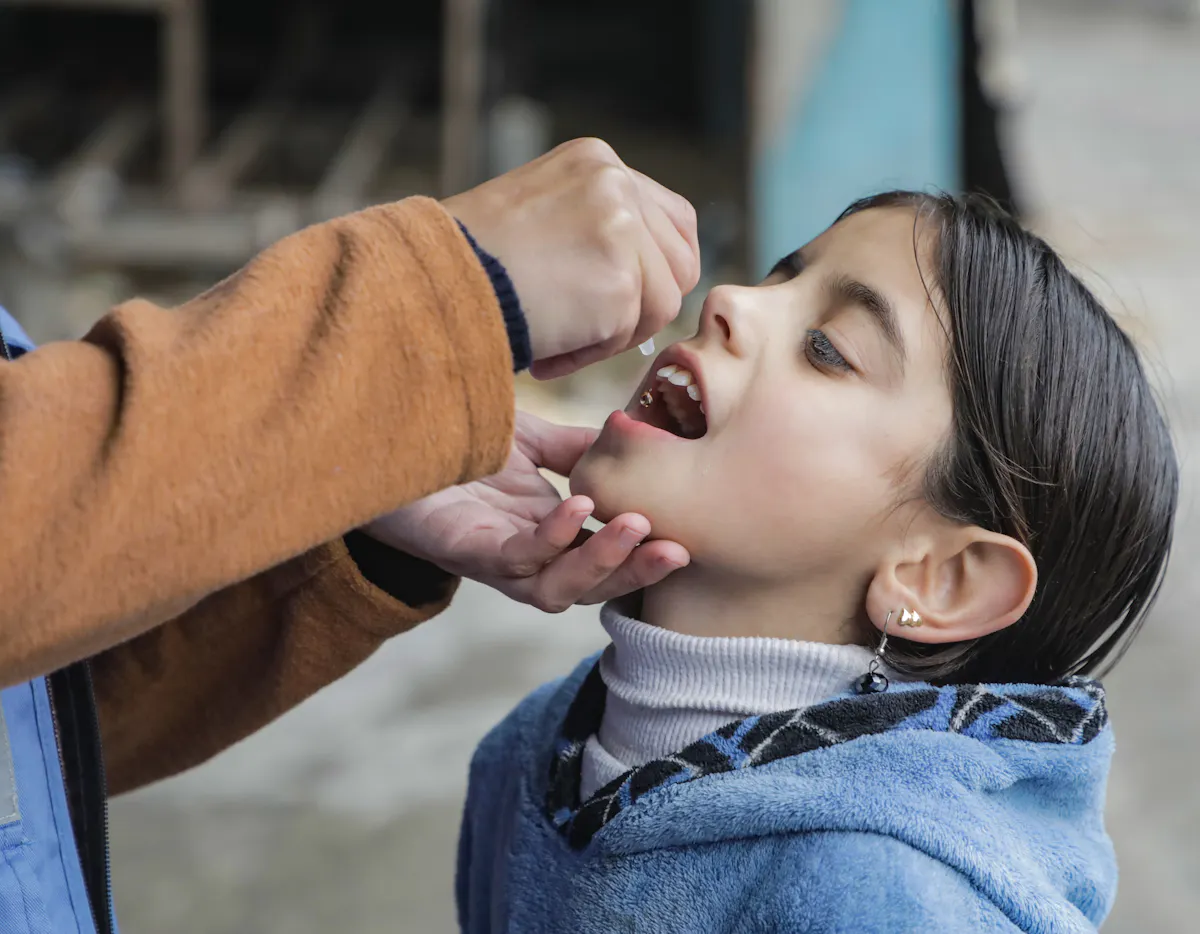
WORLD IMMUNISATION WEEK
Conflict can have a devastating impact on children’s health and protection from preventable diseases. As we recognise World Immunisation week 24th-30th April, 2026 UNICEF continues to roll-out vaccine campaigns across the Middle East.
In Lebanon, 12,080 kids have been vaccinated through community outreach programmes since March 2nd. In Gaza, UNICEF supported a recent 10-day immunisation campaign for children under 3 years, including vaccinating against polio, rotavirus, and measles, mumps and rubella. To reduce childhood immunity gaps and counter disease outbreaks in Yemen, UNICEF delivered 15 million vaccine doses in 2025. And in Syria, UNICEF supported the development of the National Immunisation Strategy 2026–2030 and reached 2.1 million children (1 million girls) with life-saving vaccines.
Every year, UNICEF helps vaccinate almost half the world’s children, including girls and boys in the Middle East.
Over the last 50 years, vaccines have saved an estimated 154 million lives, many of these in Lebanon, Syria, Iran, Yemen and Gaza.
MIDDLE EAST CRISIS
Children’s lives are at risk as fighting escalates across the Middle East. Donate today to help children affected by the conflict.
Frequently Asked Questions
The Funding Gap
The Middle East Crisis is placing the lives and well-being of children and families at increasing risk - many communities were already vulnerable due to the strain of underfunded, long-term emergencies in the region.
In Lebanon, UNICEF requires US$48 million to reach one million people in need, yet only 16% of funding has been received to date. In Gaza, only 1.4% of the funding needed for 2026 has been received. At the end of 2025, the funding gap for our work in Yemen and Syria was 63%.
UNICEF faces significant funding gaps due to a global humanitarian funding crisis, exacerbated by donor governments cutting or freezing budgets, rising humanitarian needs due to increased conflicts and climate disasters, and sector specific shortfalls. But also, because UNICEF relies 100% on voluntary donations, we're vulnerable to economic shocks such as the cost of living crisis.
MIDDLE EAST CRISIS
Children’s lives are at risk as fighting escalates across the Middle East. Donate today to help children affected by the conflict.
Other ways you can support
You can donate over the phone by calling our friendly team on 0800 243 575.
You can donate direct to our bank account - please use account 01-0505-0463764-00 and the code 'midea-ws'.
If you'd like to fundraise with your community to support our work in the Middle East, you can start a Raisely or Givealittle fundraiser.
You can make a philanthropic donation - please visit our Philanthropy page for more details.
You can also help us spread awareness of the situation for kids in the Middle East by sharing our appeal with your friends and family.
With your generous actions and support we can keep delivering essential supplies and services to children caught in the Middle East Crisis - from shelter and clean water, to education, nutrition and psychosocial care.
No matter how long children need us, or how the situation evolves, UNICEF will be there.
Donate to this appeal
SSL protected donation




Humanitarian crisis for children deepens after one month of war in the Middle East
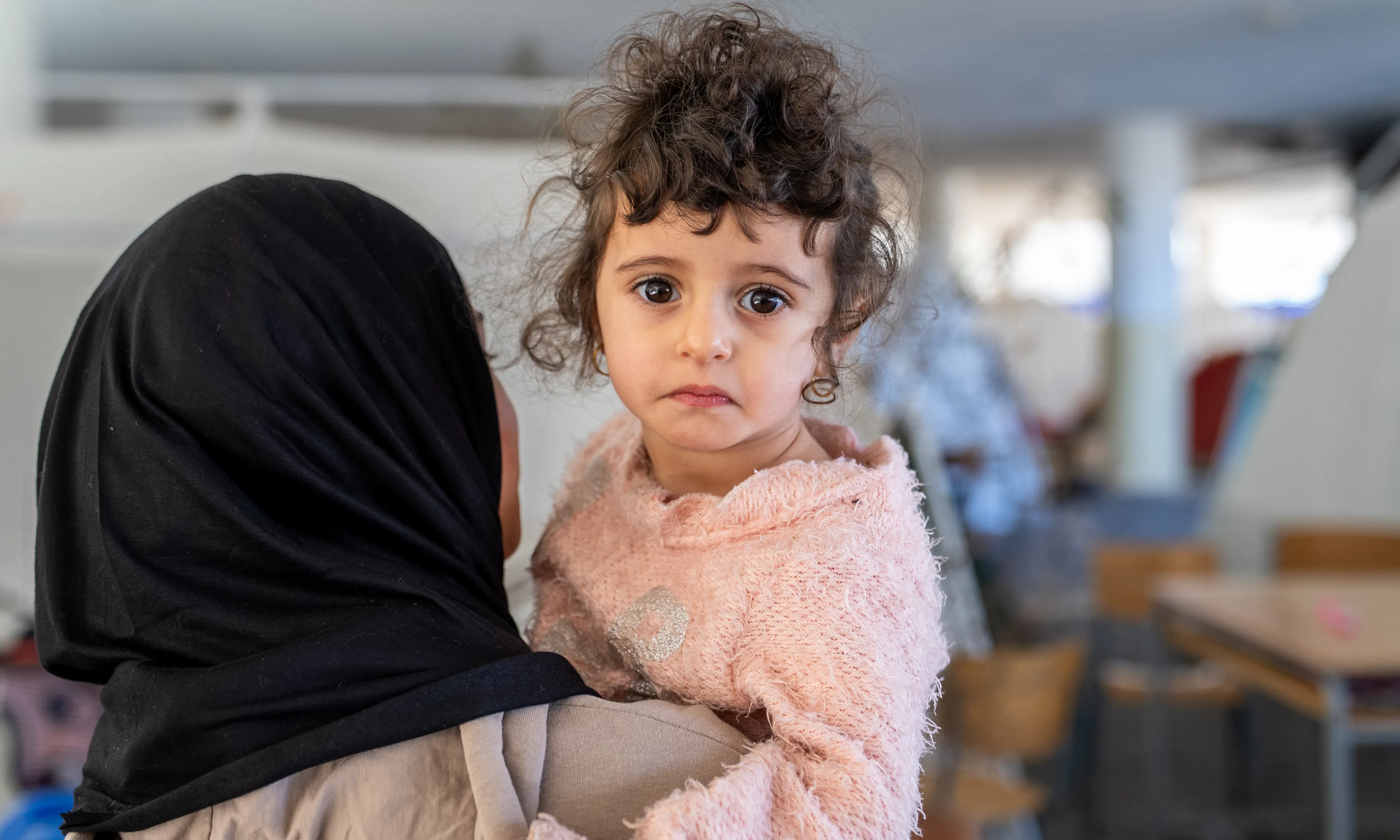
More than one month into the military escalation in the Middle East, conflict continues to exact a devastating toll on children across the region. More than 340 children have reportedly been killed and thousands injured.
Across the Middle East, a generation of children is being pulled deeper into crisis
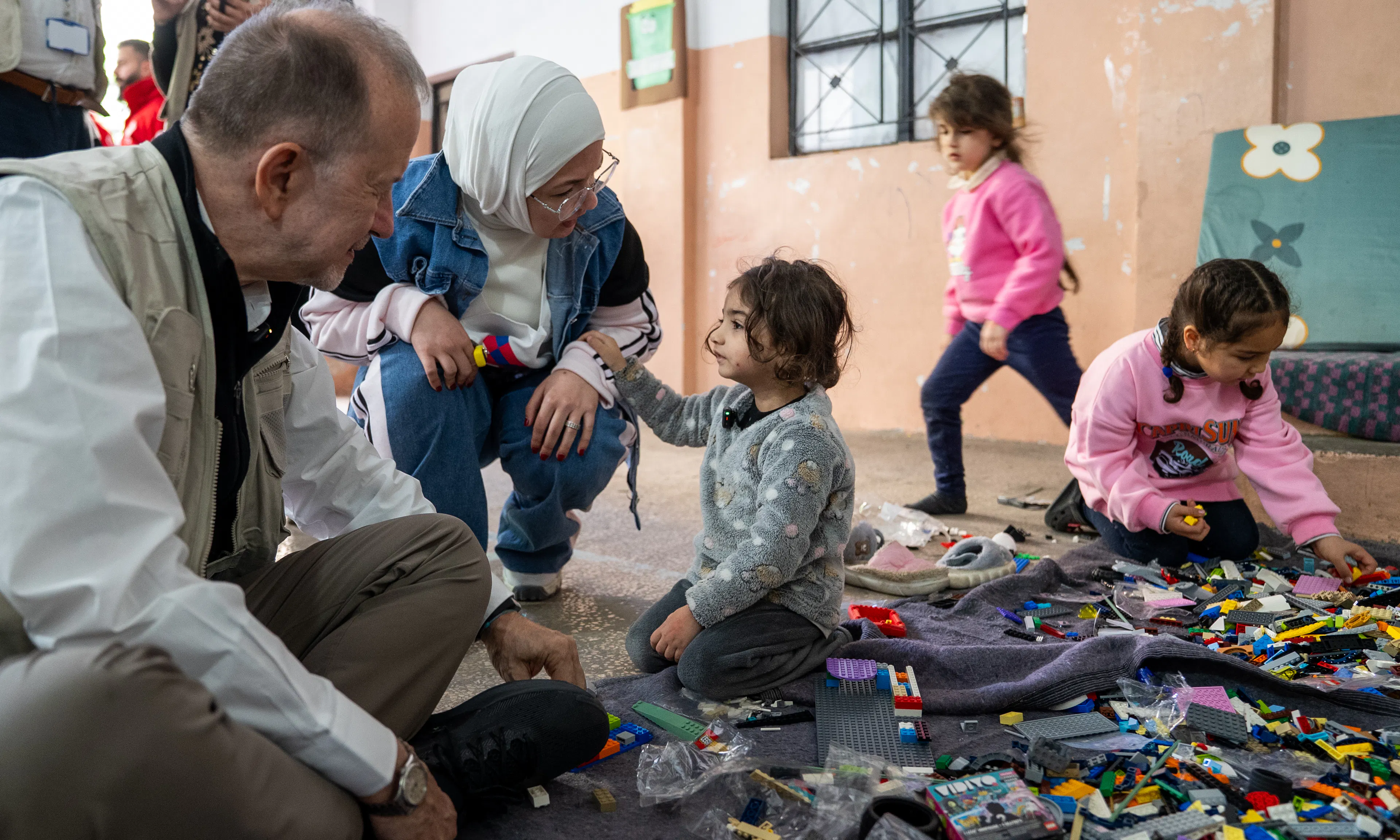
On 17 March 2026 in Lebanon, Ted Chaiban, UNICEF Deputy Executive Director for Humanitarian Action and Supply Operations, sits and interacts with 3-year-old Narjes (centre) while meeting displaced children and families sheltering at the Omar Faroukh school in Beirut.