For all news enquiries please contact Karen on 04 815 9387 or email karen@unicef.org.nz
14th January 2009
0 Comments
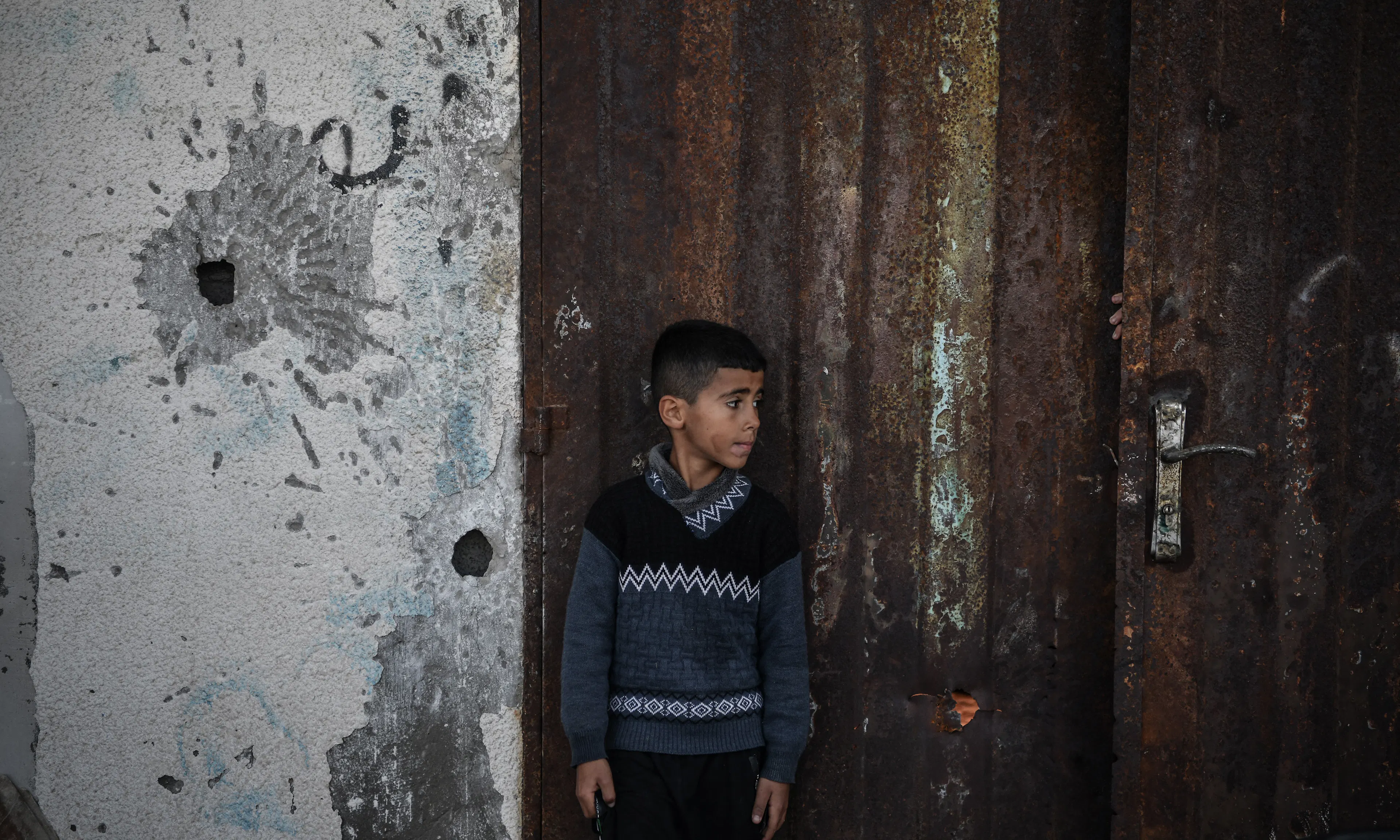
In Sheikh Radwan, children climb over the rubble, looking for familiar things, trying to make sense of what has happened to their community in the last two weeks.
“I was at Grandpa’s house,” said Ehab, 12. “I heard the shelling and ran away. I saw the house being shelled. The windows broke as well as the door. All of it gone, there is no longer a house.”
Conflict intensifies
Across Gaza, the story is the same as the conflict intensifies into ground incursions. According to the Ministry of Health, at least 854 Palestinians have been killed and more than 3,680 injured.
UNICEF estimates that 400,000 people in the territory do not have piped water. The World Health Organization warns that the health system is close to collapse.
“We have no electricity and no gas. Look at the electricity wires – all of them are down,” said one woman, describing how her house was destroyed. “There is no water…. Where shall we eat? There is no wheat and no bread, nothing.”
‘Safe spaces must be created’
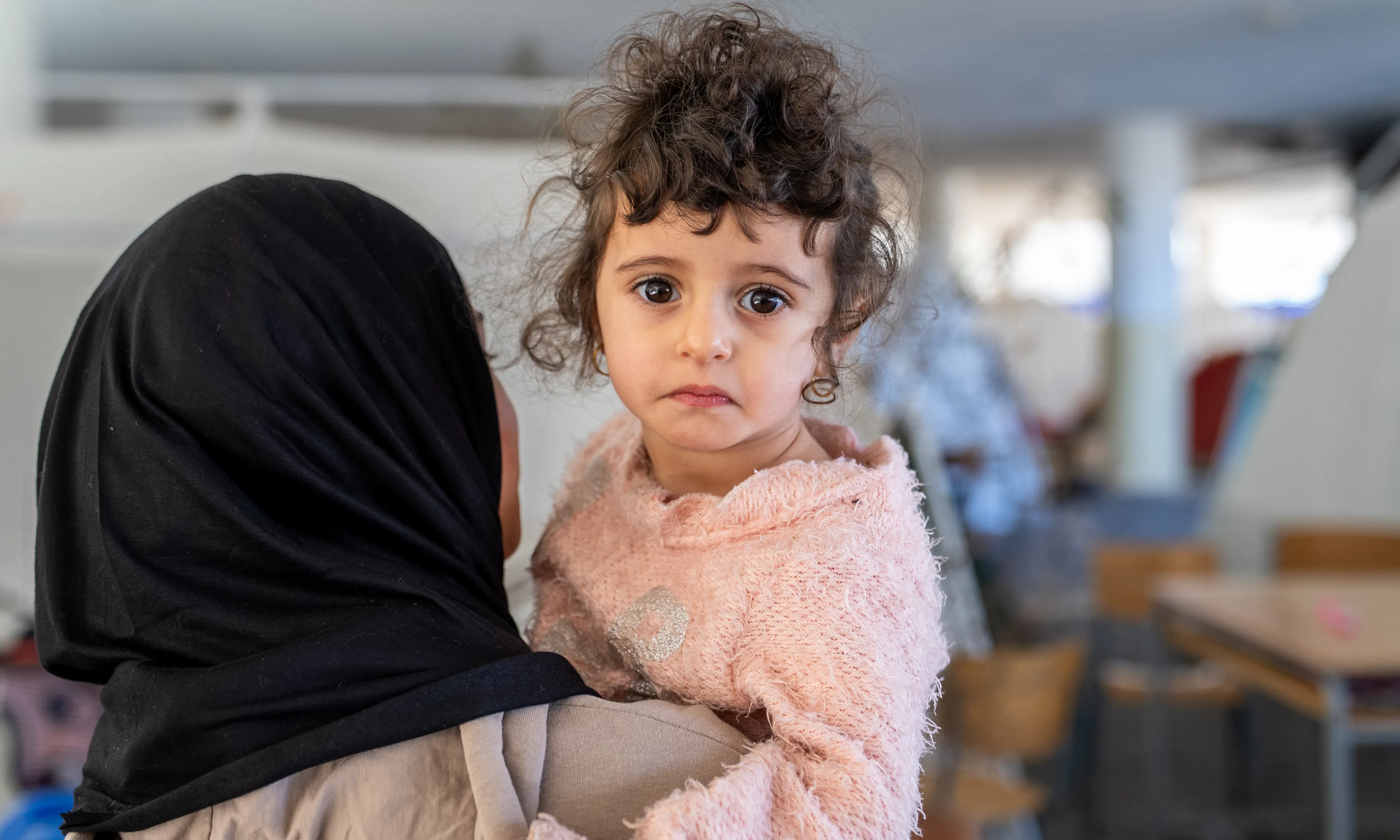
As terrifying as the daily danger is, what makes it worse for children is that there is no escape. There are no bomb shelters, and the borders are closed. UNICEF reports a new phenomenon of children so shocked that they are unable to speak.
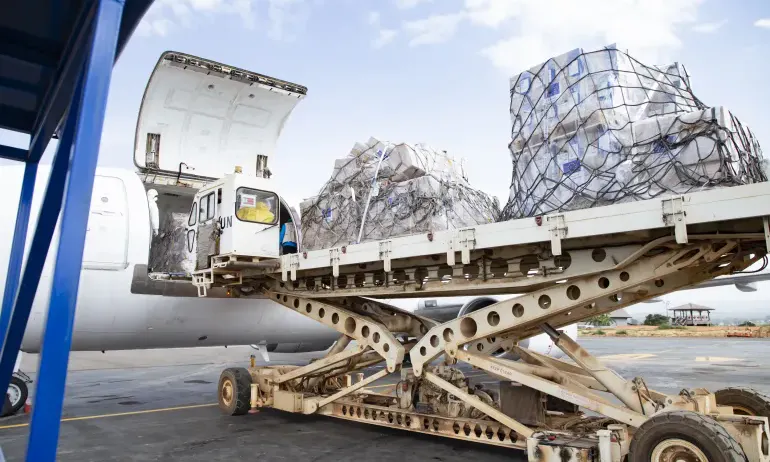
“Nowhere is safe for children and their families in Gaza at the moment,” said UNICEF Representative in the Occupied Palestinian Territory Patricia McPhillips. “There needs to be an end to hostilities so we can truck in urgently required water, medicine and other life-saving assistance for children. And until the fighting ends, safe spaces must be created in Gaza so we can deliver our pre-positioned supplies.”
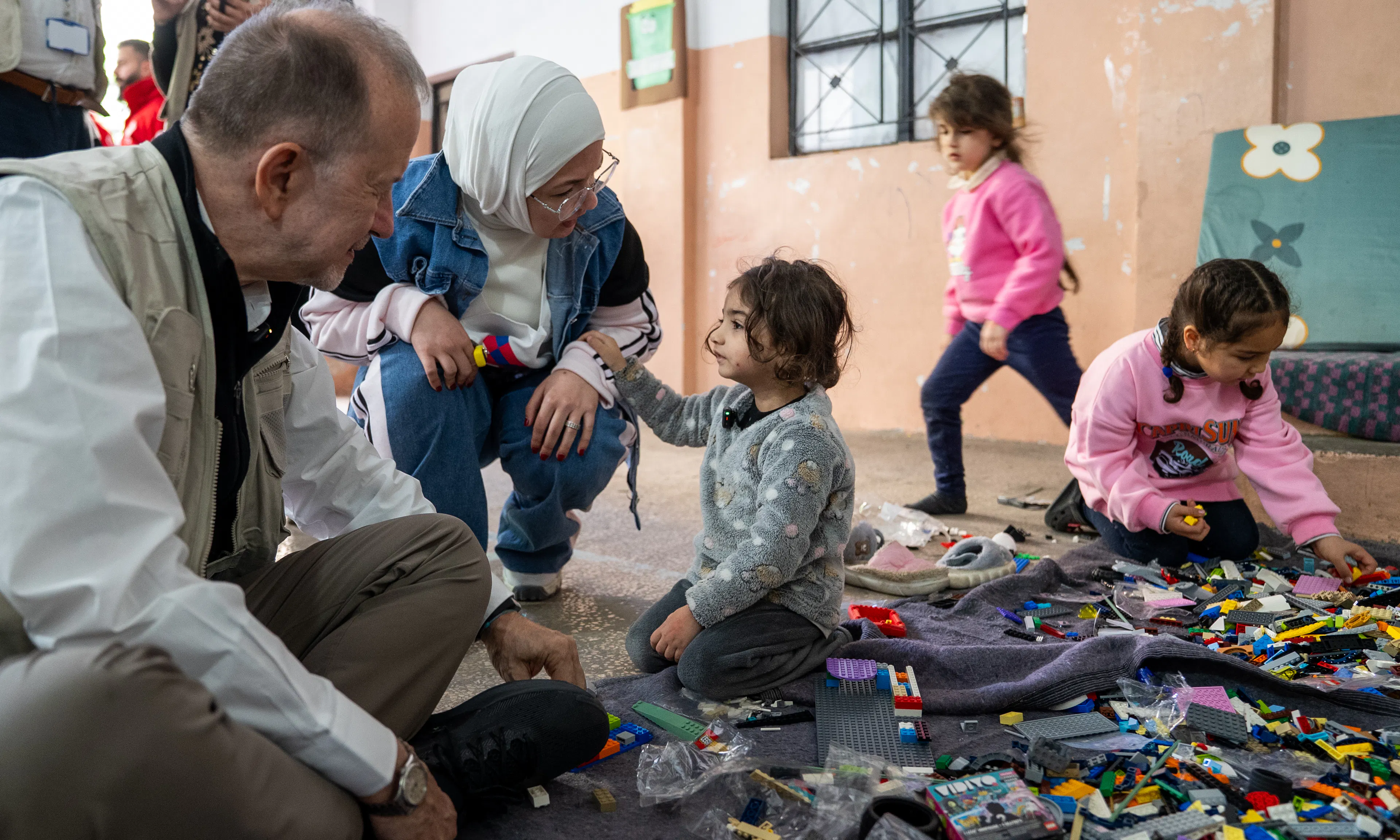
But despite all they have witnessed over the past two weeks, Gaza’s children continue to hope that the future will be better.
“I wish to live like all children of the world,” said a boy named Mahmoud. “I wish the war would end and we can go back to school.”
View video
Look at the UNICEF TV story about the conflict’s psychological impact on children. View video (2:19)
How you can help
If you would like to support UNICEF’s aid work in Gaza, please contribute to our Emergency Fund