9th January 2009
Although New Zealand is hurting, assistance for poorer countries should be kept up, Dennis McKinlay writes. 0 Comments
As the financial crisis morphs into a global downturn that is dragging down giants like Japan, Germany, and the United States, New Zealand is also feeling the cold chill of economic uncertainty.
The more pessimistic commentators predict unemployment will peak at 7 per cent and that our economy will face a big slowdown next year. City councils are facing pressures to cut back on core services and many individual households are suffering.
It is in this context of global downturn that UN Secretary-General Ban Ki-moon called on leaders of the Group of 20 nations in November to avoid deepening human suffering worldwide. Millions of people from poorer countries are already being affected by high food prices and cost-of-living increases, such as in Ethiopia where UNICEF is taking a leading role in providing therapeutic food to the more than 84,000 malnourished children.
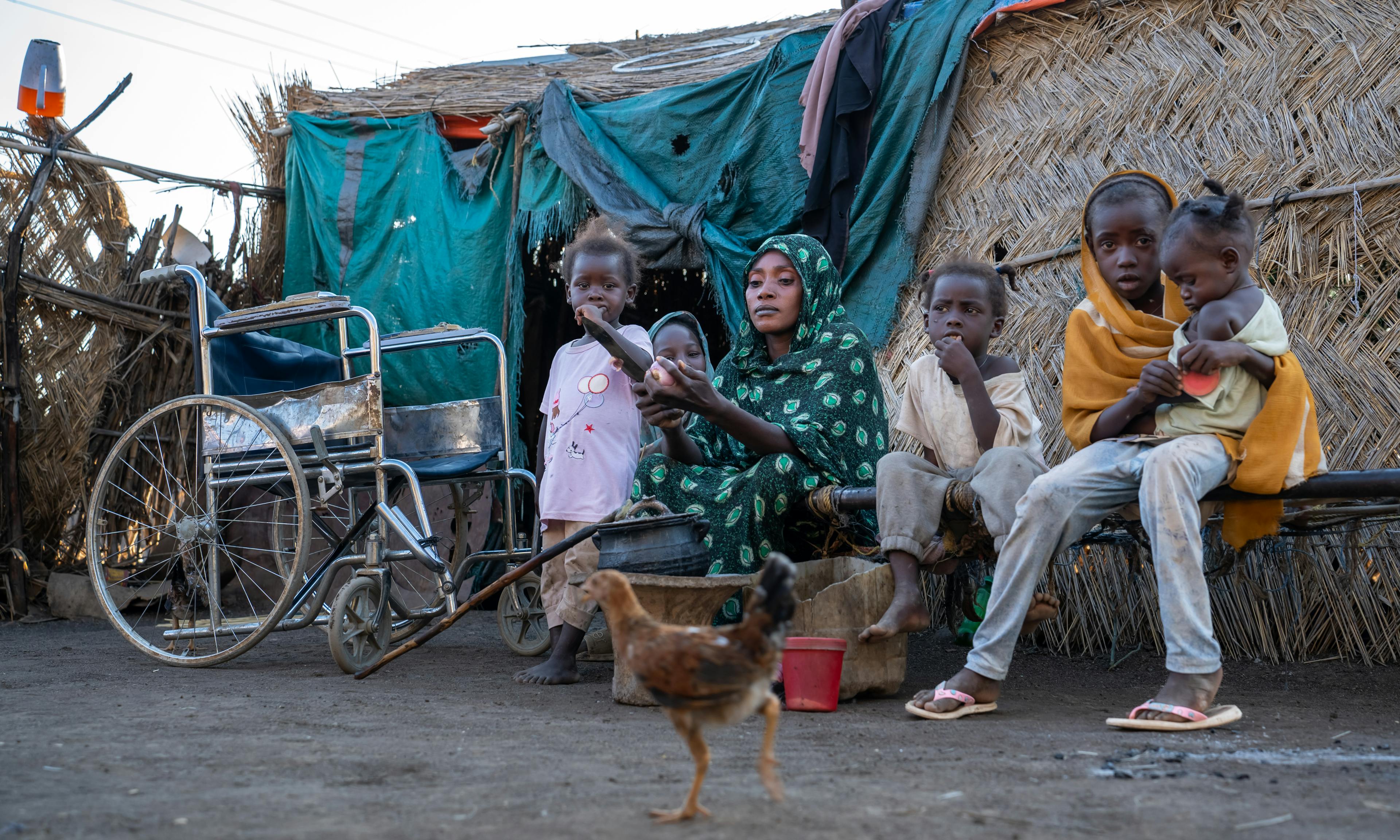
While we have the choice about what to cut back on when we tighten our belts, people living on as little as $1 a day have few options. The poorest are particularly vulnerable to sudden crises because they don’t have the security of a social safety net to fall back on.
Some analysts are predicting the global downturn will lead to cuts in development assistance budgets around the world of up to a third or more. In its pre-election policy, the National Party promised to maintain current aid levels as set out in this year’s Budget. That would see New Zealand’s ODA reaching $600 million by 2010 – an increase in funding to 0.35 per cent of gross national income (GNI). UNICEF commends this commitment to growing the aid budget and hopes that New Zealand will stay the course to reach the UN target of 0.7 per cent of GNI by 2015.
There is also a fear that the global downturn may put at risk progress towards the UN’s development targets – the millennium development goals (MDGs)
The MDGs are the world’s commitment to help hundreds of millions of children and families out of extreme poverty. Solid progress has been made, with estimates indicating that between 1990 and 2005 the number of people living in extreme poverty fell from 1.8 billion to 1.4 billion. Deaths from measles, for example, have fallen by some 74 per cent worldwide since 2000 and the vaccination rate among developing world children has reached 80 per cent. UNICEF has played a leading role in vaccine supply and pioneered the use of cold chain systems to keep vaccine supplies cool in hot climates. Primary school enrolment around the world has reached 90 per cent, according to a recent UN report.
Political and other leaders met recently to pledge an additional $17.5 billion. But will this commitment be honoured when governments face their financial crises at home?
Less support inevitably means that caring agencies, like UNICEF, can do less to help vulnerable children. We are thankful that New Zealanders continue to show their empathy for children by supporting UNICEF projects. Even small donations can make a big difference. In UNICEF’s Inspired Gifts scheme, for example, it takes just $9.24 to buy pencils for 400 children.
UNICEF is bringing together regional leaders at a conference in Singapore in early January [2009] that will examine the impact of the economic crisis on children's health, nutrition, and education, as well as on some child protection issues in the East Asia and Pacific region. The aim is to assist governments identify and implement policies that effectively protect children and women from the effects of this crisis.
For children, it is only too obvious that the cost of inaction is high, including permanently stunted physical and intellectual growth due to adversely affected nutrition, health and schooling. It is my hope that the global downturn does not compromise our responsibility as global citizens. We have a clear duty to rise above our own individual and national concerns to help children less well off, no matter where those children may live.
Dennis McKinlay is executive director of UNICEF NZ
The above op-ed was published in the Christchurch Press newspaper on 16 December 2008 and is used here with permission.
Boosting international aid
UNICEF NZ is part of a coalition of international aid agencies advocating for the NZ Government to increase its aid contribution to meet the UN target of 0.7 per cent of GNI by 2015. Learn more about the PointSeven Campaign and what you can do to help.