For all news enquiries please contact Karen on 04 815 9387 or email karen@unicef.org.nz
15th December 2008
UNICEF Goodwill Ambassador Mia Farrow visited conflict-affected North Kivu, on a three-day mission to eastern Democratic Republic of Congo. Her goal was to witness the devastating impact of the recent fighting, which has led to an estimated 300,000 displaced people in the last three months. The total number of internally displaced is around one million, or 20 per cent of the entire North Kivu population. 0 Comments
“I have come here to better understand how people are coping with this crisis and what needs to be done,” says Ms. Farrow.
“UNICEF is here doing their level best to sustain people, and that gives you hope. Coming without them, you might be more depressed, because what can you do?”
Terrible conditions for children
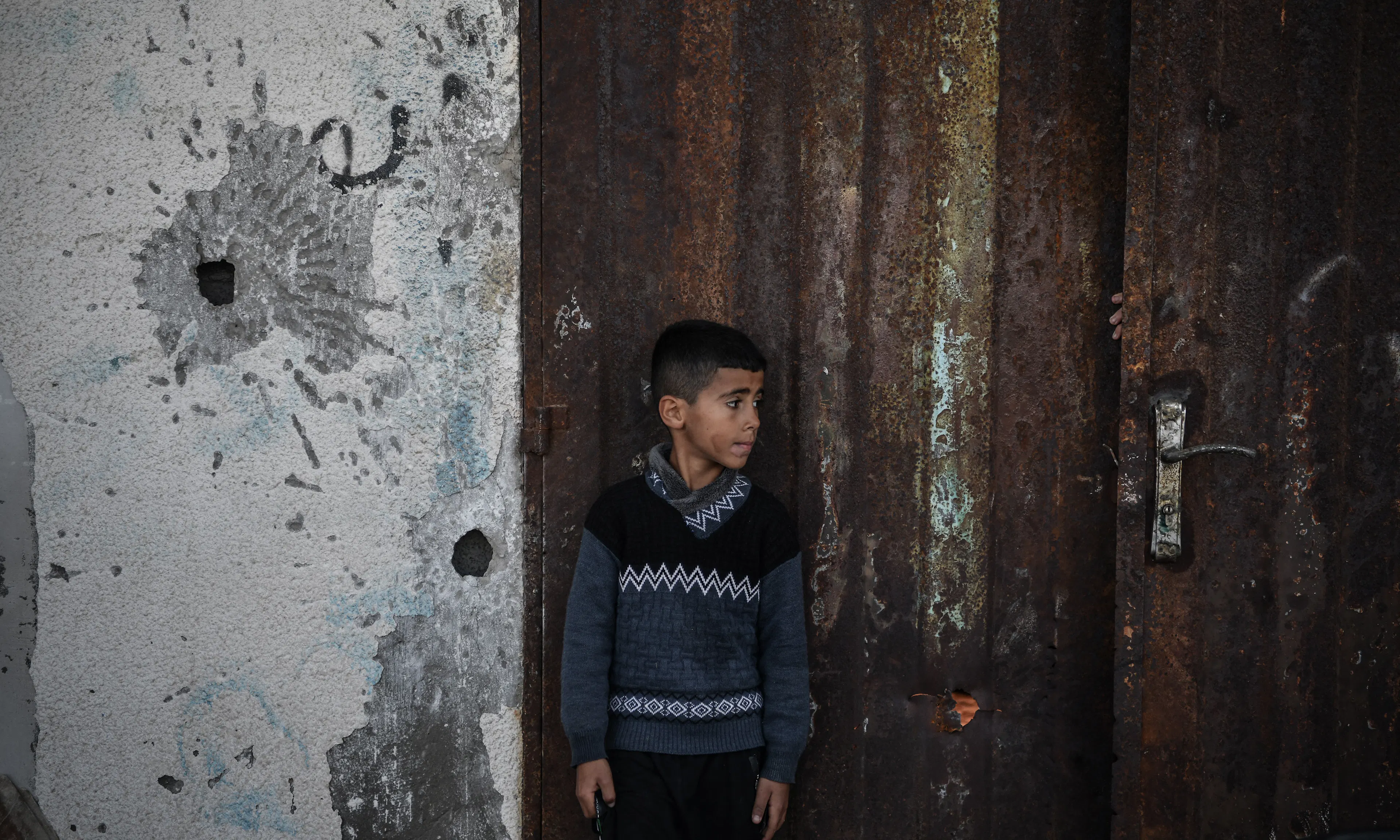
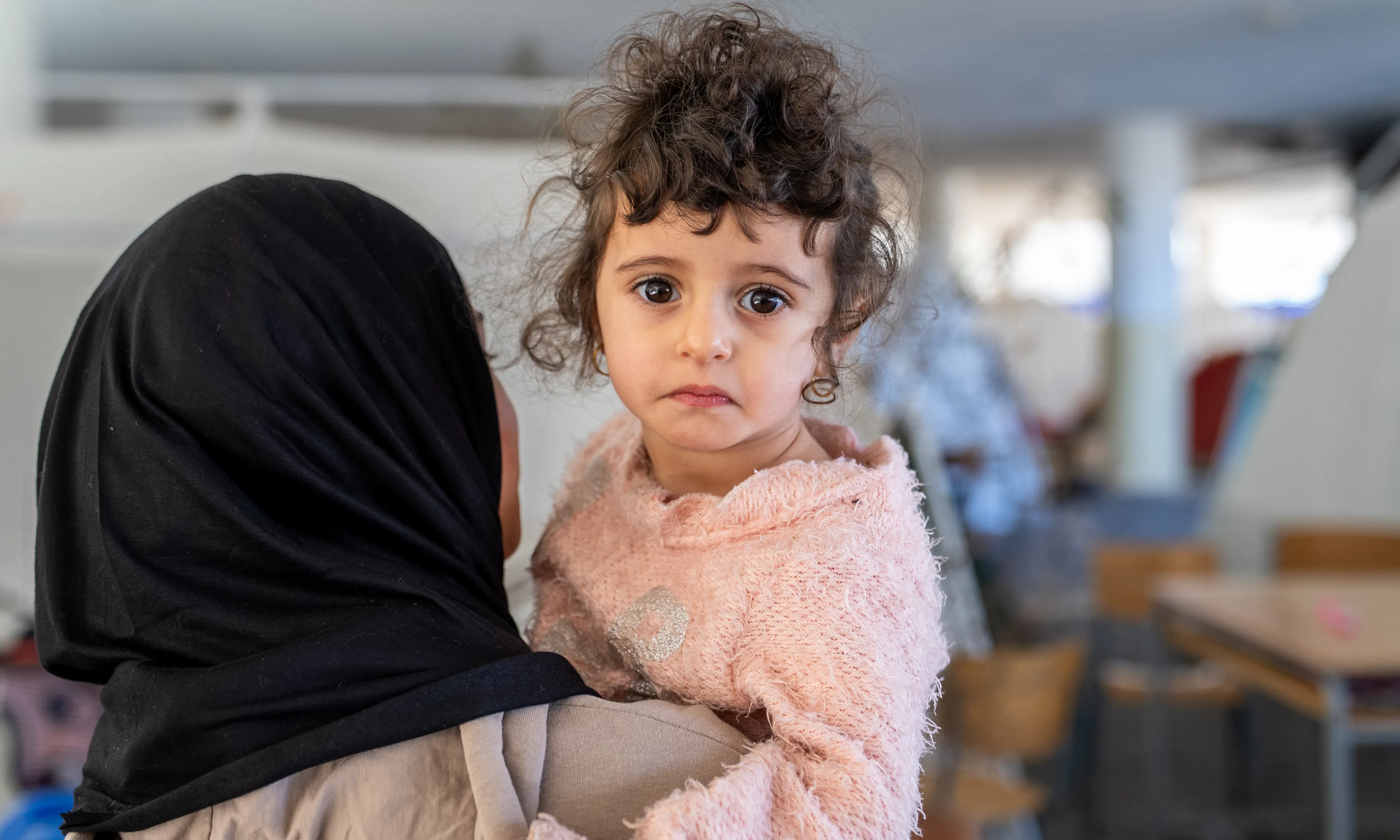
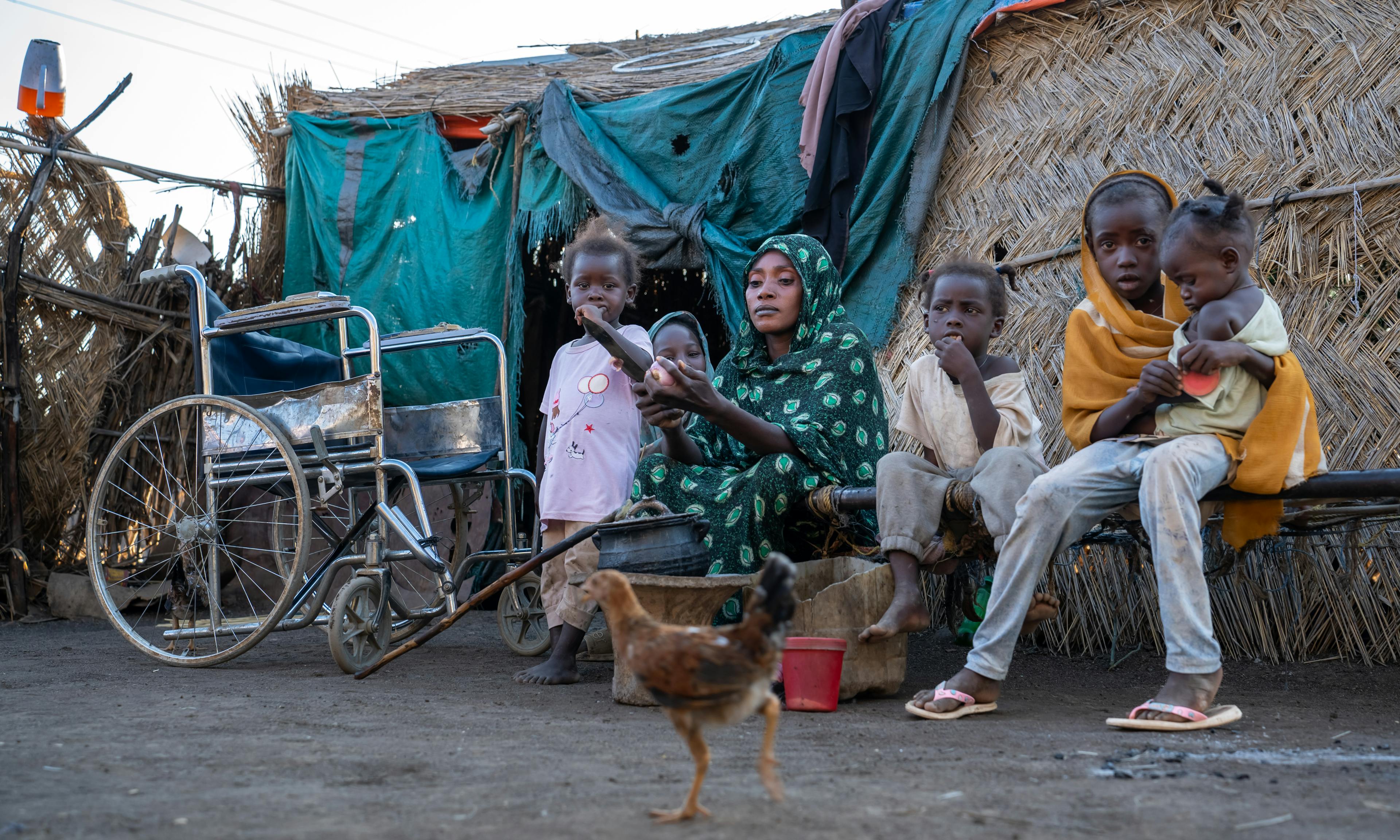
Children, as always, are among the most vulnerable and the condition of newly displaced children and women is desperate. Thousands have had very little to eat since fleeing. Their access to clean water and health care has been minimal. Hundreds of children are presumed to have been separated from their families, forced to fend for their survival on their own.
In Kayna, Ms. Farrow visited a therapeutic feeding centre that had been looted by armed groups. “This would have been full of children, sick children,” says Ms Farrow. “How can 100 armed men come and chase sick and severely malnourished children into the forest, take everything including the little food that they had, therapeutic feeding stuff, their milk – and how can they square that with themselves?”
For the second year in a row, the school year that just started has been disrupted for tens of thousands of children. Ms Farrow spoke with concerned parents in Rutshuru, a village that is now under rebel control. “Even in the schools everything was looted, all the material, everything,” one parent told Ms Farrow.
Displacement creates emergency situation
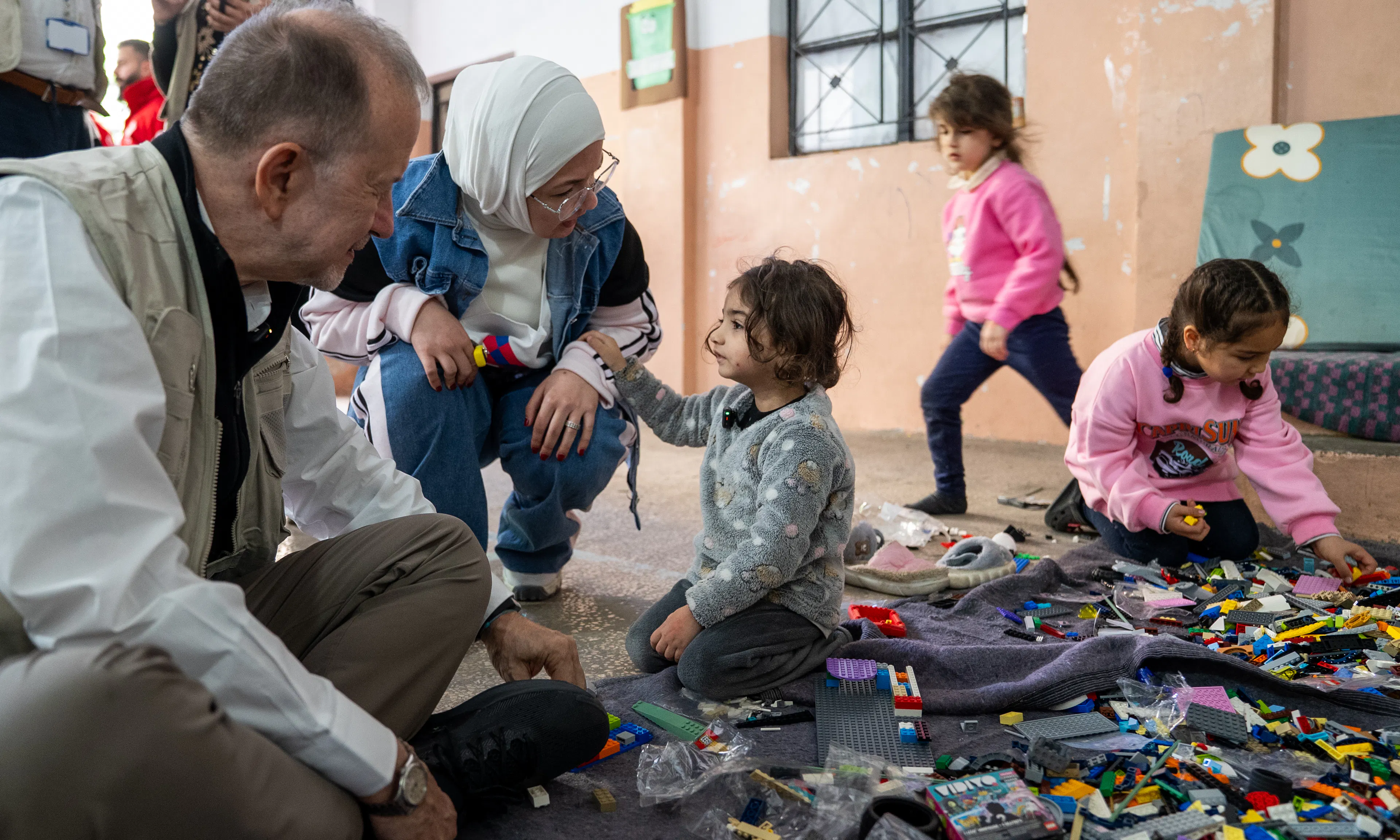
Ms Farrow is also visiting areas of displacement in North Kivu to see how UNICEF and its partners are responding to the needs of children and their families in an area where the violence seems to continue without an end in sight.
Ms Farrow was deeply affected by what she saw, as well as by the children who greeted her in the camp: “There are perpetrators, and there are victims, and here is where I am, looking at the victims, and feeling all that you feel for them, because they’re caught between these crosscurrents of violence. The UNICEF staff here are really working night and day trying to address the emergency situation.”