For all news enquiries please contact Karen on 04 815 9387 or email karen@unicef.org.nz
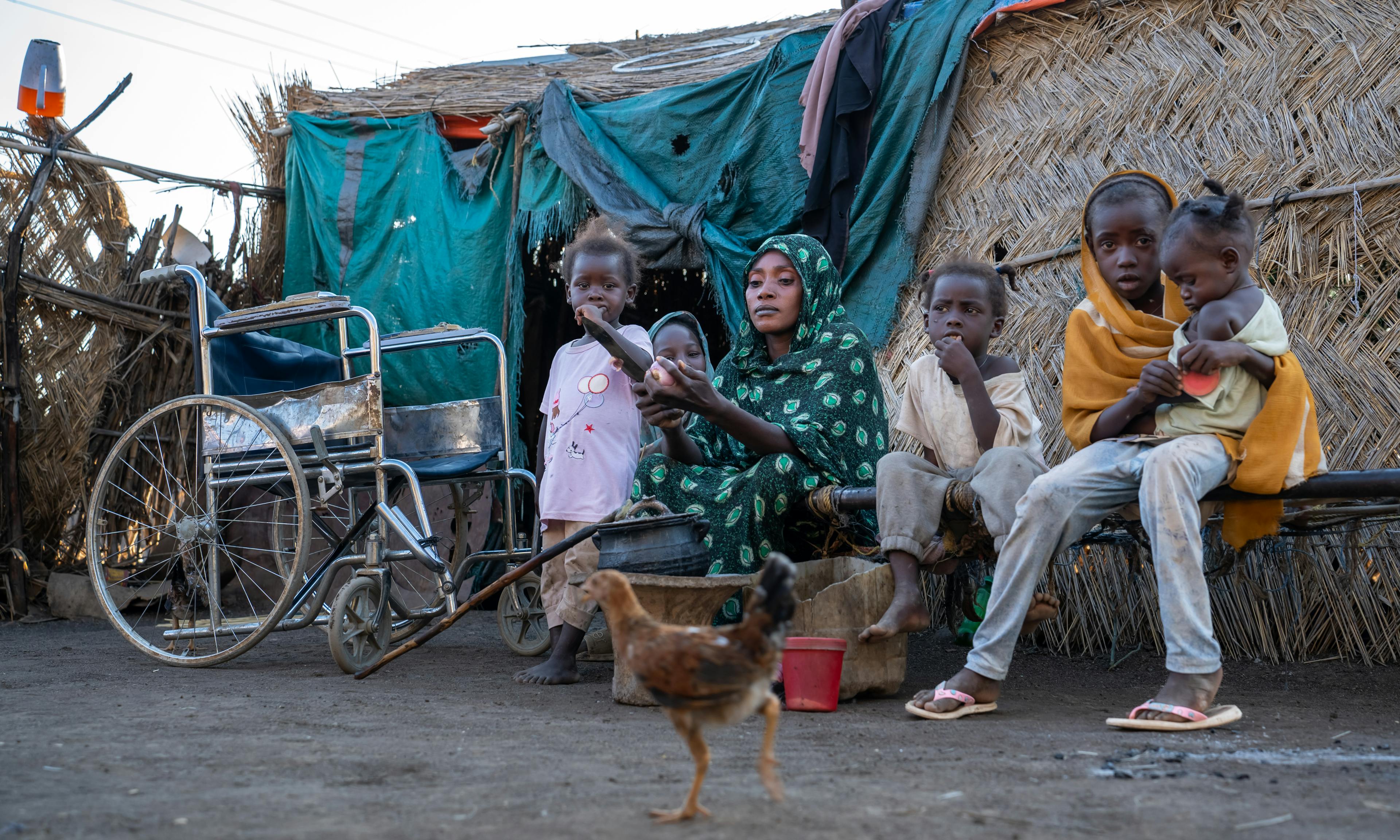
The UN estimates that more than 150,000 people, including large numbers of women and children, have been displaced as a result of the conflict. Almost 90,000 people are believed to be in need of immediate assistance. The UN as a whole is calling for $58 million to meet humanitarian needs for the next six months.
This is the first time that Gori has been accessible since the recent outbreak of hostilities. The UNICEF team - which brought with it essential water and hygiene supplies - reported that the town appeared deserted except for elderly and others who were too sick to leave. Some apartment buildings had sustained damage and there are reports of looting.
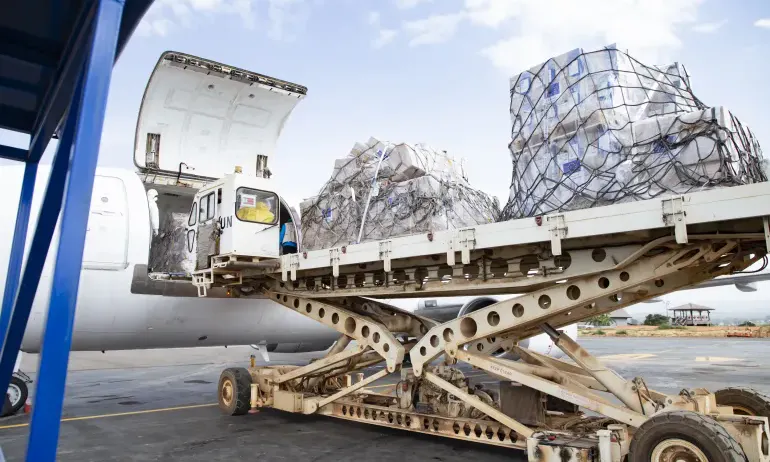
UNICEF is working closely with other UN agencies, NGOs and governments in the region to coordinate the response around water, sanitation and education needs. For example, 3,000 emergency drinking water kits and 1,250 jerry cans have been airlifted to the Georgian capital Tbilisi. Other supplies shipped in by UNICEF include 250,000 water purification tablets and 500 school-in-a-carton kits.
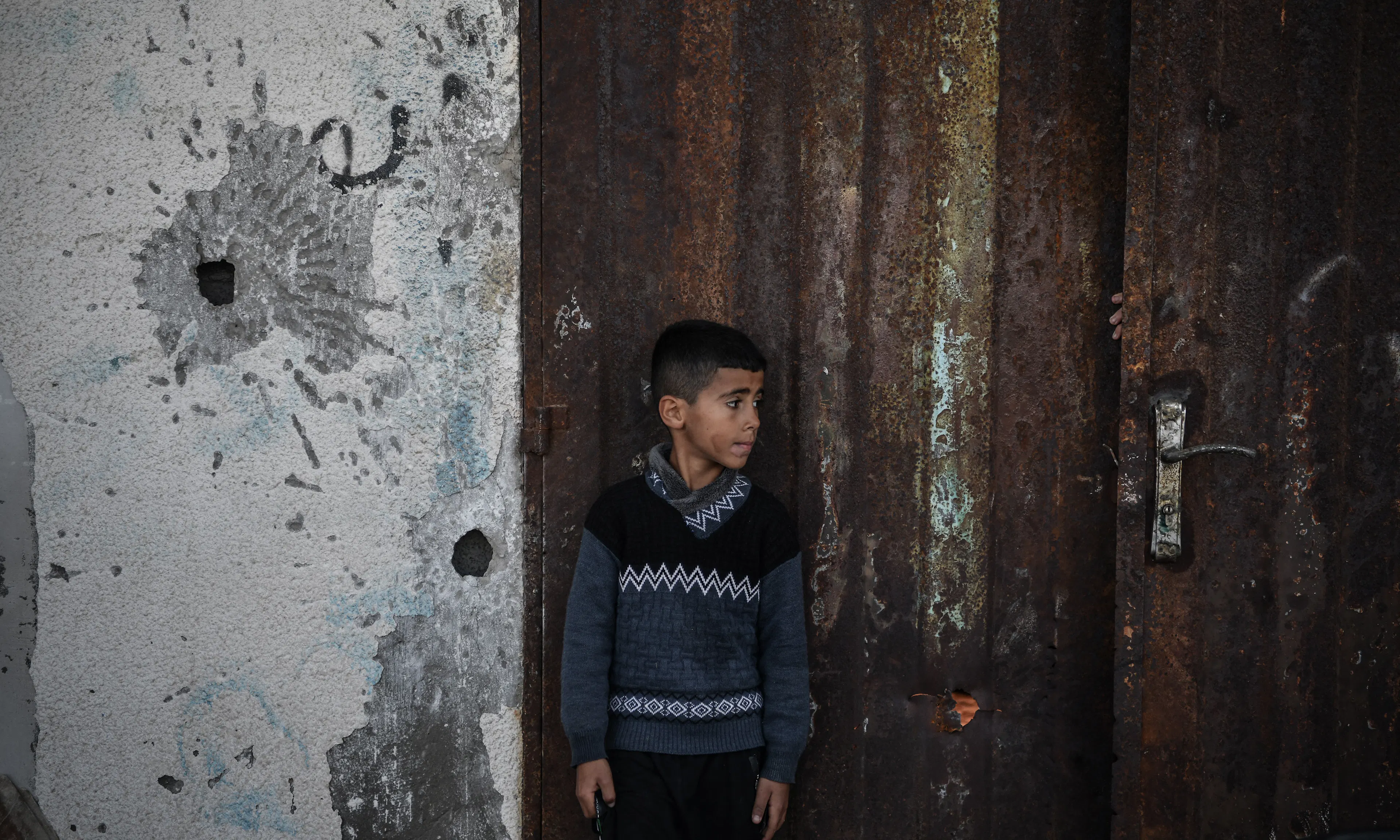
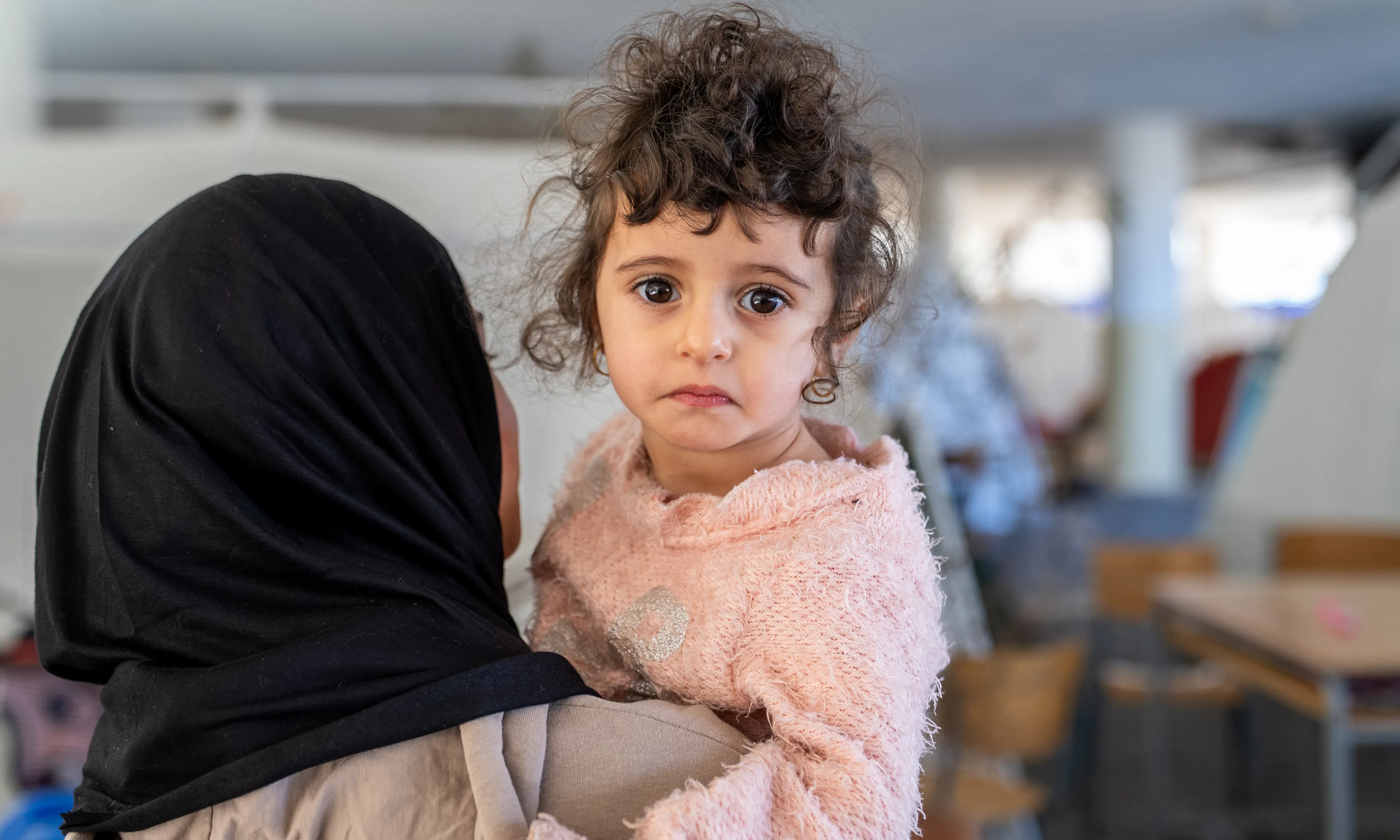
The conflict is also taking a heavy psychological toll on children. Many children appear to have personally witnessed shelling and other military actions.
An example is the Mindiashivili family with children aged 6, 8 and 11, who were caught by heavy shelling twice when trying to flee their village of Kemerti.
"While driving, one of the helicopters was following us," recalls mum Maya Mindiashvili.
"We thought it was going to bomb us. The children were looking through the window and saw several houses exploding. The children were asking me: ‘will I die if the bombs fall on our car?'"
Her children are having nightmares and the younger two cannot get to sleep without the use of sedatives.
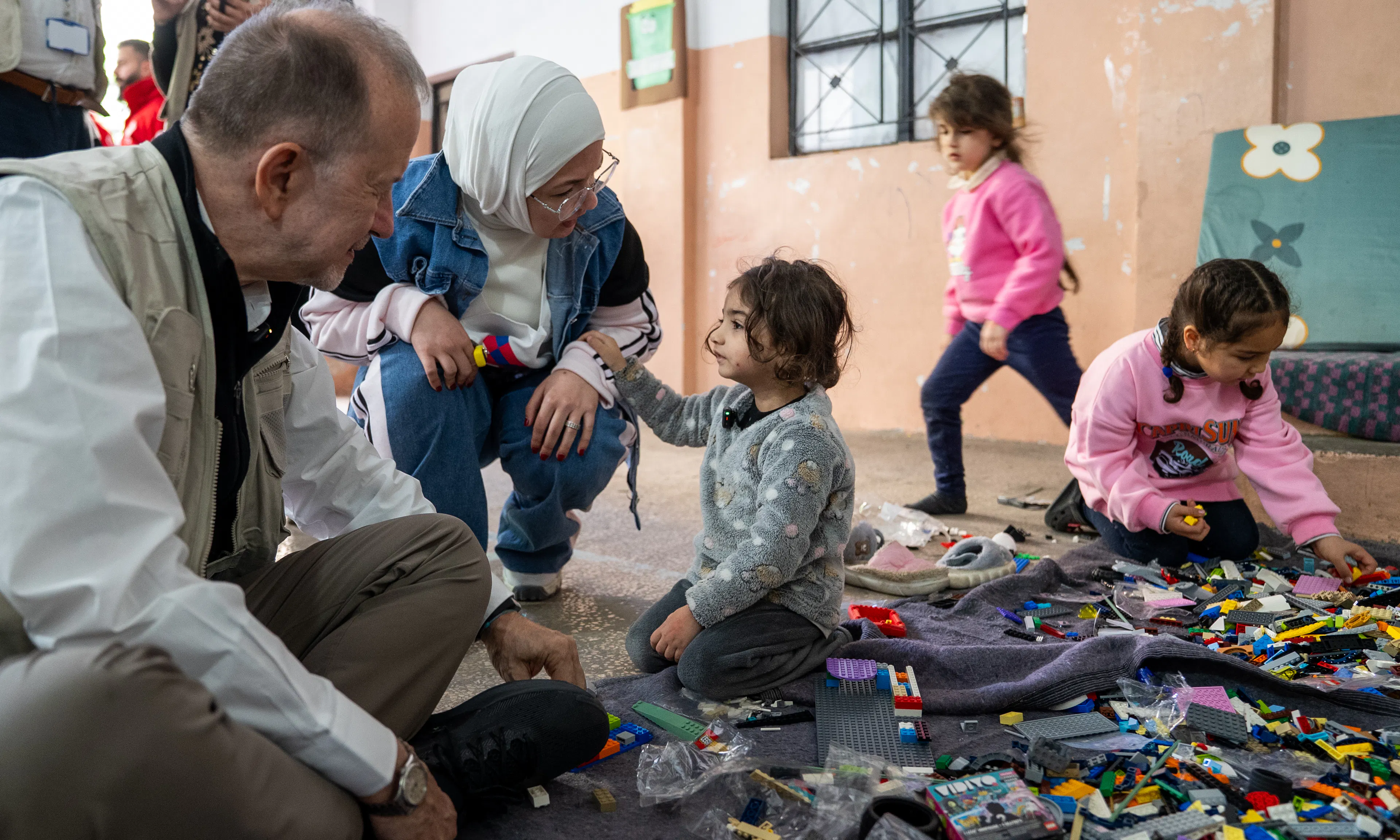
Apart from meeting immediate needs, UNICEF is also assessing the extent of the need for psycho-social rehabilitation programmes for children.