For all news enquiries please contact Karen on 04 815 9387 or email karen@unicef.org.nz
The report, to be issued by the Food Security Analysis Unit of the UN Food and Agriculture Organization, indicates a "worst-case scenario," according to UNICEF Representative in Somalia Christian Balslev-Olesen.
It notes that over the next 12 months, 3.6 million people - one-half of the population - will be totally dependent on food aid and emergency assistance.
"We have never been in a situation so severe. Never, ever before," says Mr. Balslev-Oleson.
You can make a difference by donating to UNICEF's global food crisis appeal.
Feeding clinics established
UNICEF and its partners are providing a package of life-saving emergency interventions for Somalia's children, treating 5,200 severely malnourished children in camps every month, through outpatient feeding clinics and stabilization centres.
At the ‘100 Bush' camp for people displaced by conflict in Bossaso, northeast Somalia, every child under the age of five is receiving 10 kg of nutritious UNIMIX, a high-protein, vitamin-rich food supplement.
UNICEF has coordinated with local officials and villagers in an outreach programme to provide the food aid.
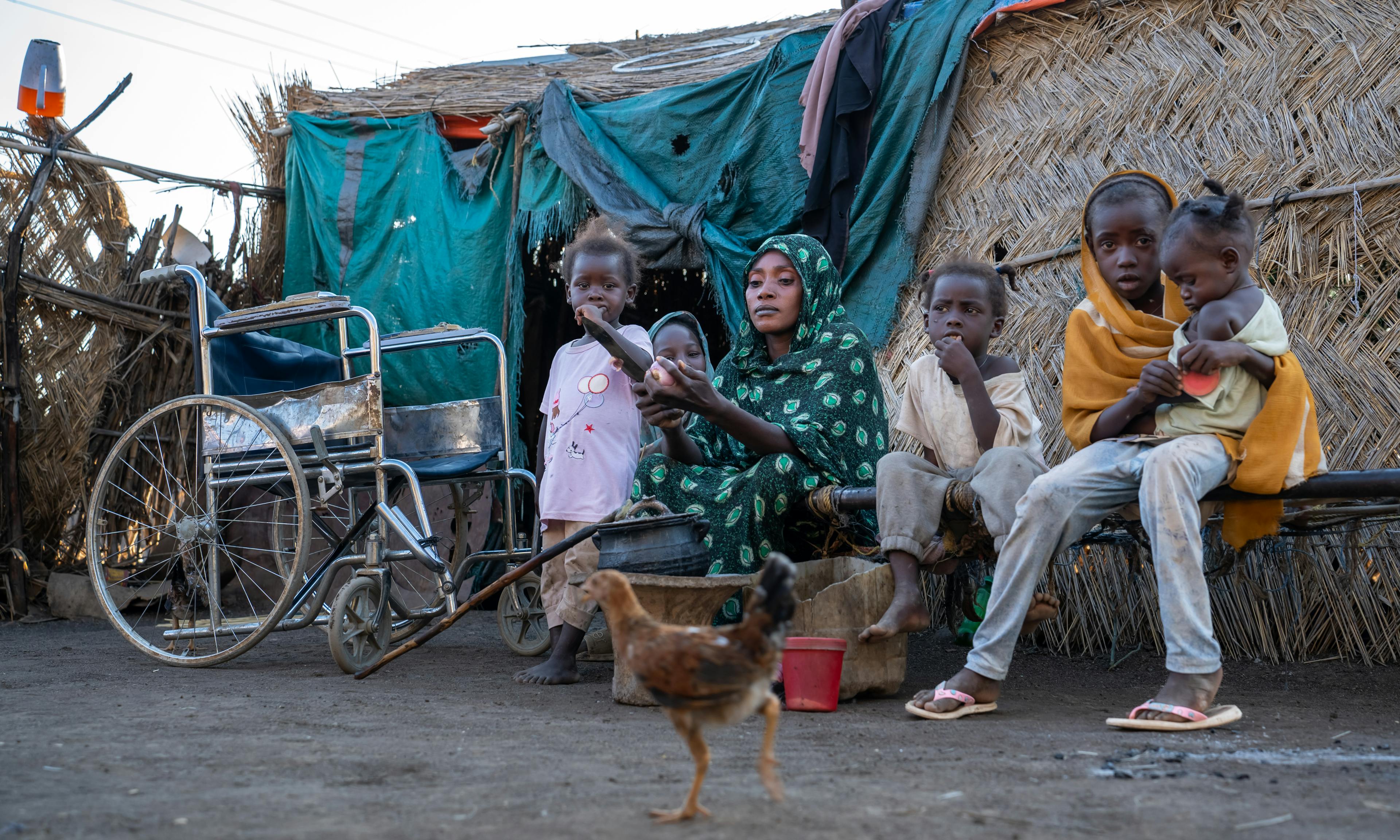
An estimated 36 per cent of children in Somalia are underweight, and one in six is acutely malnourished.
"The good news is, we can see - and we can document - that we have had an impact by doing this feeding programming," says Mr. Balslev-Olesen.
Take the case of one-year-old Asha, who with her mother Khadija left their hometown Mogadishu in search of greater security. It's been eight months since they arrived in Bossaso and Asha is now suffering from severe malnutrition.
"Asha was fine when we left Mogadishu," says Khadija. "Before, I was able to feed my children three times a day because I had a stable job. Here, I can hardly feed them once a day. I can't afford it."
Treating acute and severe cases
The recent outreach efforts in Bossaso gave mother Khadija the chance to bring Asha to a UNICEF-supported mobile clinic, part of the Outpatient Therapeutic Programme (OTP), where cases of severe malnutrition are referred by community health workers.
At the OTP clinic, children receive high-protein, high-energy therapeutic foods, including UNIMIX and Plumpy'nut. At the same time, their conditions are closely monitored on a regular basis by UNICEF-trained staff.
The OPT team referred Asha to the inpatient Stabilization Centre based in Bossaso Hospital, another UNICEF-supported intervention that serves children with severe malnutrition and medical complications.
"Severely malnourished children who are facing medical complications like loss of appetite, diarrhoea and vomiting need special care before even being helped to regain their weight. It could even be fatal to give them normal food," says UNICEF Nutrition Officer Mathieu Joyeux.
Children admitted to the Stabilization Centre receive round-the-clock medical care from trained professional staff, and their mothers are provided with free accommodations and meals.