For all news enquiries please contact Karen on 04 815 9387 or email karen@unicef.org.nz

1.4 million people affected by floods in India

29th October 2008
0 Comments

The state of Bihar in India has been hit by the worst floods in 50 years, which started after the Kosi River broke a dam in Nepal and breached mud embankments in Bihar a week ago. Over 1,000 villages in 13 districts of north Bihar have been affected, causing large-scale displacement.

According to government figures, up to two million people will be affected. The official death toll is 55, although this figure is rising. More than 70,000 people have also been displaced in Nepal.

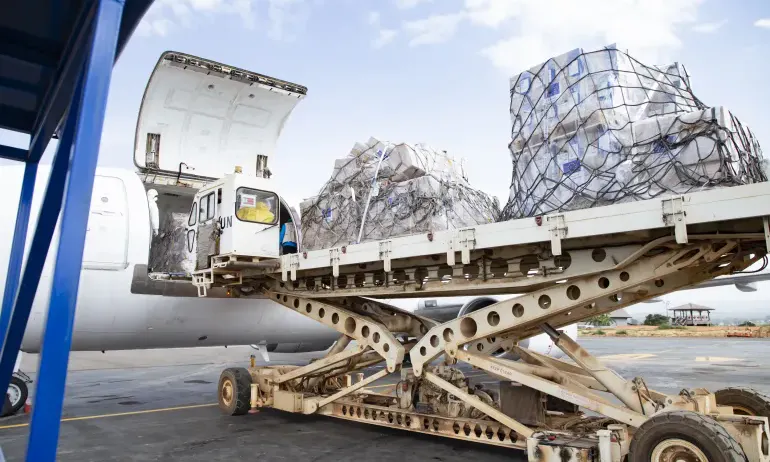
The floods have caused extensive damage and disruption to roads, water, and electricity supplies in the affected areas. Essential commodities, including food, are now being transported by boat.

UNICEF is responding with water, shelter and medicines as families crowd into relief camps in one of India's poorest states. The displaced families will not be able to return to their homes for another couple of months until the embankment is repaired.

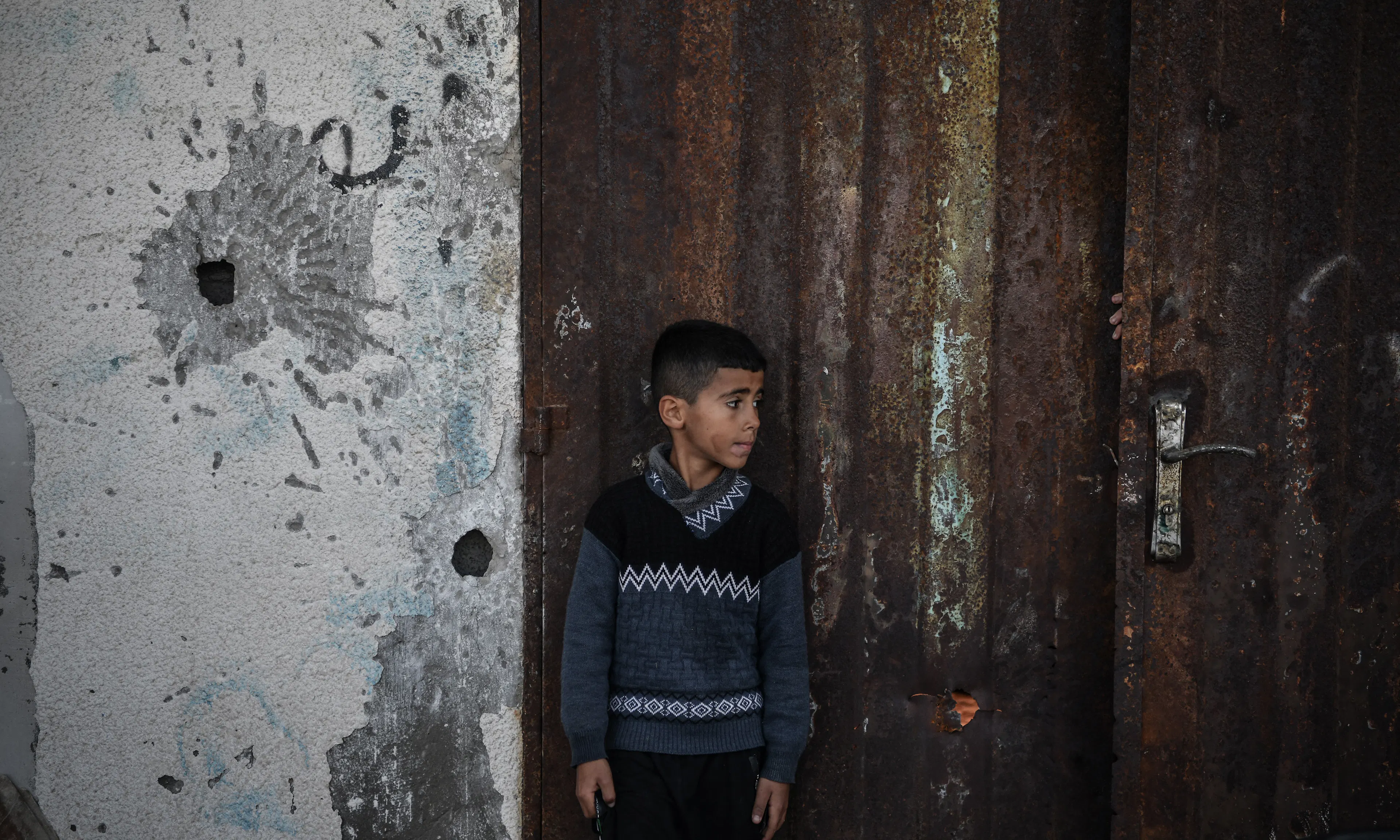
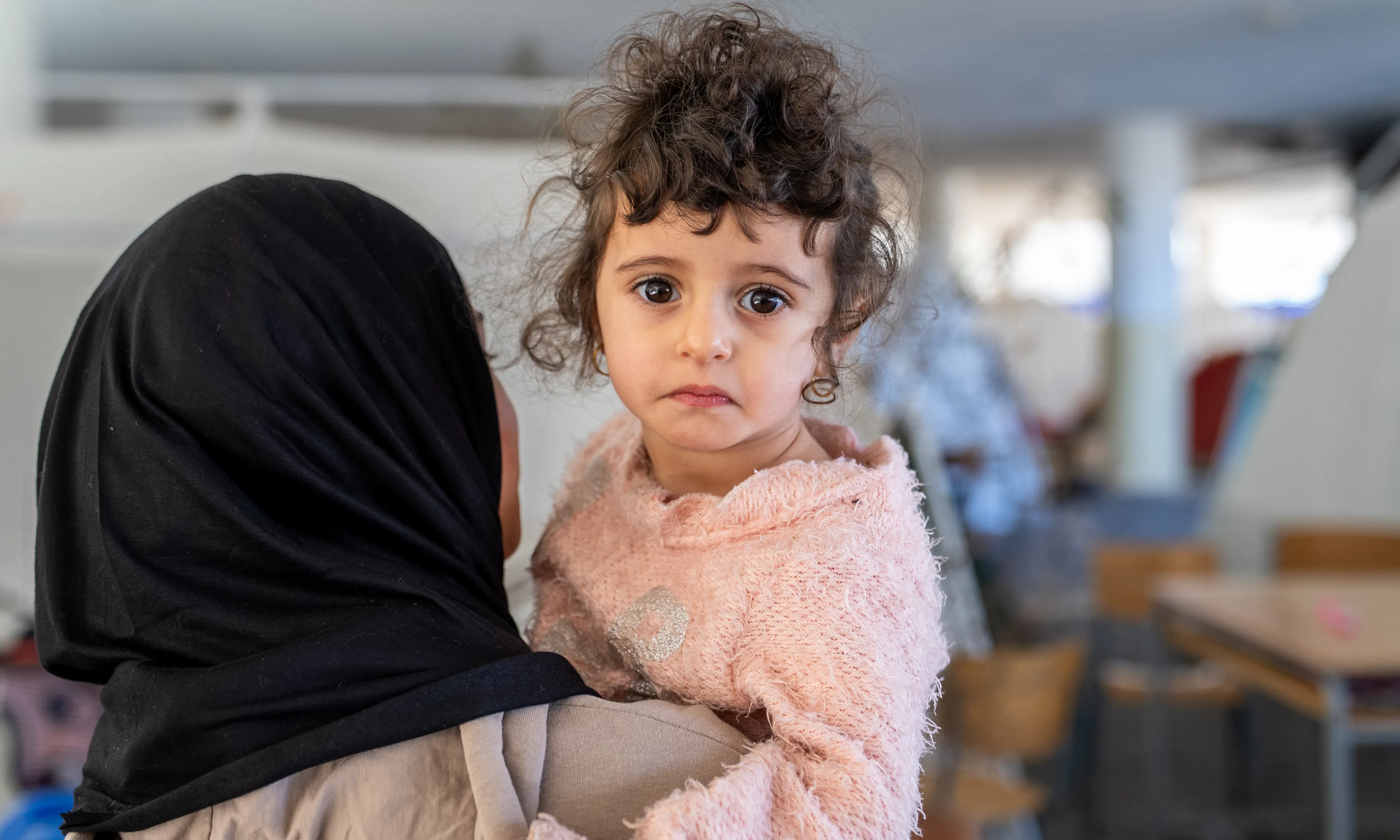
Displaced children, pregnant women and the elderly face additional challenges due to the extremely hot weather. The heat, combined with limited supplies of safe drinking water and poor hygiene conditions, poses a great risk of disease. Cases of fever and diarrhoea have already been reported.

UNICEF staff have been to three of the worst affected districts, providing essential supplies to some 8,000 families. Working with local authorities and partners, UNICEF has provided tarpaulin sheets, jerry cans, hygiene kits, water purification tablets, life-jackets, halogen tablets, bleaching powder and oral rehydration salts.

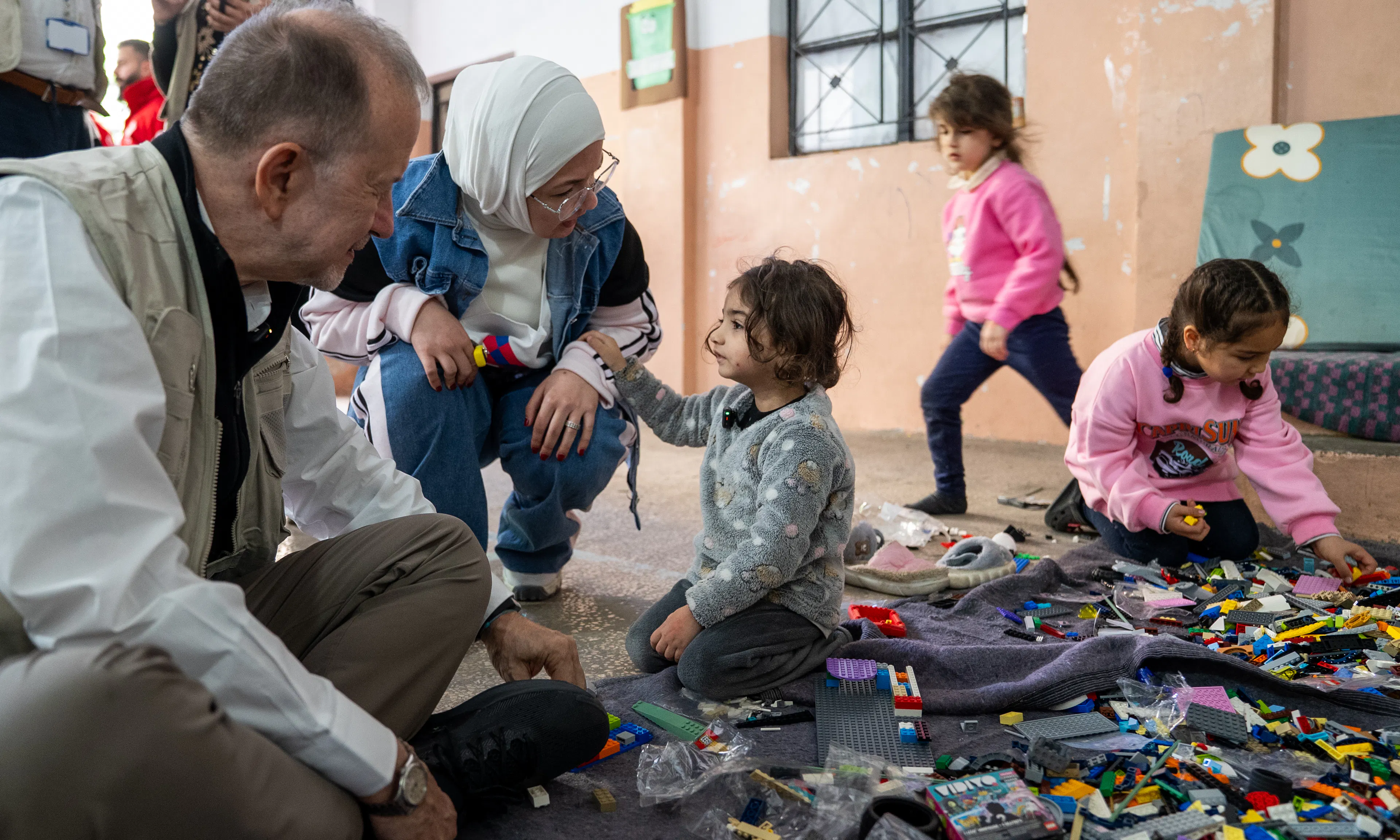
The flooding has also caused significant damages in Sunsari and Saptari district, south eastern Nepal, displacing at least 70,000 people. In addition, over 5,000 people from Bihar have crossed into Nepal to seek relief from the floods. Many of the displaced are sheltering in schools, and around 30 per cent of those are children.

In Nepal, UNICEF has already provided relief items to over 10,000 people in temporary settlements and is seeking to reach 55,000 affected people in total. In collaboration with government agencies, UNICEF has delivered basic relief items including blankets, tarpaulins, kitchen utensils and water purification tablets. UNICEF will also help install temporary latrines in all shelter sites.

UN agencies are appealing for additional resources from donors to replace depleted stocks that had been pre-positioned in the region, to help sustain the ongoing humanitarian effort and to fund early recovery activities.