• UNICEF News
  • UNICEF report: Crisis in the Horn of Africa Far From Over

For all news enquiries please contact Karen on 04 815 9387 or email karen@unicef.org.nz

UNICEF report: Crisis in the Horn of Africa Far From Over

21st October 2011
0 Comments
The massive international response to the child survival crisis in the Horn of Africa has already shown some positive results, but much more needs to be done to save hundreds of thousands of children at risk of dying from malnutrition and disease, UNICEF said today in a progress report three months after famine was declared in parts of Somalia.

”We have saved many children, in Somalia, in the refugee camps in neighbouring countries as well as in the other regions in Kenya, Ethiopia and Djibouti hit by prolonged drought, escalating food prices and conflict,” said Elhadj As Sy, UNICEF Regional Director for Eastern and Southern Africa, releasing the report: Response to the Horn of Africa Emergency.

“Due to the magnitude of the humanitarian crisis, we have to increase our immediate response and at the same time lay the foundation for long-term development to prevent a similar catastrophe from happening again.

“Now we need more support to scale up our integrated interventions in health, nutrition, food security, water and sanitation, education and child protection to create a better future for the children in the Horn of Africa.”

Some 13.3 million people need assistance. More than 450,000 Somalis have fled to the refugee camps around Dadaab in northeastern Kenya, including 100,000 since June. Another 183,000 Somalis have fled to Ethiopia, including more than 120,000 to the refugee camps in Dollo Ado, 20,000 refugees went to Djibouti.

Thousands of children have already died, and more than 320,000 – half of them in Central and South Somalia - are so severely malnourished that they may perish as well in the coming weeks and months, if relief operations are not scaled up rapidly.

Dennis McKinlay, Executive Director at UNICEF NZ, travelled to the region last week to see first-hand the scale of the emergency and the work UNICEF is doing to alleviate this, “New Zealanders have been incredibly generous, raising almost $600k for the children in the Horn of Africa. I can confirm that this money is being incredibly well spent and in some cases is literally saving lives.

“I visited Dadaab and other areas where people are recovering from some terrible ordeals in order to survive but the scale of the work UNICEF is doing to support them is amazing. I visited a vital medical centre being kept open because of UNICEF’s support, I met children surviving because of therapeutic foods supplied by UNICEF and I witnessed UNICEF cash transfer schemes in action. All of this is making a massive difference and New Zealanders, through their support for UNICEF NZ, are helping to make this happen.

The report found that the international response has been extraordinary. Thanks to all the support, in the past three months UNICEF and partners across the Horn have achieved important results on which to build, including:

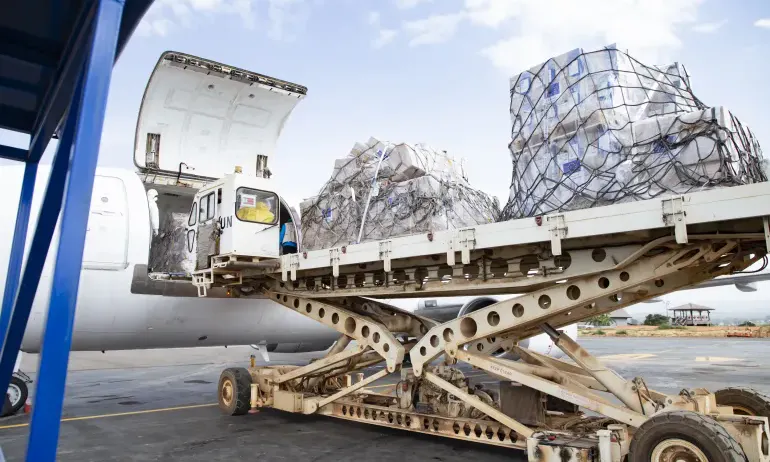
•   Almost 10,000 metric tonnes of life-saving UNICEF supplies delivered to the Horn of Africa by air, land and sea routes,
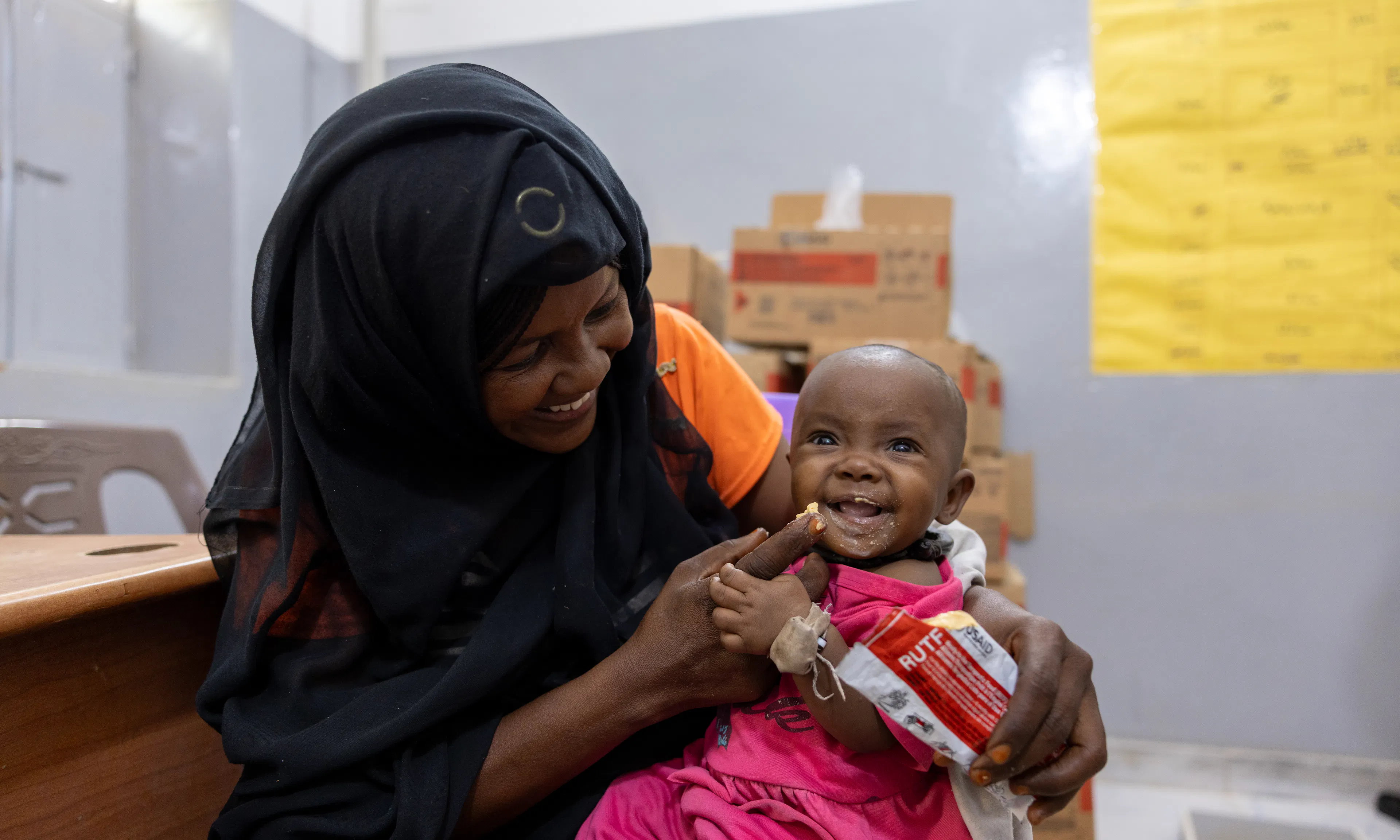
•   108,000 severely malnourished children treated through therapeutic feeding centres,
•   1.2 million children vaccinated against measles,
•   2.2 million people provided with access to safe water and
•   48,000 children with access to child-friendly spaces or other safe environments.

The report also found that community-based systems like the Productive Safety Net Programme and the Health Extension Programme in Ethiopia have been instrumental in preventing higher death rates.

In Central and Southern Somalia, where access for humanitarian agencies is limited, UNICEF has been able to reach 350,000 people with supplementary feeding and some 30,000 families with cooked meals while they were on their way to the refugee camps in Kenya and Ethiopia.

“The work I saw in Kenya was impressive, but what UNICEF has achieved in Somalia with our partners is also outstanding. Our six offices there continue to operate and provide water, food, medical and educational supplies in a very difficult operating environment,” McKinlay added.

Forecasts for the October-to-December rainy season indicate that food security may improve in Kenya and Ethiopia, where rains have recently began. Still, experience also shows that seasonal rains, after prolonged drought, increase the risk of flooding and outbreaks of deadly diseases such as cholera, malaria and pneumonia.

In Central and Southern Somalia, the situation will rather deteriorate further if humanitarian access cannot be improved rapidly and significantly.

“We need to go the extra mile to reach all children and their families who need our help. The crisis is far from over, and will definitely continue well into 2012,” said Elhadj As Sy, who is the UNICEF Global Emergency Coordinator for the Horn of Africa crisis.

“One thing is clear: with continued support from our donors and partners, our combined efforts to save lives, livelihoods and ways of life will make a difference.”

UNICEF’s total funding requirements for the emergency response stand at over US$360 million until the end of 2011. There is still a shortfall of over $50m and UNICEF NZ urgently needs funds. Life-saving measures are not expensive with a packet of therapeutic food costing just 70 cents. Please donate now at http://www.unicef.org.nz/ or call 0800 800 194

Please note: The full report can be accessed at http://www.unicef.org/esaro/5440_Horn_of_Africa_report.html

0 Comments

Post A Comment

Don't worry, we wont make this public