For all news enquiries please contact Karen on 04 815 9387 or email karen@unicef.org.nz
UNICEF Launches Appeal in Response to Most Extreme Crises – Humanitarian Action for Children Report (2011)
8th March 2011
UNICEF, United Nation’s Children’s Fund, released the Humanitarian Action for Children Report 2011 today (7 March), requesting USD $1.4 billion (NZD $1.9) in its annual appeal to donors to assist children and women caught in the throes of crises. 0 Comments
This year’s appeal highlights 32 countries, including Sri Lanka, Philippines and Pakistan, and emphasizes the increasing importance of strengthening the resilience of communities.
Dennis McKinlay, UNICEF NZ Executive Director, said; “As the recent devastating events in Christchurch have shown, disasters can strike anywhere at any time with huge impact on communities.
“In New Zealand and the developed world we have good governance and high levels of preparedness which make a crucial difference when an emergency situation occurs. In the developing world these infrastructures are often absent with catastrophic immediate and long-term impacts for the most vulnerable, namely children”.
The unprecedented scale of the disasters in Haiti and Pakistan in 2010 triggered an extraordinary global response from all humanitarian organizations and partners. Yet it also underscored the need to strengthen preparedness and risk reduction in the communities that are hit repeatedly by crisis. Granting vulnerable communities the skills to face and withstand risk is an increasingly important component of humanitarian action, and an area to which UNICEF is deeply committed.
The world witnessed overpowering humanitarian crises in 2010: flooding in Pakistan submerged one-fifth of the country; the earthquake in Haiti claimed over 200,000 lives and displaced millions; the parched earth and lack of food across the Sahel continues to threaten hundreds of thousands of children with severe acute malnutrition.
These emergencies claim the headlines, but there are many more lesser-reported crises affecting the lives of children and families.
McKinlay added, “UNICEF responds to more than 200 emergencies every year like those in Pakistan and Haiti and we know that the number relating to climate related factors is increasing. This trend means it has never been more vital to equip communities with the skills to face and withstand the risk from future emergencies”.
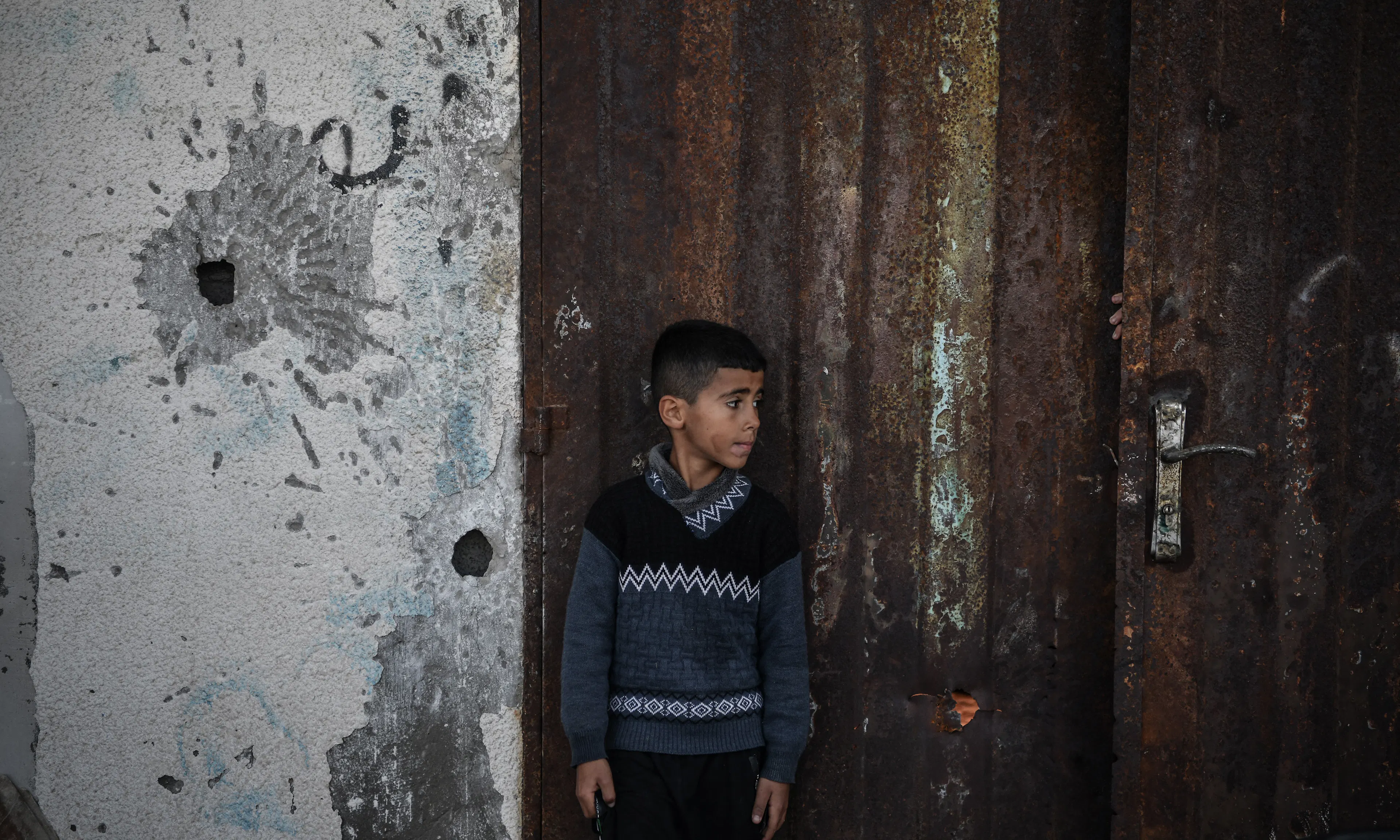
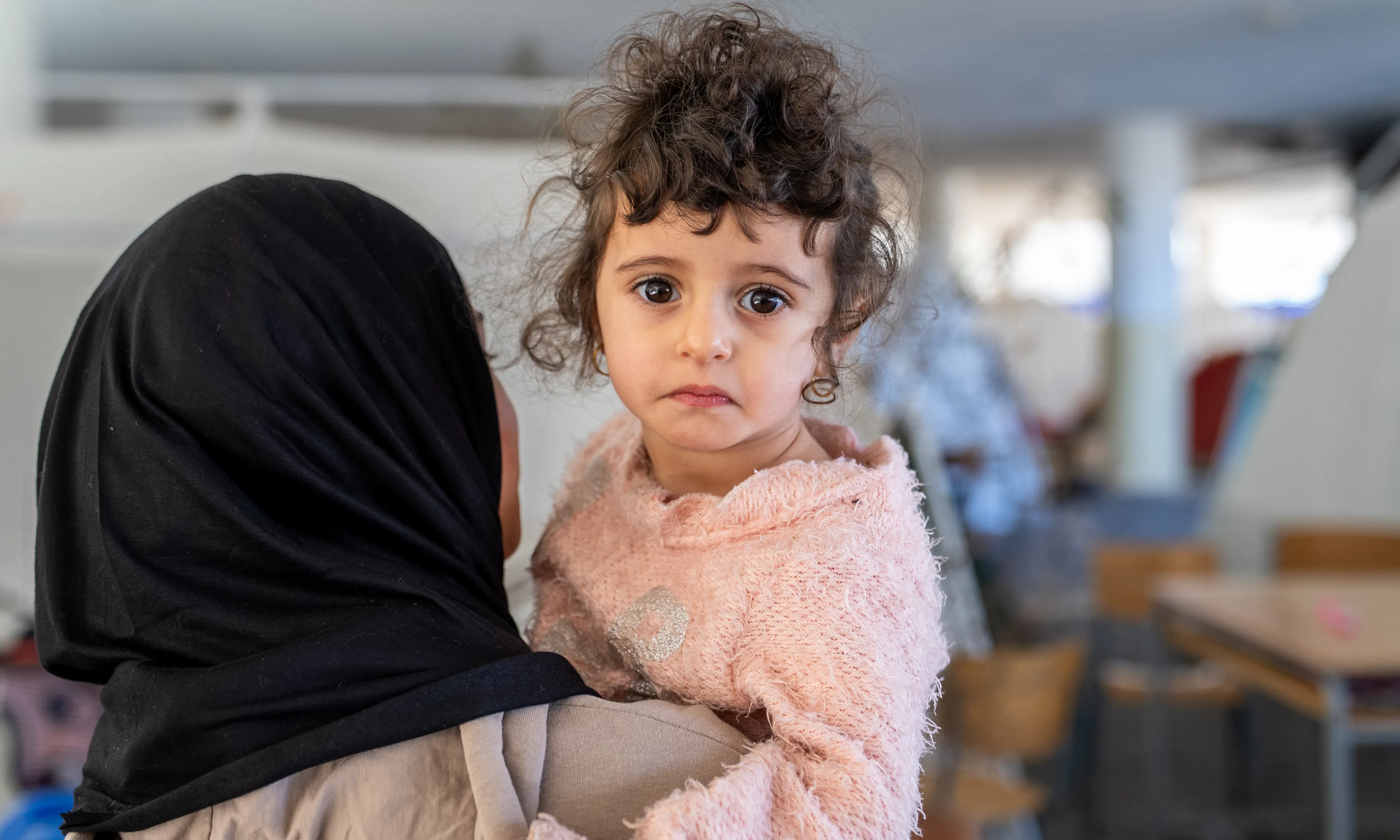
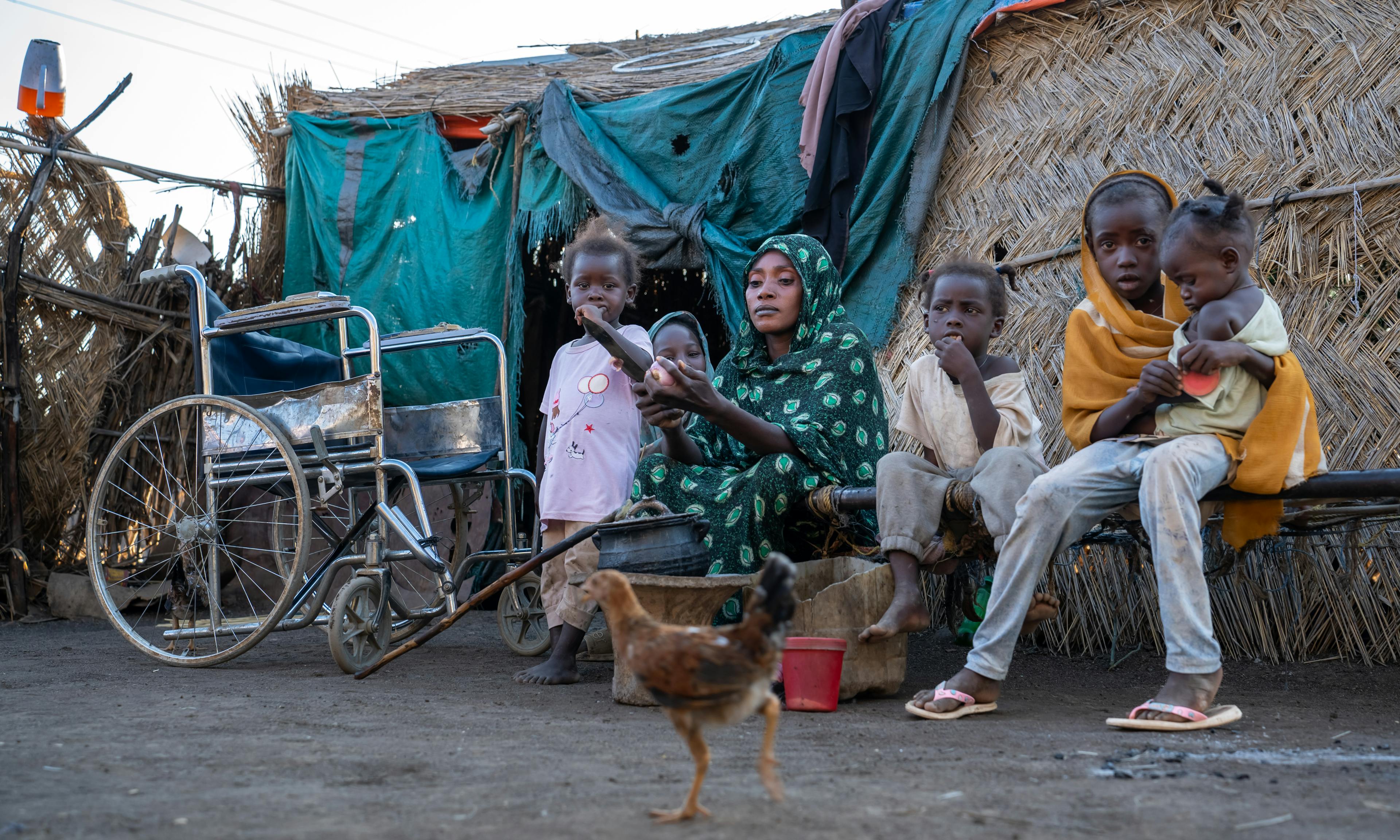
Around the world, drought, famine, violent conflict, and long-term displacement are a reality for millions of people. These humanitarian crises have dire consequences for children, such as recruitment into armed forces, sexual violence, and the loss of basic services such as water, health and education.
In 2010, for example, UNICEF revised its Core Commitments for Children in Humanitarian Action to uphold the rights of children and women in crises. Key changes to the agency’s humanitarian policy now place a stronger emphasis on preparedness before the onset of a crisis, strengthening the link between humanitarian action and development, and highlighting the importance of disaster risk reduction.
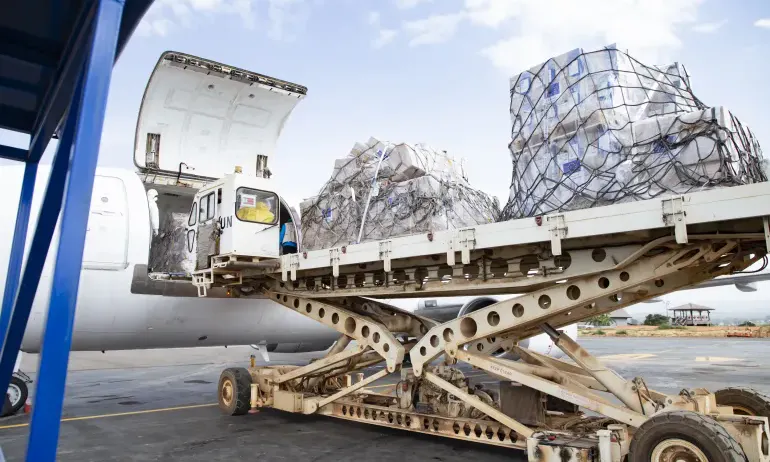
The Humanitarian Action for Children report 2011 presents crises that require exceptional support. It shows where urgent action is imperative to save lives, to protect children against the worst forms of violence and abuse, and to ensure access to basic services, such as water and sanitation, health, nutrition and education.
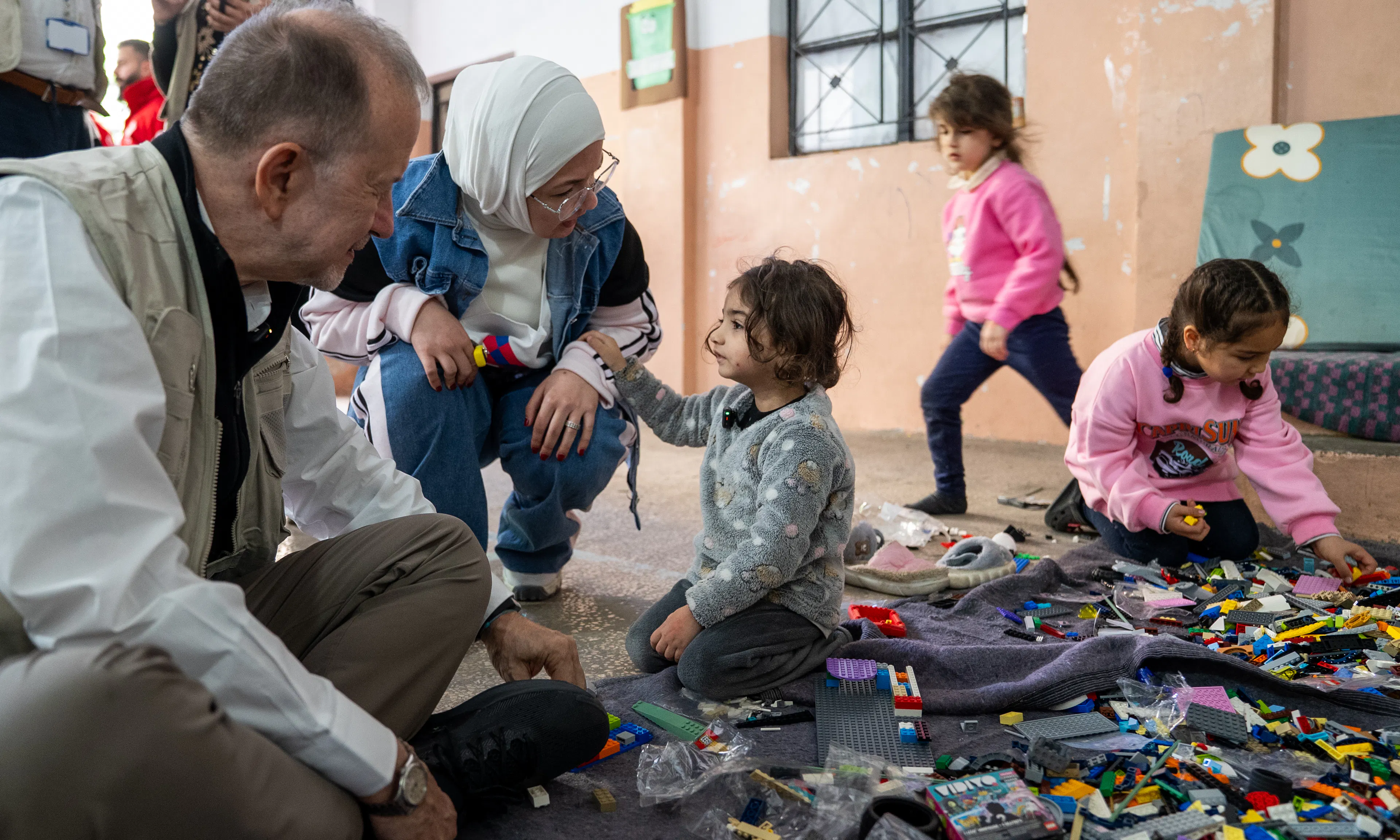
“UNICEF is committed to helping communities ‘build back better’ by investing in smart and sustainable ways to anticipate and counter future risks. This proactive approach aims to counter the long-term threats to children which still exist long after the spotlight has faded,” said McKinlay.
More information:
Read the Humanitarian Action for Children Report 2011
How you can help
Donate to UNICEF NZ's Emergency Fund