• UNICEF News
  • Christchurch Earthquake – Helping children through disasters

For all news enquiries please contact Karen on 04 815 9387 or email karen@unicef.org.nz

Christchurch Earthquake – Helping children through disasters

22nd March 2011
0 Comments
“In any disaster it is children who suffer the most” according to UNICEF’s Emergency Response: Issues and Actions: April 2007.

Here are a few ideas for helping children through a disaster.

Children are particularly vulnerable and need special attention to help them cope with disaster and its aftermath.

Children look to adults for protection, security, care and to make decisions that will bring their life back to normal as soon as possible.  Adults are likely to be struggling to come to terms with disaster themselves and it can be difficult to give children reassurance that they are safe and that nothing will harm them.

But there are a few simple and immediate things that may help minimise the trauma and distress that children feel.

  1. Stay close, listen to children and try to answer their questions and concerns as simply, calmly and truthfully as possible. It’s alright to say “I don’t know – but let’s just wait and see”. Verbalising their fears and being heard may be just as important as having their questions answered.

    You can tell children that everything possible is being done to bring help – the whole of New Zealand and many people in other countries care about what has happened and are finding ways to help.

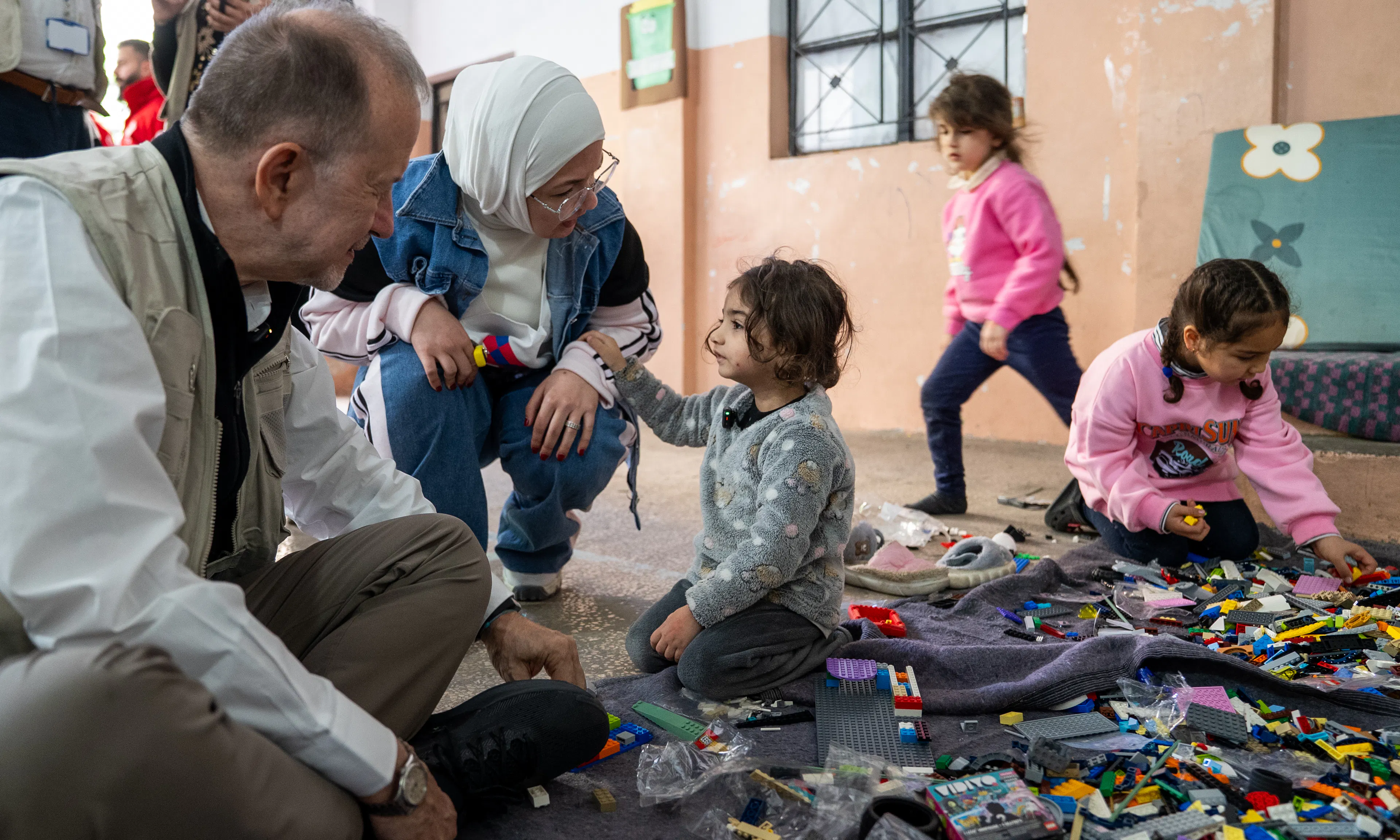
  2. Try to create safe, child friendly spaces – a tent, a room in a house in your street, a hall, a schoolroom with toys, equipment and activities for children.

    Bring children together. Encourage them to play, to spend time with each other and talk about what’s happened….and about other things (e.g. it may be a child’s birthday – acknowledge that and sing).

    Make sure they are well supervised at all times by competent and informed adults who can manage children’s safety in aftershocks or unexpected events or if a child becomes overly stressed or upset.

  3. If possible – give small children a favourite cuddly toy or a new one if that’s not possible. Ask them to look after it and talk to it if everyone else is busy.

  4. Establish whatever “normal” routines are possible – mealtimes, cleaning teeth, dressing and sleep schedules help to normalise life and create some familiarity and stability for children.

  5. Children may have experienced or witnessed terrible events – allowing them to express their distress without judgement or without trying to shut down the conversation, but offering whatever comfort is possible can help. It may be helpful to take the child aside for a quiet, private and restful time to allow them to cope with their feelings. And note if you believe that professional help is required i.e. grievance or trauma counselling.