Niger: 'We don't have any food left in this village'
UNICEF and partners respond as food crisis in Niger reaches a critical level3 August 2010 – Much-needed rains have begun falling across this parched West African country, breaking one of the most devastating droughts in memory. But Niger remains in the grip of a severe food crisis whose effects have been especially hard on women and children.
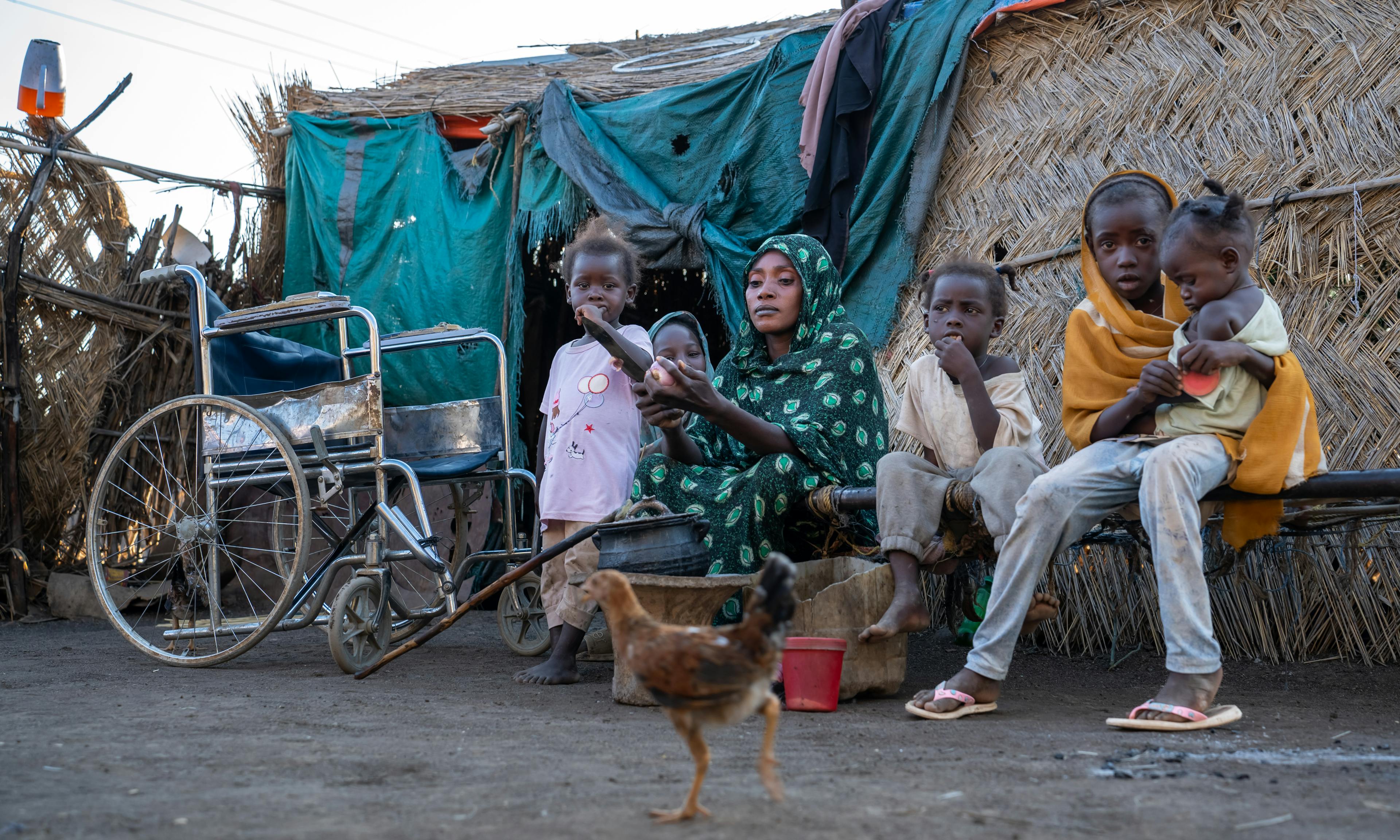
“It’s a disaster. We don’t have any food left in this village,” says Raya Sahi, a mother who has been forced to forage for wild fruits and leaves to feed her family.
Each morning, she is forced to venture into the scorching heat with her youngest four children to pick anza, a wild fruit that survives in drought. Even her toddlers help.
To be made edible, the bitter anza berries need to be pounded, washed with soap and then cooked for three days. Once cooked, this will be this family’s only sustenance, providing little relief from hunger and even less nutritional value.
Medicine, supplies and training
In the town of Doungou, the regional health centre is overrun with undernourished babies and their desperate mothers.“We are at the peak of malnutrition,” says head nurse Illa Malaman. “We’re seeing lots of malnourished children these days because there is nothing left to eat at home. Their mothers and parents simply can’t cope.”
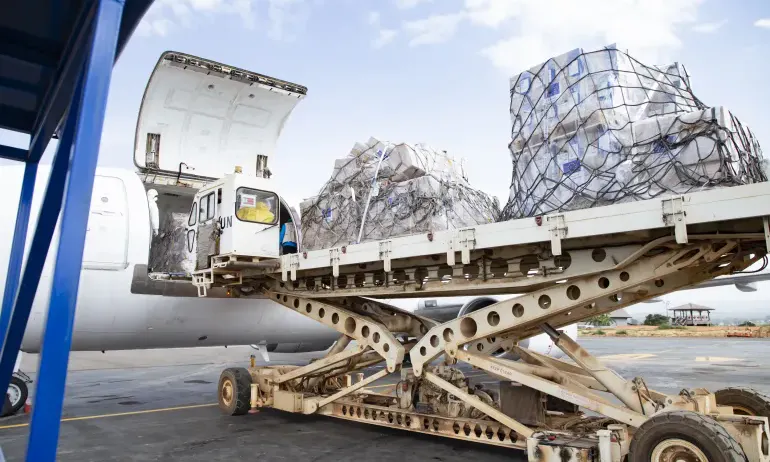
All children under the age of five and all pregnant women receive free health care in Niger; UNICEF is supporting the country’s public health system by providing health centres with medicine and supplies, and training health workers.
Specialised care
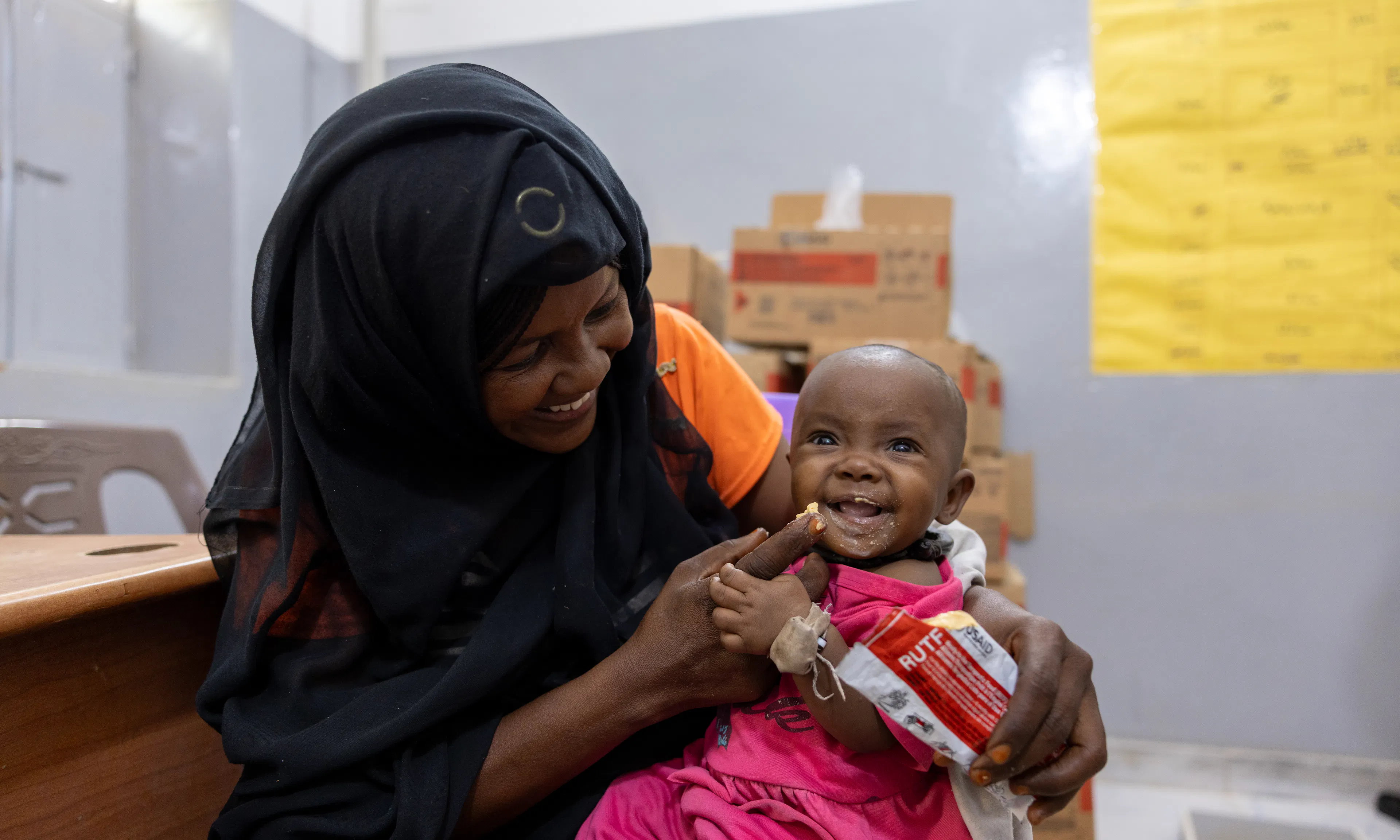
Most of the malnourished children at the health centres are treated with Plumpy'nut, a ready-to-eat therapeutic food supplied by UNICEF. This nutritious, high-energy paste is rich in micro-nutrients and can have dramatic results in a matter of days.Plumpy'nut also allows children to be treated at home because it is requires no preparation. And many children love the sweet, peanut-butter like taste.
While most children recuperate with proper care, preventing new cases is an urgent priority for UNICEF.
‘A lifeline for the children’
To that end, UNICEF has helped the government launch a feeding programme in partnership with the World Food Programme and others. Through the programme, mothers who have at least one child between six months and two years of age receive a ration of oil, sugar and fortified flour.UNICEF is running a Niger Food Crisis Appeal, providing emergency food and long-term solutions to the current crisis. Please donate.