For all news enquiries please contact Karen on 04 815 9387 or email karen@unicef.org.nz
12nd April 2011
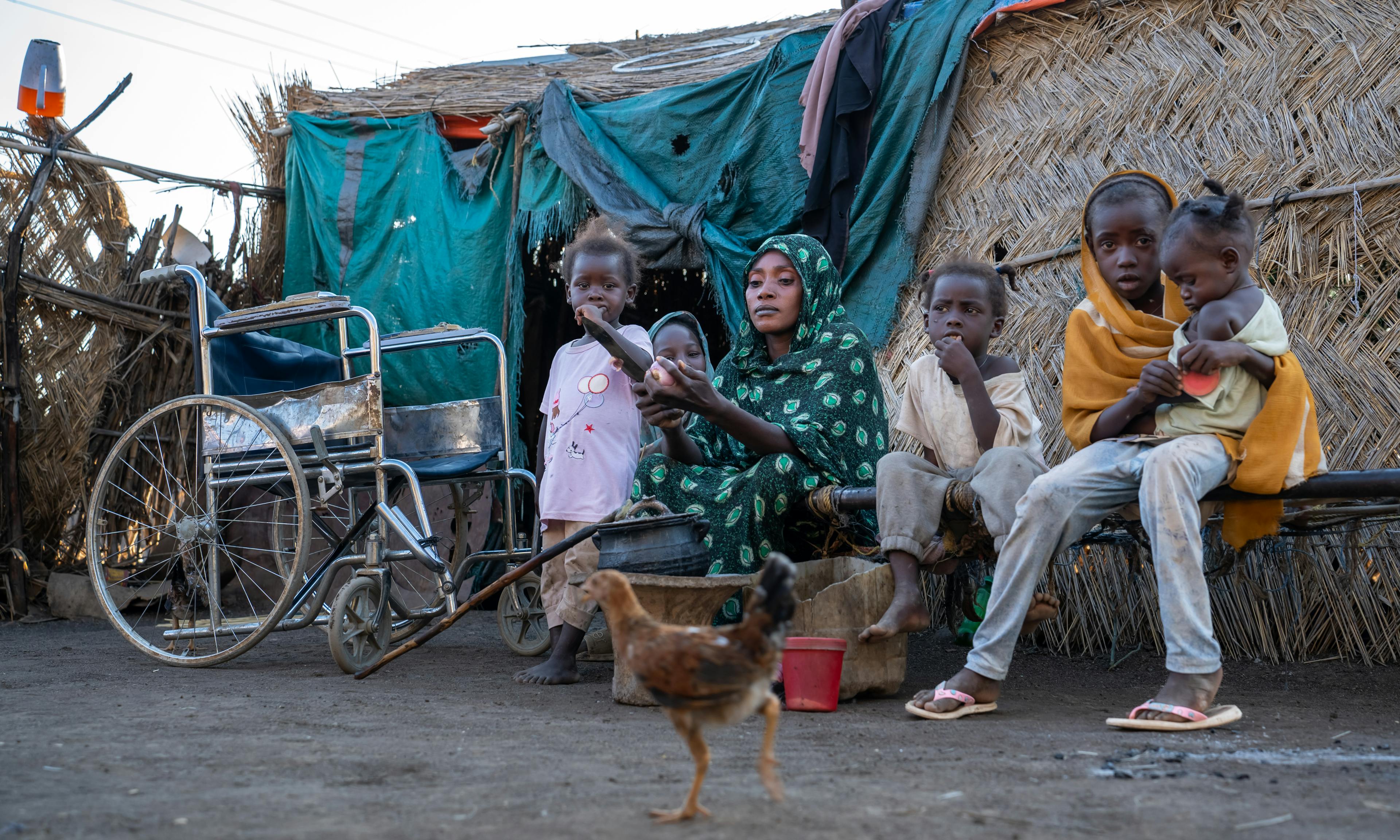
The nutritional situation of children in Niger has deteriorated considerably in the last year, according to the results of a new survey. 0 Comments
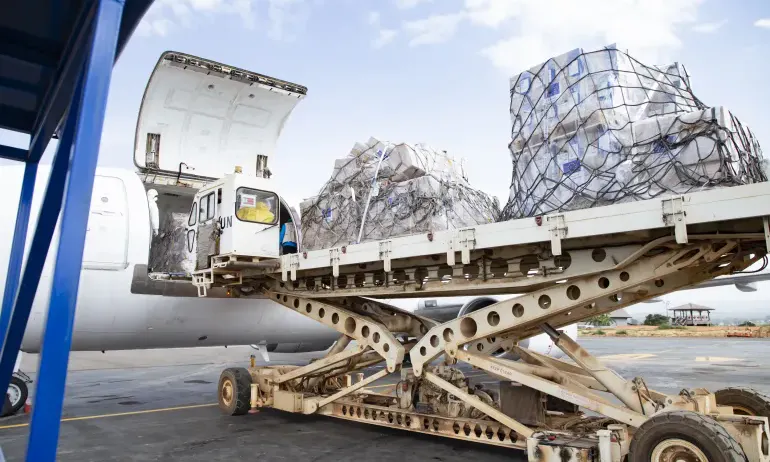
UNICEF and the World Food Programme are expanding their emergency operations in Niger. The focus will be on protecting children and pregnant and lactating women from malnutrition, as well as providing treatment to children suffering from acute, severe, and moderate malnutrition.
“The emergency threshold has been largely exceeded – the children are going through an extremely difficult time and we are very concerned,” says UNICEF Niger Director Guido Cornale.
“We have to reinforce immediately our interventions to limit diseases and losses of human life. An acceleration of preventive and curative actions for malnourished children is ongoing, donors’ support is crucial at this stage”.
The global acute malnutrition rate in Niger has reached 16.7 per cent for children under five, a level far above the 15 per cent warning threshold and the 2009 estimate of 12.3 per cent. In certain regions, such as Diffa and Maradi, the rates reach, respectively, 22.1 per cent and 19.7 per cent, against 17 per cent and 13.1 per cent in 2009. In addition, severe acute malnutrition, which highly increases mortality risks for children, rose from an average of 2.1 per cent to 3.2 per cent in 2010.
UNICEF and partners are expanding their interventions for children affected by life-threatening severe acute malnutrition. More than 107,000 children have been treated in the first five months of this year. More than 1,000 children are being registered daily in therapeutic centres since mid-May.
In addition, UNICEF will launch a large-scale communication campaign over the next weeks to promote exclusive maternal breast-feeding until six months of age.
Poor rainfall during the 2009 harvest in Niger have caused shortages in important cereals and animal feed. Food insecurity currently affects almost half of the population or more than 7 million people. In certain regions, more than two thirds of the inhabitants suffer from severe food insecurity.
Read more about Niger (external link)
How you can help
Donate to UNICEF NZ's General Fund or consider becoming a Global Parent