Amira's story
Click images to enlarge
By Iman Morooka
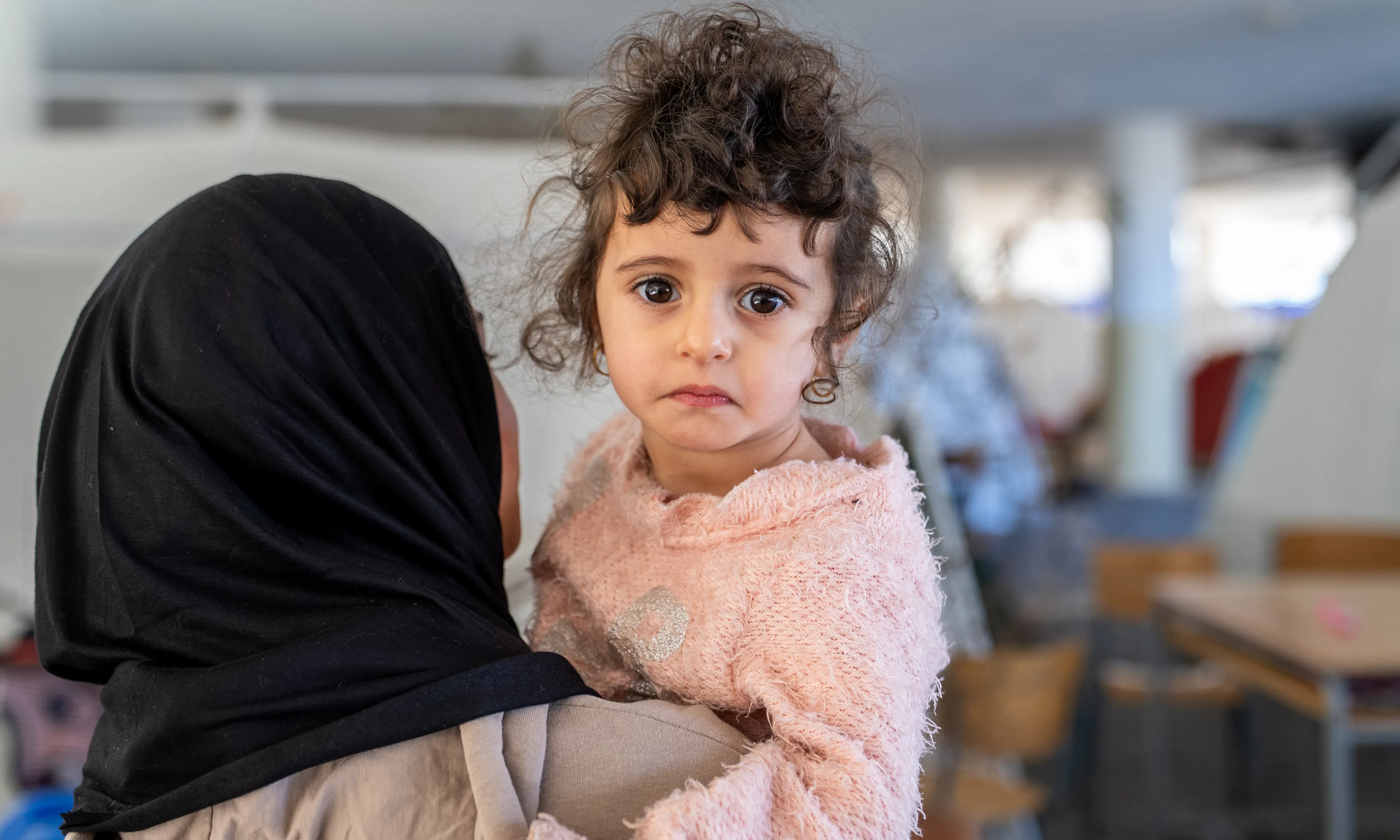
Amira no longer has to spend hours collecting water, so she can play and go to school like other children.
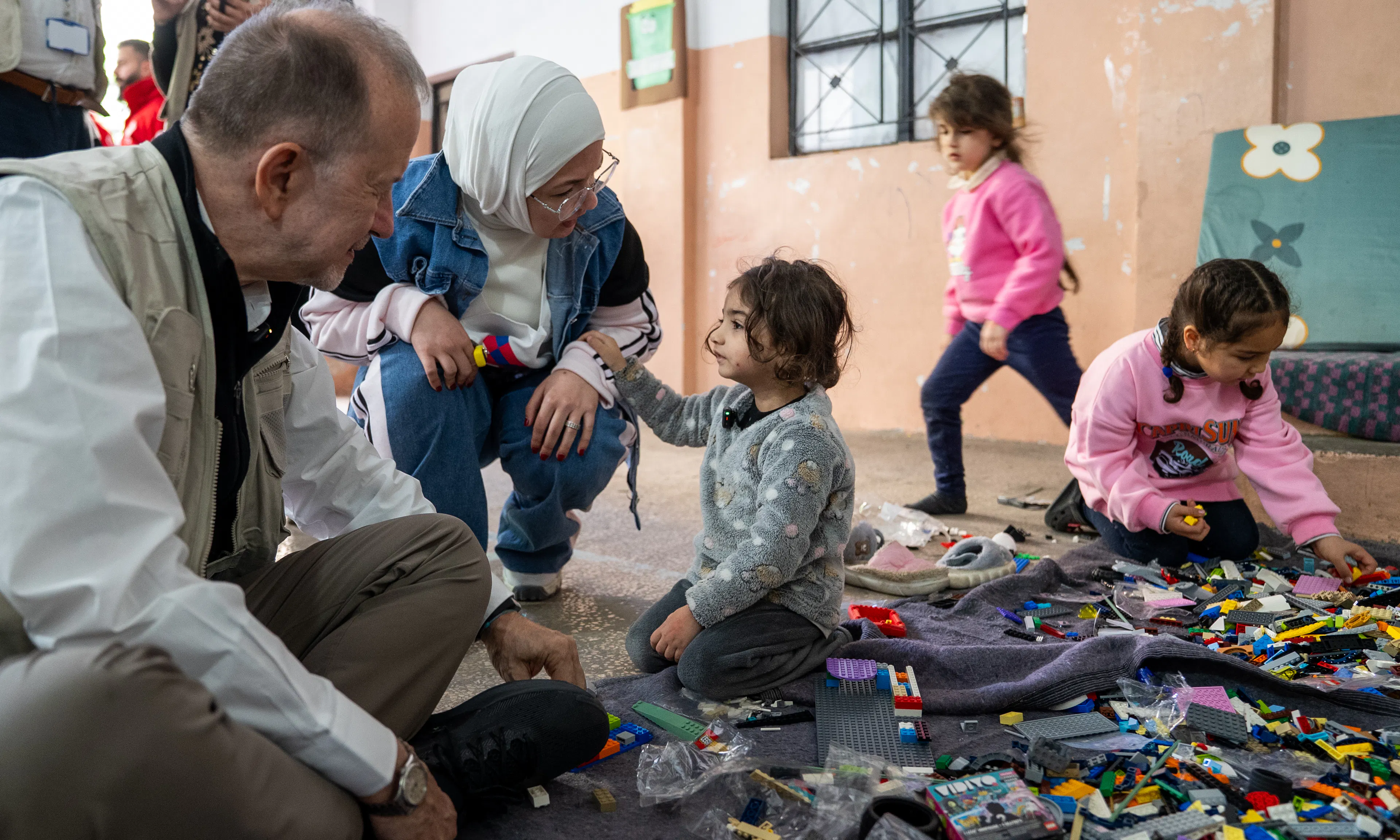
Now that UNICEF has built a water kiosk in her small village in Somaliland, Amira and friends have time to play and go to school.
Water has long been a scarce resource in Northern Somalia, where the majority of the population has to walk for many hours everyday just to fetch water for their households. Since collecting water has traditionally been the task of women and their daughters, most young girls have been kept from attending school on a regular basis.
Time to play and learn
But for seven year old Amira, who is lucky to have a water kiosk in her own village, going to school and fetching water are both part of a daily routine. “I come once a day to get water. When I have school, I go either before school, early in the morning, or in the afternoon,” she says.
Amira’s home is in Haraf Village, a few kilometers outside the capital city of Somaliland. The locals are fortunate enough to enjoy a reliable source of drinking water thanks to a pumping system run by solar energy. The initiative was implemented by UNICEF, in partnership with the National Ministry of Water and Mineral Resources and the local community.
For more than 20 years the village had depended on a hand-pump as a water source. Now Haraf is one of five villages that has benefited from the pilot project supported by UNICEF.
Community Involvement
Volunteers from the village clean the tank once a week, and make sure that taps are well maintained and water is not wasted.
Nafisa, a mother of six, goes to the water kiosk three times every day. “Now it is much easier for us to get water from the tap; it is cleaner and tastes much better than before because it comes from further deep. We still use the hand-pump water for the livestock and washing but the tap water we leave for drinking and cooking,” she says.
This pilot project is an example of how, with a small investment and strong commitment of the community leaders and members, a clean source of water can be made available for all.