Humanitarian Action Report 2010

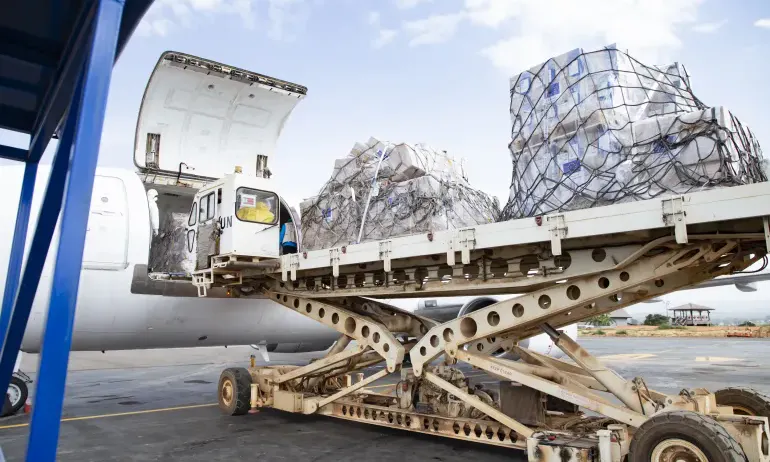
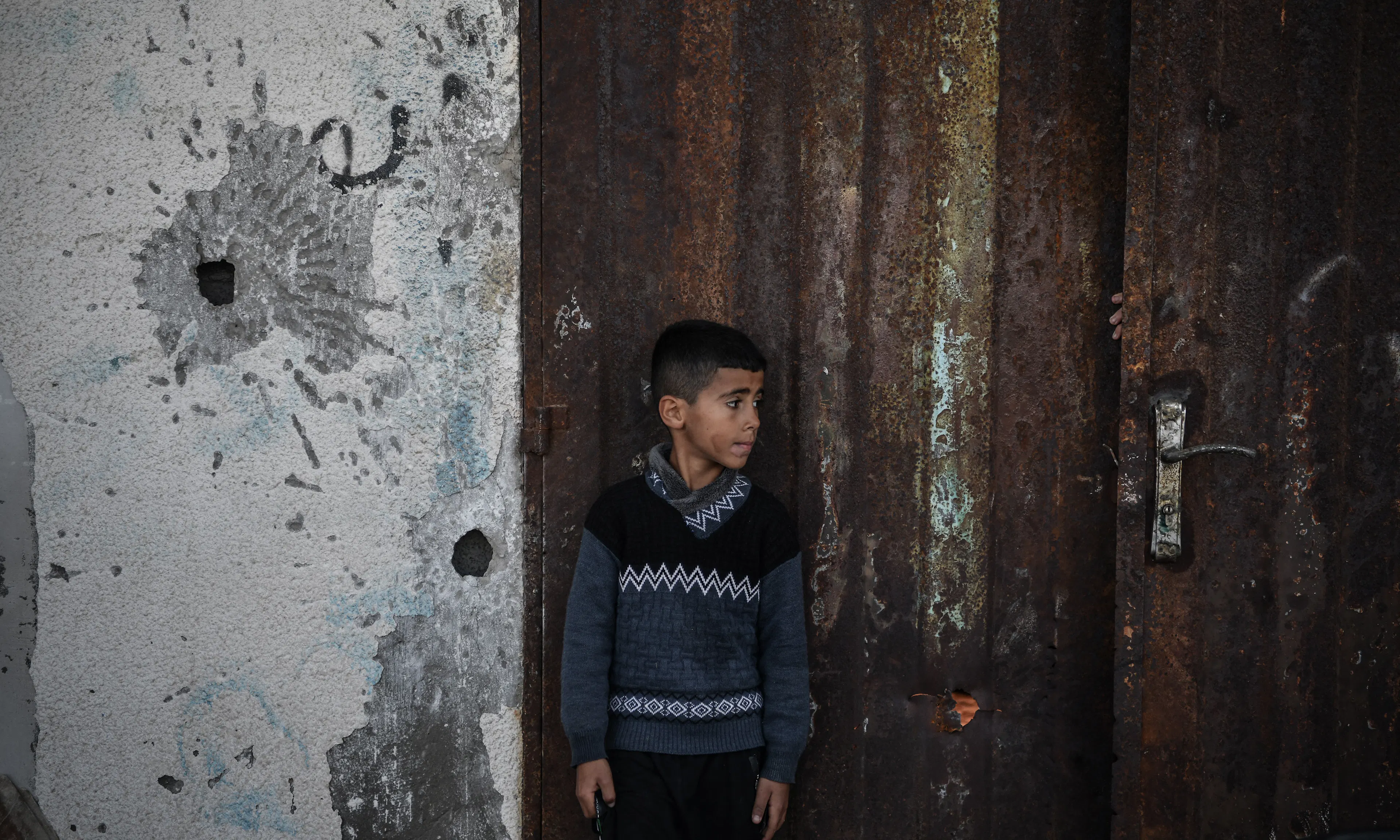
The Humanitarian Action Report provides an overview of UNICEF’s emergency assistance programmes in protracted emergencies and appeals for $1.6 billion to assist children and women in 28 countries. Currently, UNICEF responds to more than 200 emergencies each year. 

"This latest edition of UNICEF’s Humanitarian Action Report highlights 28 of the most pressing crises," says UNICEF's New York-based Executive Director, Ann M. Veneman. "It explains how UNICEF is partnering with others to save lives and rebuild families and communities. And it appeals for US$1.2 billion [NZD$1.6 billion] to allow this lifesaving work to continue in a predictable, timely, and effective manner."

Donate to UNICEF's emergency fund now using the form on the right.


View 2010 report (PDF)     View interactive report

View 2009 report (PDF)      View photo essay              

Funds raised are to allow UNICEF to save lives and rebuild families and communities in 28 countries and territories that have been identified as being in the most desperate need. The five countries needing the most support are Sudan, Democratic Republic of the Congo, Pakistan, Zimbabwe and Ethiopia.

In recent decades, the number and severity of natural disasters has increased significantly.   The emergencies included in the Humanitarian Action Report represent only a small fraction of UNICEF’s emergency response activities. Between 2005 and 2007, UNICEF responded to an annual average of 276 emergencies in 92 countries. Over 50 per cent were caused by disasters, 30 per cent were a result of conflict, and health-related emergencies, like epidemics, accounted for 19 per cent of UNICEF’s emergency response.

In 2009, the world celebrated the 20th anniversary of the Convention on the Rights of the Child, the most widely ratified human rights treaty in the world. The Convention affirms the fundamental rights of children everywhere, including in emergency settings. While significant progress has been achieved in realising children’s rights to survival, development, protection and participation in the past 20 years, much remains to be done.

The report identifies three global trends – climate change, global economic volatility and the changing nature of conflict – that are particularly affecting vulnerable children.

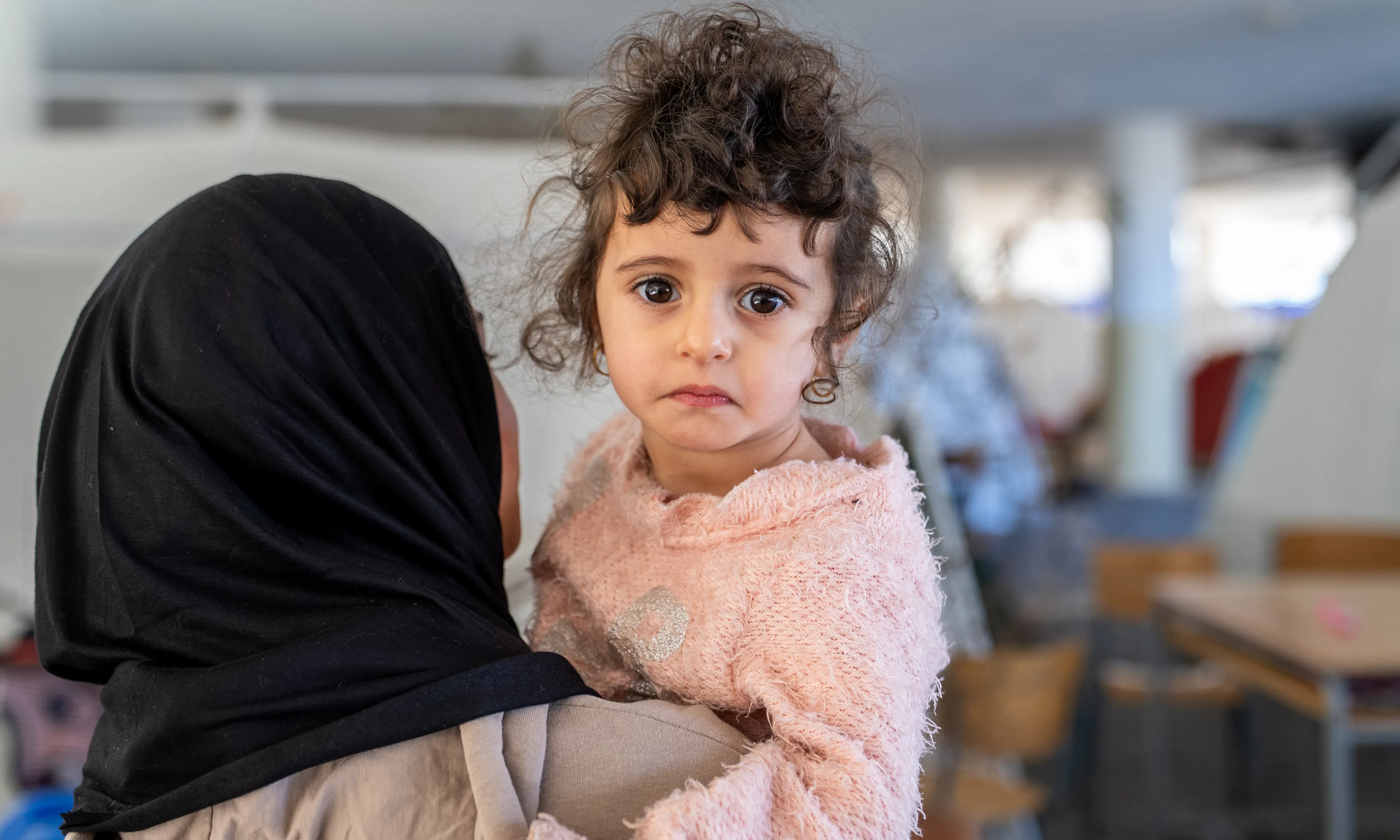
Some experts have estimated that in the next decade children and women will represent 65 per cent of all those affected by climate-related disasters. If these predictions prove correct, some 175 million victims of climate change will be children.

UNICEF is present in more than 150 countries and is often among the first responders to crises.  

"Only by working together can we effectively deliver on our mission to promote and protect children’s rights, help meet their basic needs and to keep them safe from harm," says UNICEF NZ Executive Director, Dennis McKinlay.

As the world’s leading emergency response agency for children, UNICEF is on the ground before, during and after disaster strikes.

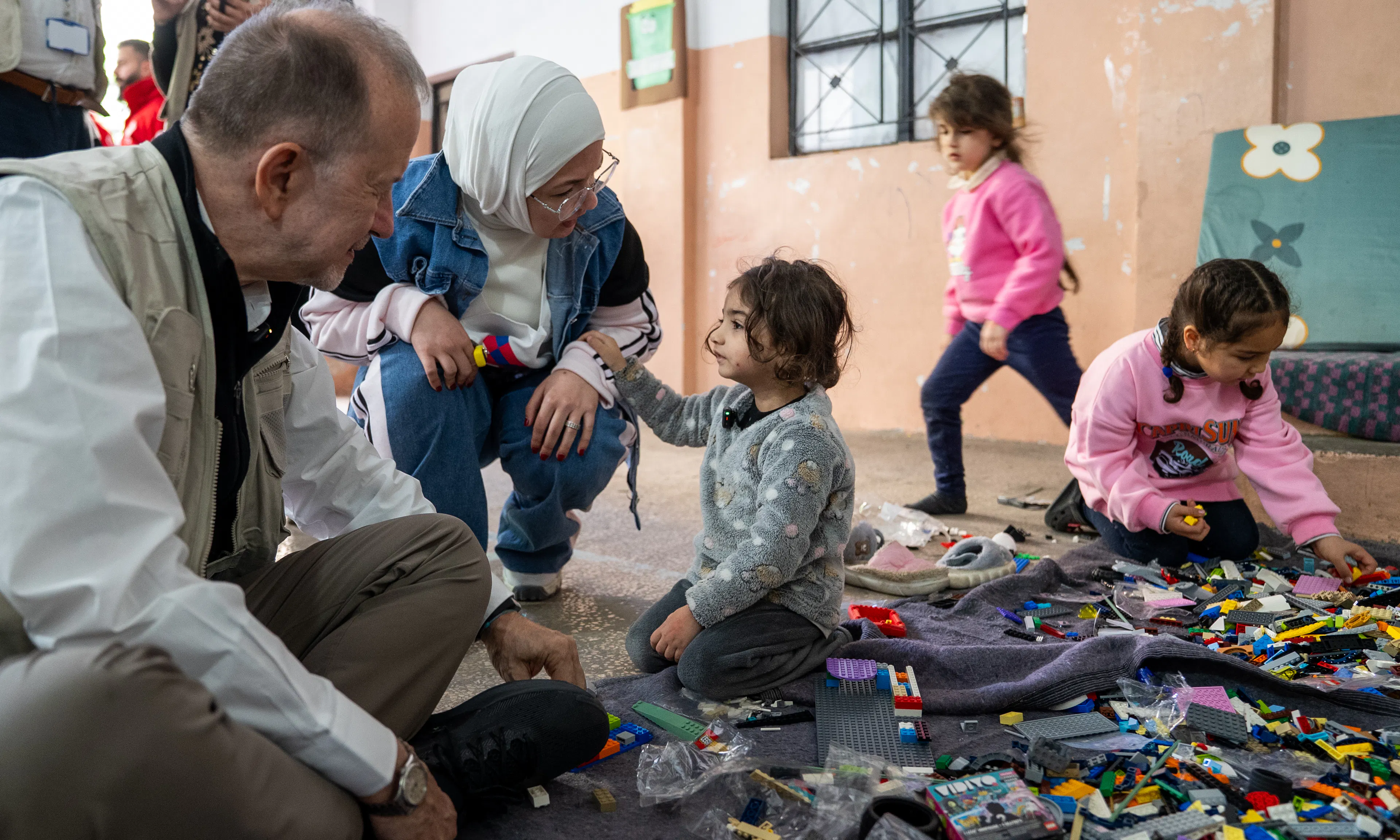
“UNICEF not only provides essential resources and aid relief during an emergency, but we also help to build back better once the immediate needs of children and their families have been met," says Mr McKinlay. “Our emergency aid turns into long-term recovery and development, such as re-building schools and health care services, providing permanent safe water supplies and sanitation facilities, and providing long-term care and support for orphans.”

Donate to UNICEF's emergency fund now using the form on the right.